Trying to choose between a Baltimore rowhouse and a townhouse? You are not alone. Both options offer city living with character, but the details around age, ownership, maintenance, and permits can shape your day-to-day life and budget. In this guide, you will learn the key differences, what to watch for in inspections, how historic rules and zoning affect your plans, and which style fits your lifestyle best. Let’s dive in.
Rowhouse vs. townhouse in Baltimore
What locals mean by each
In Baltimore, a rowhouse is an attached single-family home that shares side walls with neighbors in a continuous row. These homes often sit right at the sidewalk and tend to be older masonry buildings. A townhouse is a broad term that often refers to newer attached homes or modern infill that may include small yards, garages, and sometimes an HOA. In practice, the terms overlap, so focus on the property’s age, layout, and ownership structure rather than the label.
Typical features and materials
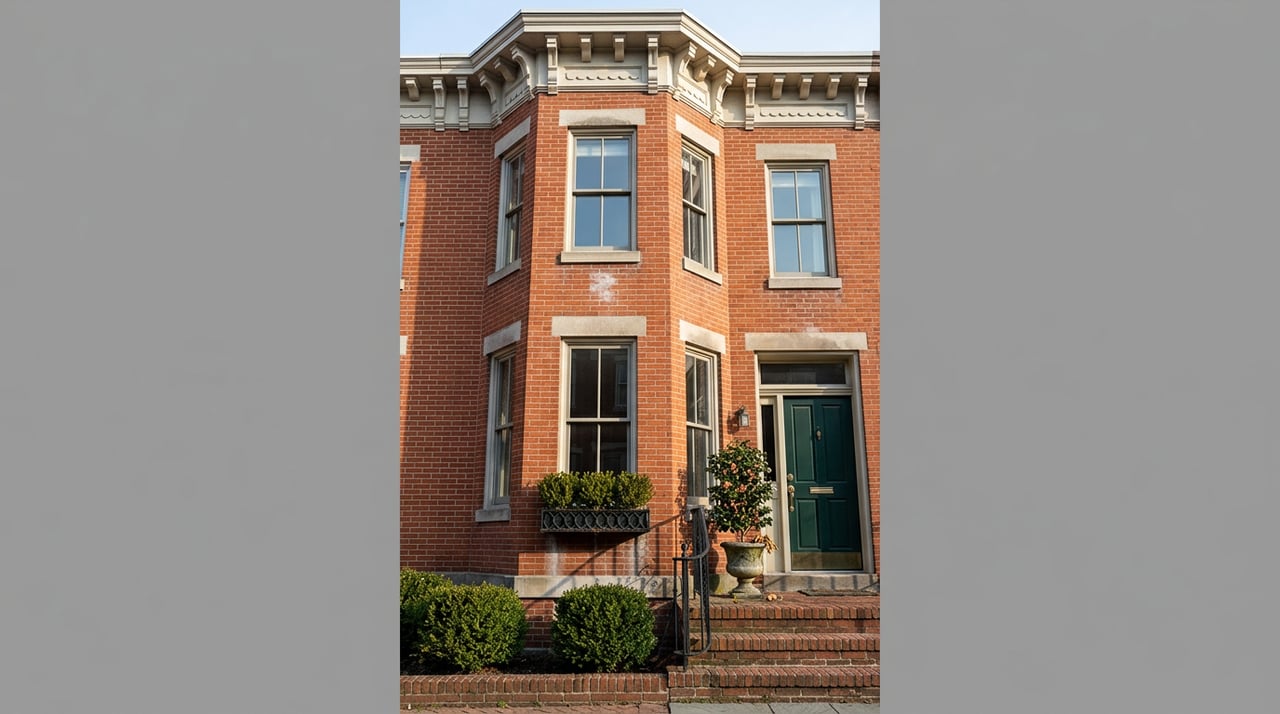
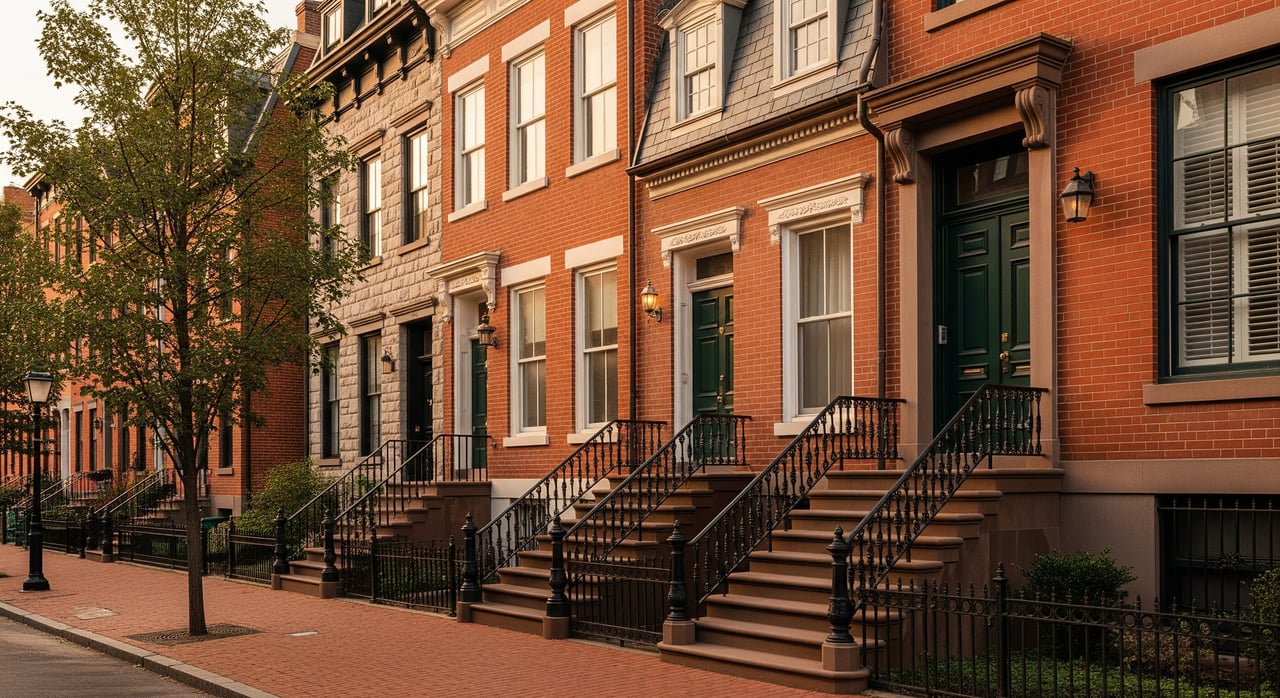
Historic Baltimore rowhouses are usually two to four stories with narrow street fronts, basements or cellars, and stoops or steps. You will see brick facades, stone lintels, bay windows, and sometimes Formstone, which is a mid-20th-century veneer made to look like stone. Roofs may be slate or asphalt, and many homes have masonry chimneys. Rear alleys are common and can provide access for parking or yard space.
Interior layouts and design potential
Older rowhouses were built on narrow footprints with stacked rooms and smaller kitchens. Many have been opened up in recent renovations, but original bearing walls and floor spans still guide what is practical for layout changes. When you plan an open concept, consider load-bearing walls and shared party walls, since structural changes require careful engineering and often coordination with neighbors. With thoughtful design, you can preserve historic character while improving flow and light.
Newer townhouses and planned developments
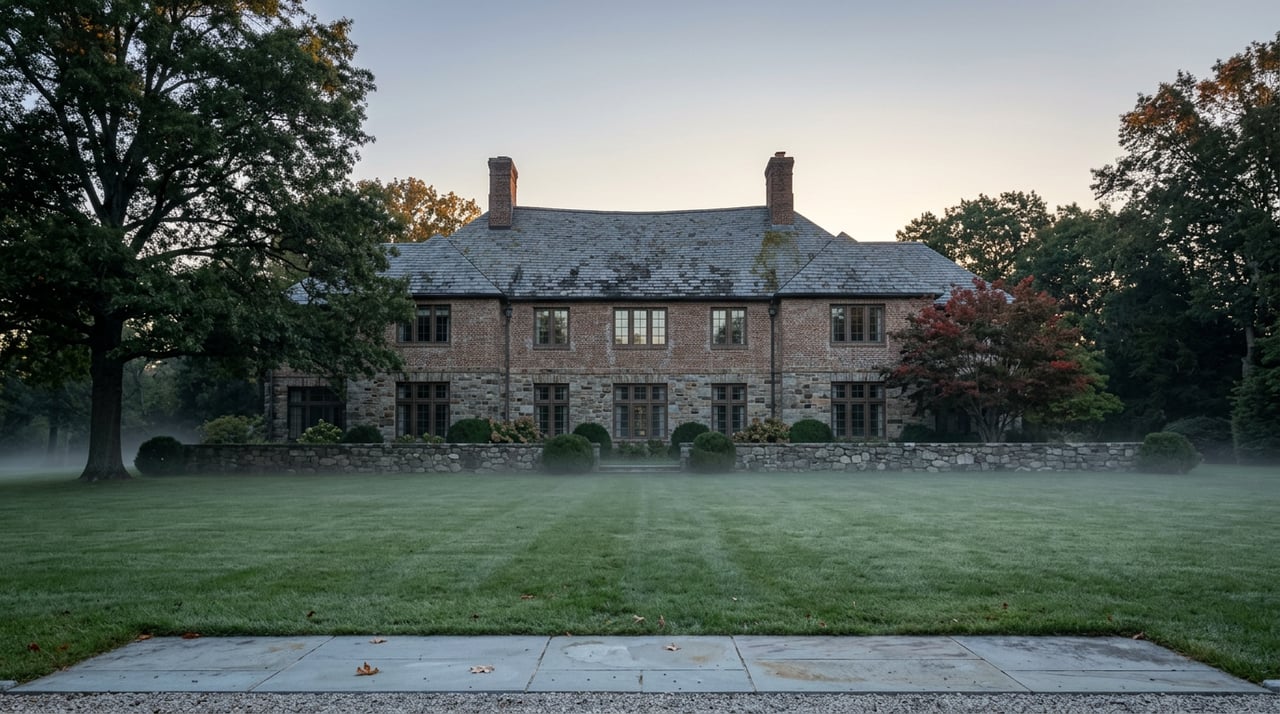
Newer Baltimore townhouses often offer wider footprints, contemporary floor plans, and sometimes attached garages or gated rear parking. Some developments include private drives, courtyards, or shared amenities under an HOA. HOA oversight can simplify exterior maintenance for common areas and set standards that protect the look and function of the community.
Historic districts and permits
CHAP review for exterior work
Many rowhouse neighborhoods fall within local or national historic districts. If a home is in a designated local district, exterior changes visible from the street, such as windows, doors, façade materials, or stoops, generally require review and approval by the local preservation commission. Plan ahead before removing Formstone, replacing windows, or changing a façade so your design meets local guidelines.
Tax credits and rehabilitation standards
Homes that are listed on state or national registers, or located in qualifying districts, may be eligible for historic rehabilitation tax credits. To qualify, work typically needs to follow the Secretary of the Interior’s Standards for Rehabilitation. This can be a strong financial offset if you plan substantial restoration, especially on income-producing properties.
Zoning basics, decks, and additions
Baltimore City zoning regulates use, additions, rooftop decks, and lot coverage. Rules vary by neighborhood and parcel. If you hope to build a rooftop deck, finish a basement unit, or add a rear extension, check the property’s zoning, setbacks, and any historic status. Alley access and easements matter when you plan rear additions or parking improvements.
Ownership types and HOAs
Traditional rowhouses are often fee simple, which means you own the land and the building. Shared party wall responsibilities can be set by deed, agreements, or local norms. Some newer townhouse communities use condominium or HOA structures, where the association may maintain roofs, exteriors, or shared drives. HOA fees and covenants can affect monthly costs and your decision-making on upgrades.
Lead paint and rental rules
Since most Baltimore rowhouses predate 1978, assume there may be lead-based paint. Renovations that disturb painted surfaces must follow lead-safe work practices. If you plan to rent, Baltimore and Maryland have lead hazard prevention and disclosure requirements, including testing and certificates. Build this into your timeline and budget before starting any project.
Inspection priorities for city homes
Structure and envelope
Older foundations are often brick or stone. Look for mortar deterioration, bowed walls, moisture intrusion, and efflorescence. Brick exteriors commonly need tuckpointing (replacing mortar in joints), and using the wrong mortar mix can damage historic brick. Roofs and chimneys need regular attention, including flashing, caps, and drainage, especially if you have flat or mansard roof elements.
Systems and utilities
Plumbing may include galvanized or other older lines that need replacement. Electrical systems in older homes can be outdated, with limited amperage panels or older wiring that does not meet modern expectations. Many rowhouses have minimal insulation and single-pane windows, which can increase heating and cooling costs. Heating systems may include steam or hot-water radiators that need maintenance or replacement planning.
Moisture and environmental checks
Moisture is a common thread in older masonry homes. Watch for roof leaks, basement seepage, and mold or wood rot where water collects. Pest inspections are smart in urban settings. If you will use a basement, consider a radon test. Ask about sewer laterals and plan for a camera inspection if there are signs of past backups.
Your inspection game plan
- Hire a home inspector experienced with Baltimore rowhouses and local building practices.
- Add specialty inspections as needed: structural engineer, historic masonry, chimney, HVAC or boiler, pest, and sewer camera.
- For pre-1978 homes, order a lead-based paint inspection or risk assessment, especially if children will live in the home.
- Use the reports to scope repair costs for electrical, plumbing, roof, foundation, and moisture management.
Lifestyle and cost tradeoffs
Walkability, outdoor space, and parking
Rowhouse blocks often offer strong walkability and quick access to restaurants and services. Outdoor space is usually modest, with small rear yards or patios. Off-street parking can be limited and may depend on alley access or permits. Consider how many vehicles you own and how you plan to use outdoor space before you buy.
Noise and neighbor proximity
With shared walls and narrow lots, sound and privacy expectations differ from detached homes. Walk the block at different times of day and consider how daily rhythms align with your lifestyle. Simple sound management steps and expectation setting go a long way in attached living.
Market patterns and financing
Prices vary widely by neighborhood, condition, and proximity to employment centers. Renovated historic rowhouses tend to command a premium, while as-is properties may require significant rehab budgets. Older homes with deferred maintenance can raise lender-required repairs or appraisal issues, which makes upfront planning and documentation important for FHA, VA, or conventional loans.
Taxes, insurance, and city programs
Baltimore City property tax rates differ from nearby counties, so include the annual tax bill in your monthly budget. Insurance can be higher for older systems or homes in mapped flood areas, and lenders may ask for updates to electrical or heating systems. City rehabilitation initiatives and possible historic tax credits can help offset qualified work on eligible properties.
Decision guide: which is right for you
Choose a traditional rowhouse if you value historic character, a central urban fabric, and you are comfortable maintaining older building systems. Expect ongoing investment in masonry, roofs, windows, and mechanicals. Choose a newer townhouse or a recently renovated rowhouse if you want modern layouts, potential for a garage or gated parking, and possibly HOA-supported exterior care. If you prefer predictable maintenance in the first few years, factor that into your choice and budget.
Pre-offer due diligence checklist
- Pull property records and any code-violation history from city databases.
- Confirm historic-district status and any exterior review requirements.
- Ask the seller for permits on past work, inspection reports, party wall language, and any alley easements.
- Verify responsibility for the sewer lateral and alley maintenance, and request past repair documentation if available.
Smart contingencies to include
- Standard home inspection plus contractor bids for tuckpointing, roof, HVAC, electrical, and plumbing upgrades.
- Lead paint testing or reliance on seller disclosures for pre-1978 homes, and a contingency for safe work practices if you plan renovations.
- Sewer lateral camera inspection and a radon test if you will use the basement.
- Appraisal contingency that accounts for unique historic features and non-standard floor plans.
Maintenance timeline for city homes
- Immediate or high priority: active roof leaks, major foundation movement, unsafe electrical, active mold or moisture, or failing structural supports.
- Medium term: repointing masonry, chimney repairs, repiping galvanized plumbing, and replacing inefficient HVAC.
- Long term: window upgrades for energy performance, added insulation, and façade restoration aligned with any historic guidelines.
Work with a local advisor
Choosing between a rowhouse and a townhouse in Baltimore is about fit, budget, and the plan for future projects. When you balance historic charm with maintenance needs and align your goals with zoning and preservation rules, you set yourself up for a smooth purchase and a home that works for you. If you want clear guidance on neighborhoods, property types, and the inspection path that protects your investment, connect with the team that blends market expertise with design-forward advice. Schedule your consult with Alisa Goldsmith Properties.
FAQs
In Baltimore City, what is the difference between a rowhouse and a townhouse?
- A rowhouse is typically an older attached masonry home in a continuous row, while a townhouse often refers to newer attached units that may include modern layouts, garages, and sometimes an HOA.
Can you add a rooftop deck or rear addition to a Baltimore rowhouse?
- Possibly, but your plans depend on zoning, lot coverage, and whether the home sits in a historic district where exterior changes require review and permits.
How do historic districts affect exterior changes on Baltimore homes?
- Local preservation rules commonly require approval for street-visible changes like windows, doors, façades, and stoops, so confirm district status and review steps before work.
What inspections are most important for older Baltimore rowhouses?
- Focus on structure and masonry, roof and chimneys, electrical and plumbing updates, moisture and drainage, lead paint for pre-1978 homes, and consider a sewer camera.
Who maintains shared party walls between attached Baltimore homes?
- Maintenance is typically guided by deeds or agreements; fee-simple owners usually care for their side, but shared repairs often require neighbor coordination.
Are there incentives for restoring historic Baltimore rowhouses?
- Yes, qualifying properties may access historic rehabilitation tax credits when work follows required standards, which can offset part of the restoration cost.