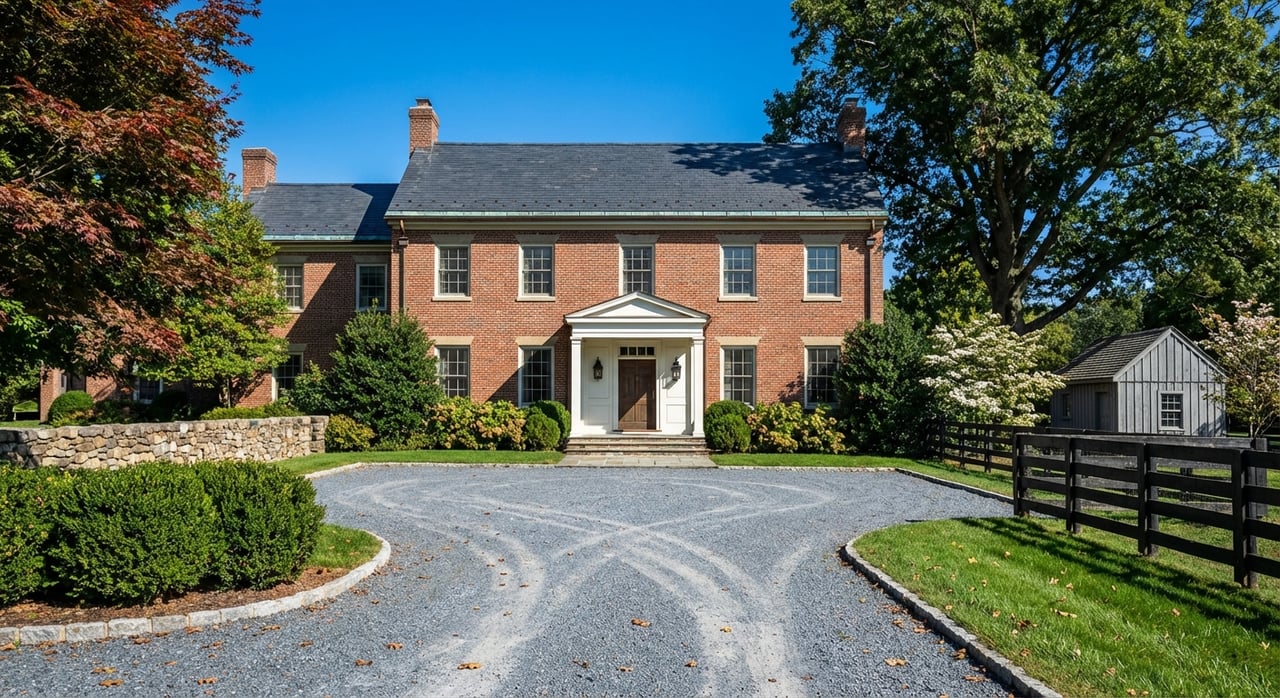
Looking for true countryside privacy without giving up access to Baltimore’s best amenities? If you picture a long tree-lined drive, broad lawns, and room for horses or a pool, Green Spring Valley in Baltimore County may fit your vision. You want clarity on lifestyle, clubs, riding programs, parks, and the practical details that come with owning acreage. This guide gives you an honest, design-minded overview so you can plan with confidence. Let’s dive in.
What and where it is
Green Spring Valley is a broad, park-like landscape in northern Baltimore County, centered around Stevenson, Lutherville-Timonium, and Owings Mills. It is distinct from the small Baltimore City neighborhood sometimes called “Greenspring.” When you hear estate or hunt-country living, the reference is typically this county valley.
Much of the area lies within the Green Spring Valley Historic District, added to the National Register in 1980. The district includes centuries-old homes and landscapes that shape the valley’s character. You can learn more about the setting from the National Register overview of the Green Spring Valley Historic District.
Preservation has been intentional here. Local organizations support conservation easements and scenic-corridor protections that keep farmland open and lanes picturesque. The Valleys Planning Council is a good source for understanding why the valley still feels rural minutes from major suburbs.
Estate homes and architecture
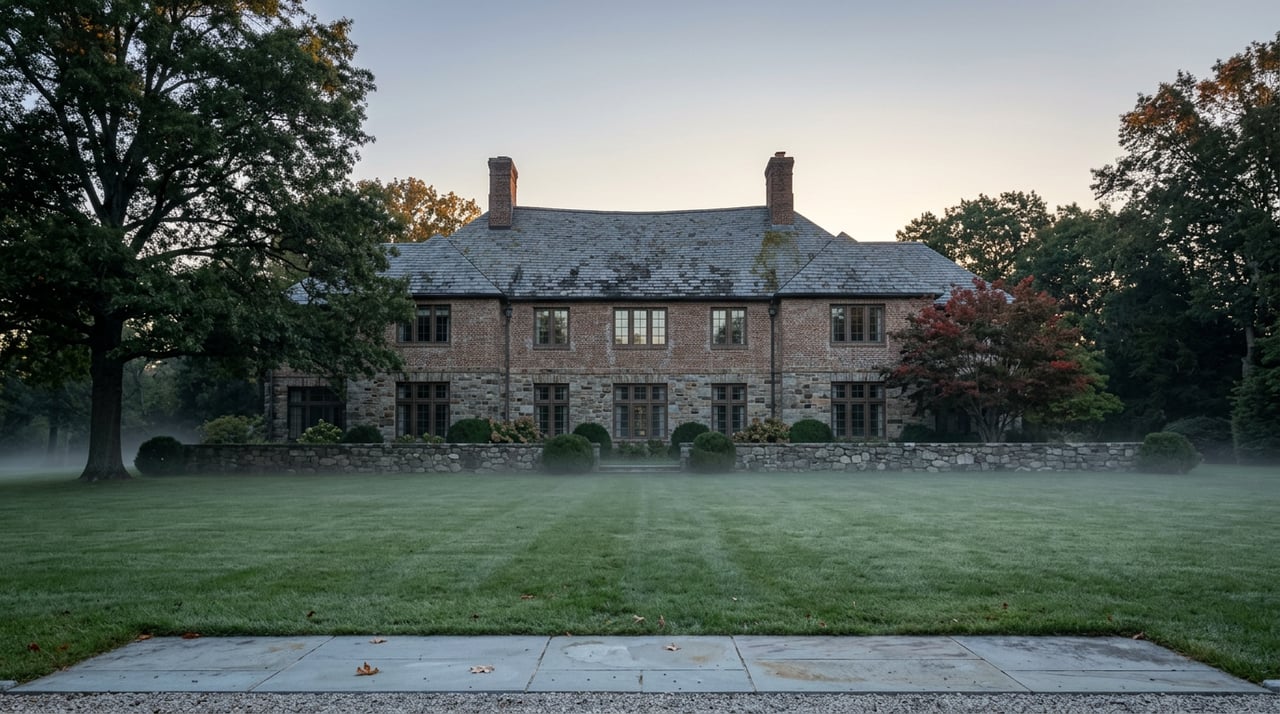
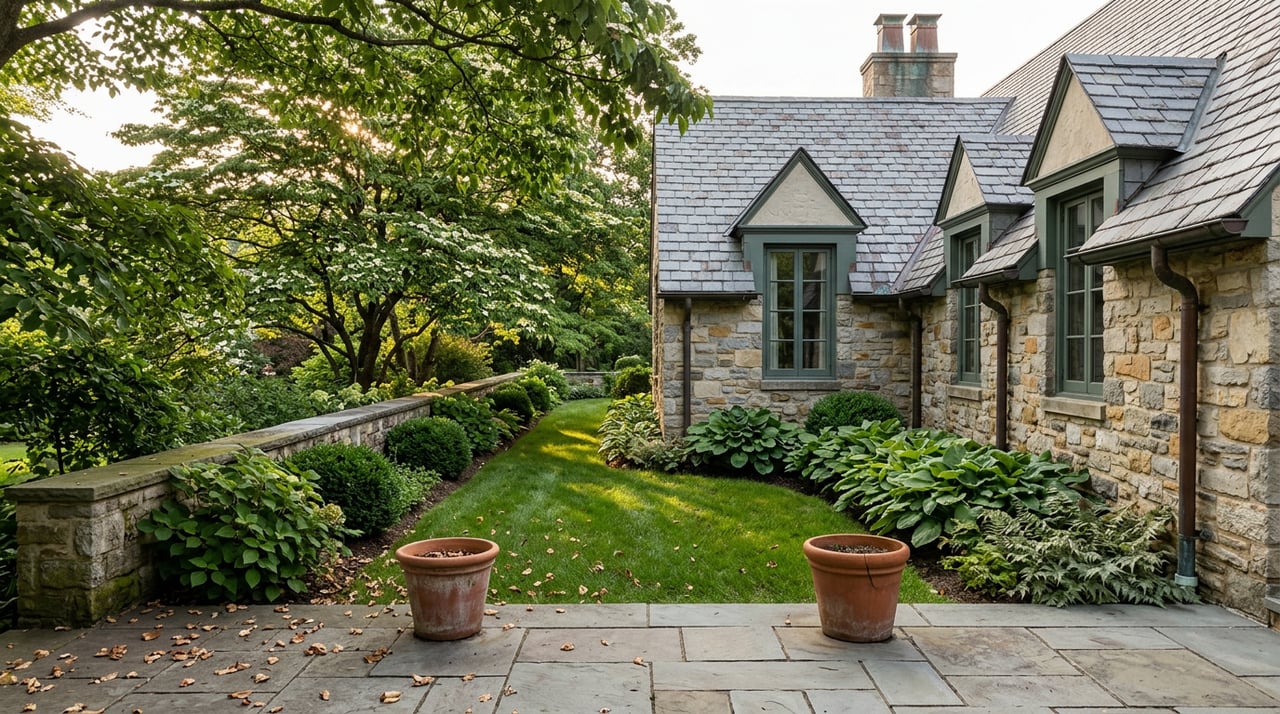
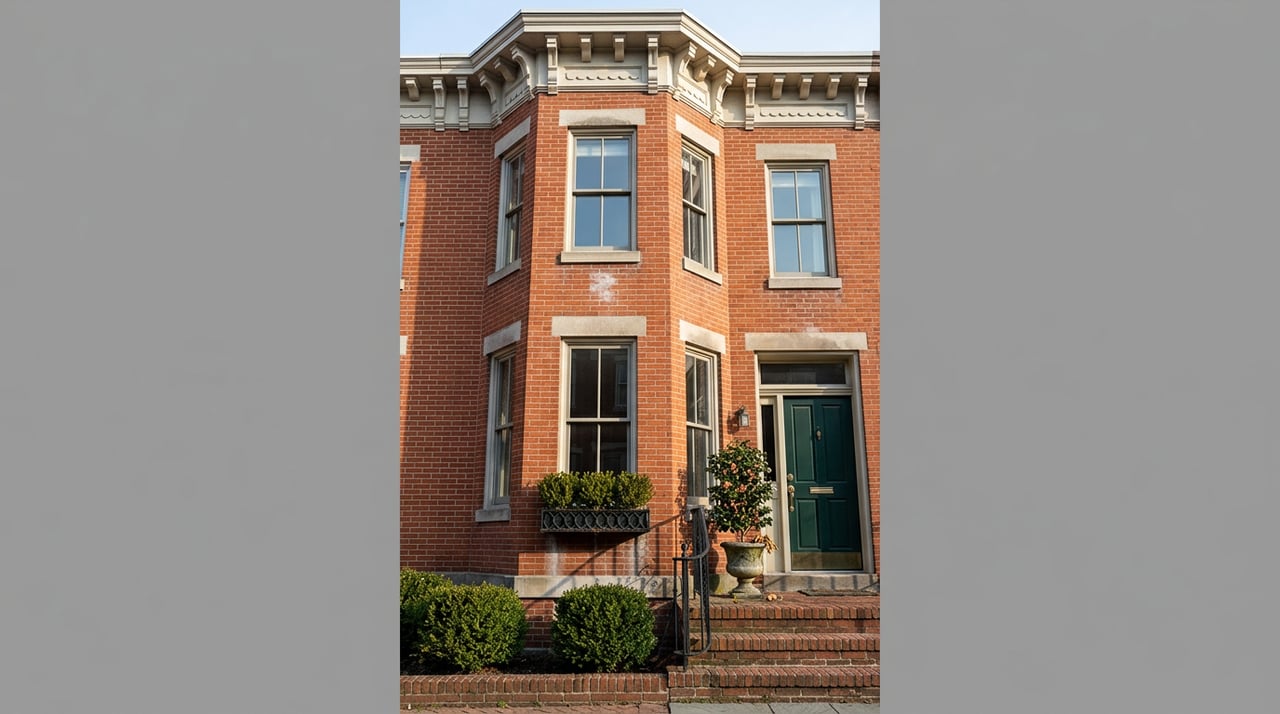
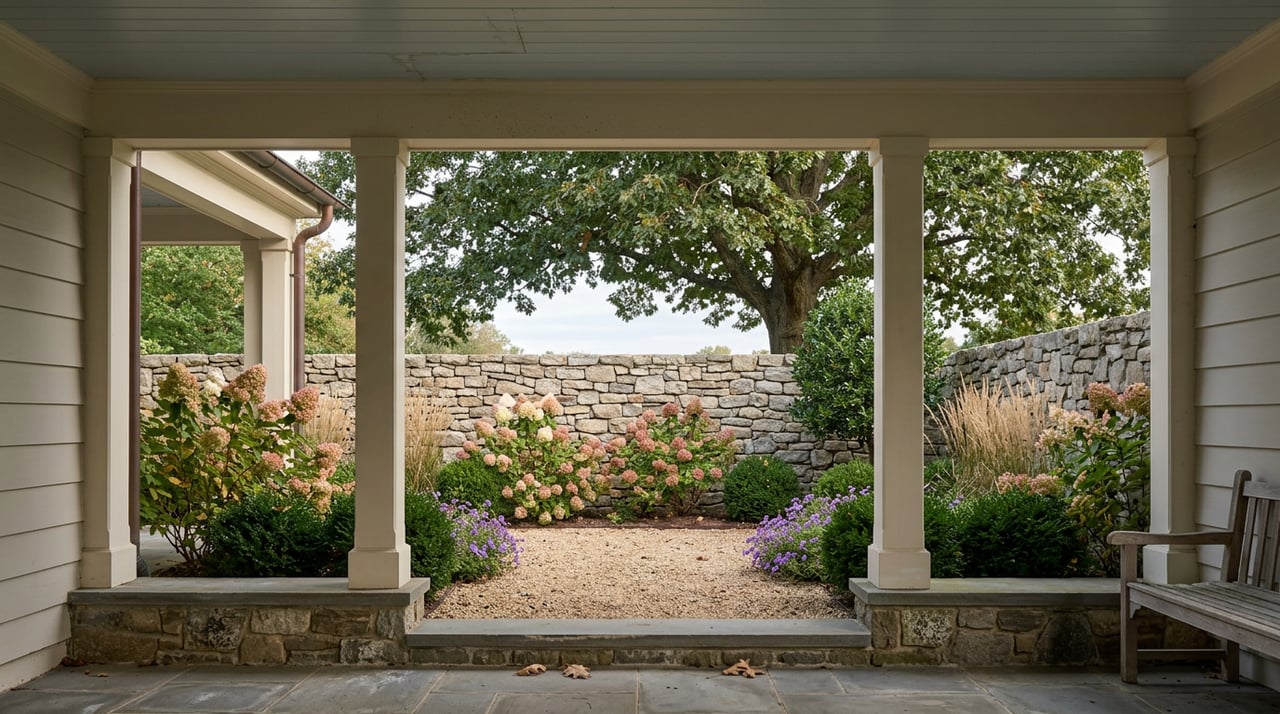
Estate properties in the valley range from historic farmhouses and 19th- to early-20th-century country houses to modern residences tailored for contemporary living. Typical features include long private drives, mature specimen trees, stone walls, ponds, pools, tennis courts, and secondary buildings like barns or carriage houses. Architectural styles you’ll see include Colonial and Georgian, Victorian, Tudor, and early-20th-century revival homes, often set within park-like grounds.
Many properties sit on multiple acres, with listings that often cite 2 to 20 or more. Pricing spans a wide luxury band and can reach seven figures, depending on acreage, condition, charm elements, and amenities. If you are evaluating value, ask for recent nearby estate comps, not just broader ZIP-level data.
What to look for in an estate
- Approach and setting: gate details, lane length, mature trees, and views.
- Grounds and water: drainage, ponds or streams, pool age and systems.
- Outbuildings: barns, carriage houses, garages, and workshop spaces.
- Hardscape: walls, terraces, tennis courts, and drive surfaces.
- Mechanical systems: roof age, HVAC zones, well/septic details, and generators.
Equestrian life and foxhunting
For riders and spectators, equestrian culture is part of daily life. The Green Spring Valley Hunt Club anchors the area’s traditional foxhunting and social calendar. The hunt community sustains local trainers, farriers, and barns, and creates an active network of equestrian neighbors.
Nearby independent schools also support riding. St. Timothy’s School offers an established program with boarding options for school riders; explore the program details on the St. Timothy’s equestrian page. Garrison Forest School runs riding and polo programs that connect students with training and competition; see the Garrison Forest riding program. These programs enhance the valley’s riding infrastructure and provide convenient options close to home.
Across the region, historic steeplechase traditions and point-to-point meets contribute to the local social rhythm. If you are new to the area, ask your agent for the current season’s event dates and viewing tips.
If you ride: quick checklist
- Barn capacity and layout: stalls, tack room, wash stall, and hay storage.
- Arena footing and drainage: base depth, top mix, grading, and maintenance plan.
- Turnout and fencing: safe, well-drained paddocks and reliable water supply.
- Access and logistics: trailer parking, farrier/vet access, and manure management.
Clubs, golf, and social options
Private clubs add another layer to valley living. Caves Valley Golf Club is a nationally regarded Tom Fazio design; see the course profile to understand its setting and prestige at the Caves Valley Golf Club overview. The Green Spring Valley Hunt Club also offers golf, tennis, and a pool for members in addition to its equestrian focus.
Membership details, fees, and waitlists vary and change. Contact each club directly to confirm availability and guest policies before you plan around specific amenities.
Parks, trails, and outdoor access
If you value nature, you have options. Cromwell Valley Park offers hiking, nature programs, and views across a historic farm landscape; browse programs and trail info at Cromwell Valley Park. Nearby, Loch Raven Reservoir, sections of Gunpowder Falls State Park, and regional trail systems give you miles of walking and biking.
For everyday convenience, retail and dining in Towson and Hunt Valley are within easy reach. Local destinations like Stevenson Village, plus historic venues and farm-focused events, add small-town texture to weekends without long drives.
Access, transit, and services
Green Spring Valley balances privacy with proximity. Typical weekday drive times to Towson or downtown Baltimore often fall in the 15 to 35 minute range, depending on your exact address and traffic. Always test your route at your usual commute time to confirm.
For car-free trips, the Light RailLink connects from stations in Timonium and Lutherville. The Maryland Transit Administration’s overview of seasonal and event service is a helpful starting point; see the MTA Light RailLink article. Major health systems operate outpatient centers in the Lutherville area, and larger hospitals are accessible via I-695 and I-83.
Practical buyer considerations
Purchasing acreage in Green Spring Valley involves a few extra due-diligence steps. The payoff is privacy and landscape quality, but you should plan ahead for easements, utilities, and maintenance.
Zoning, easements, and preservation
Many parcels sit within agricultural-preservation zoning or hold conservation easements that limit subdivision and protect scenic character. Ask your agent and attorney to review recorded easements and county zoning before assuming future development rights. Baltimore County’s GIS tool is a helpful first stop for parcel details and water/sewer status; start with the Baltimore County My Neighborhood map. For preservation context and scenic-corridor policies, the Valleys Planning Council provides background on local land stewardship.
Wells, septic, and utilities
Some estates rely on private wells and septic systems rather than public utilities. Verify well yield and water quality, septic capacity and permitting history, and any county requirements for inspections or upgrades. If a listing references “well” and “septic,” build in time and budget for thorough testing.
Equestrian operating costs
If your property includes a barn or you plan to keep horses at home, annual costs can be significant. Feed, bedding, farrier and veterinary care, arena grooming, fencing, and labor add up quickly. For a sense of common line items and ranges, review this owner-focused summary on horse ownership costs. Use it as a framework, then get quotes from local vendors for accurate numbers.
Taxes and holding costs
Baltimore County’s effective property-tax rates track near the statewide county average. Your annual tax bill depends on the county’s assessed value and current millage, which can change. Ask your agent to request the current assessment and estimate taxes and insurance so you can model total holding costs.
Maintenance and caretaking
Large estates need regular care. Plan for groundskeeping, tree work, pond maintenance, pool service, roof and masonry upkeep, and periodic driveway resurfacing. If your property includes outbuildings, budget for barn and fencing repairs and equipment replacement. Many owners hire ongoing contractor support or a part-time caretaker to keep everything running smoothly.
A day in the valley
Morning starts on the back terrace with coffee and a wide view across the lawn. If you ride, you might school in the arena or head out for a hack before work. Midday, a meeting runs long, but the return drive is easy and you are home in time to meet a contractor about a new garden wall. Weekend plans might include a walk at Cromwell Valley Park, a club round of golf, or a visit to a nearby village market, followed by sunset over the trees.
How we help you buy or sell here
Estate properties in Green Spring Valley benefit from a blend of market insight, design fluency, and polished presentation. As a boutique practice connected to Christie’s luxury networks, we pair white-glove service with staging and design-forward marketing that highlights architecture, grounds, and lifestyle. For buyers, we organize private tours, coordinate vendor due diligence, and guide you through zoning, easements, utilities, and club or school research. For sellers, we refine the presentation, direct strategic improvements, and distribute your listing through premium channels to reach qualified audiences.
If you are exploring Green Spring Valley, let’s talk about timing, availability, and your goals. Connect with Alisa Goldsmith Properties to schedule a free consultation.
FAQs
What is Green Spring Valley in Baltimore County?
- It is a historic, estate-focused area north of Baltimore with rolling farmland, large properties, and a preserved landscape; much of it sits within the Green Spring Valley Historic District.
How is Green Spring Valley different from “Greenspring” in the city?
- The city neighborhood called “Greenspring” is separate and smaller; estate living typically refers to the county’s Green Spring Valley around Stevenson, Lutherville-Timonium, and Owings Mills.
What types of homes are common in Green Spring Valley?
- You’ll see historic farmhouses and country houses alongside modern estates, often on multi-acre lots with features like long drives, mature trees, pools, barns, and carriage houses.
Are there nearby riding programs and foxhunting?
- Yes. The Green Spring Valley Hunt Club anchors local foxhunting, and schools like St. Timothy’s and Garrison Forest offer established riding programs.
What should I know about zoning and conservation easements?
- Many parcels have agricultural-preservation zoning and recorded easements that limit subdivision; review parcel details on the Baltimore County My Neighborhood map and consult your agent and attorney.
Is public transit available near Green Spring Valley?
- The Light RailLink serves nearby Timonium and Lutherville stations and connects to downtown and events; see the MTA overview for route and service details.
What added costs come with owning a horse property?
- Expect ongoing expenses for feed, farrier and vet care, bedding, arena maintenance, fencing, and labor; use this horse cost guide as a planning framework and get local quotes.