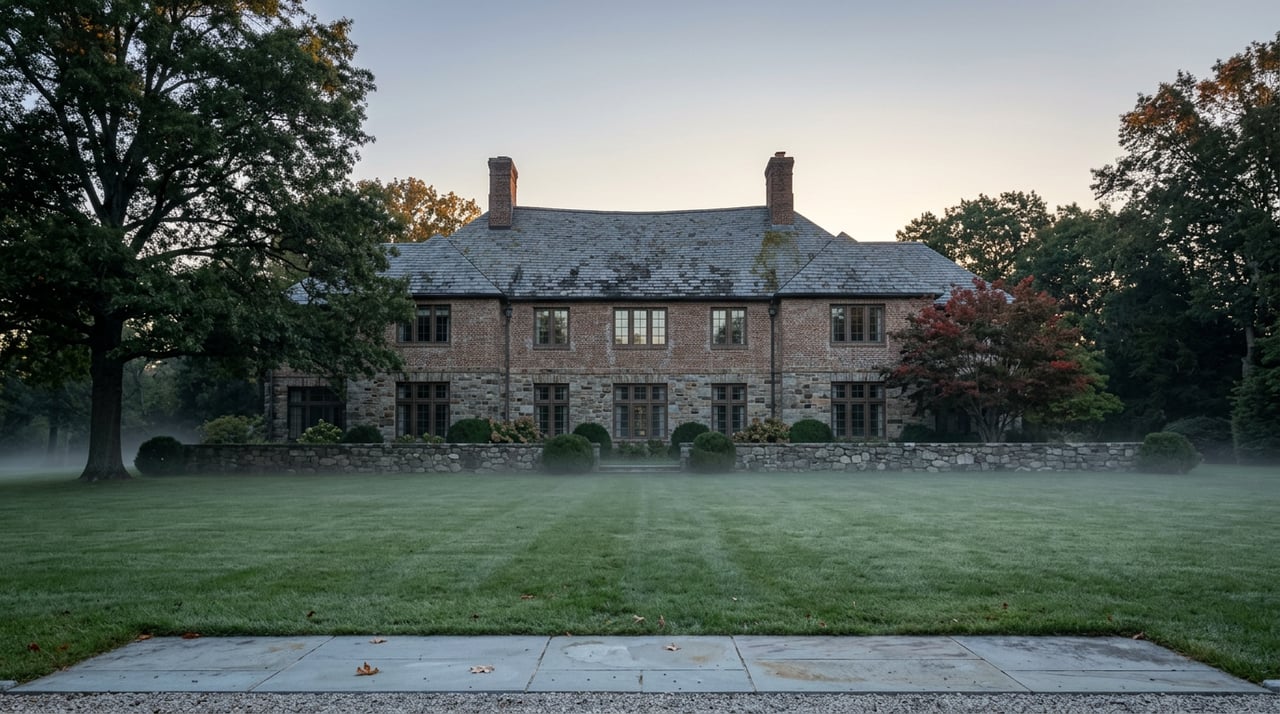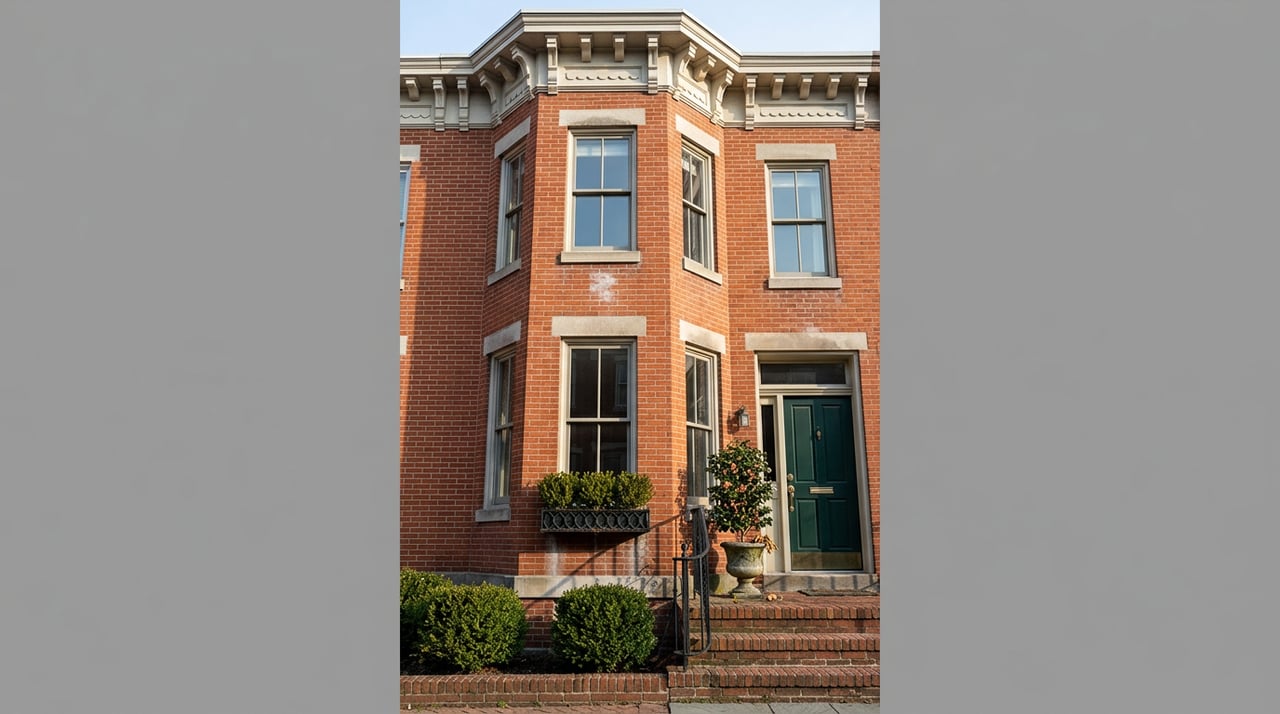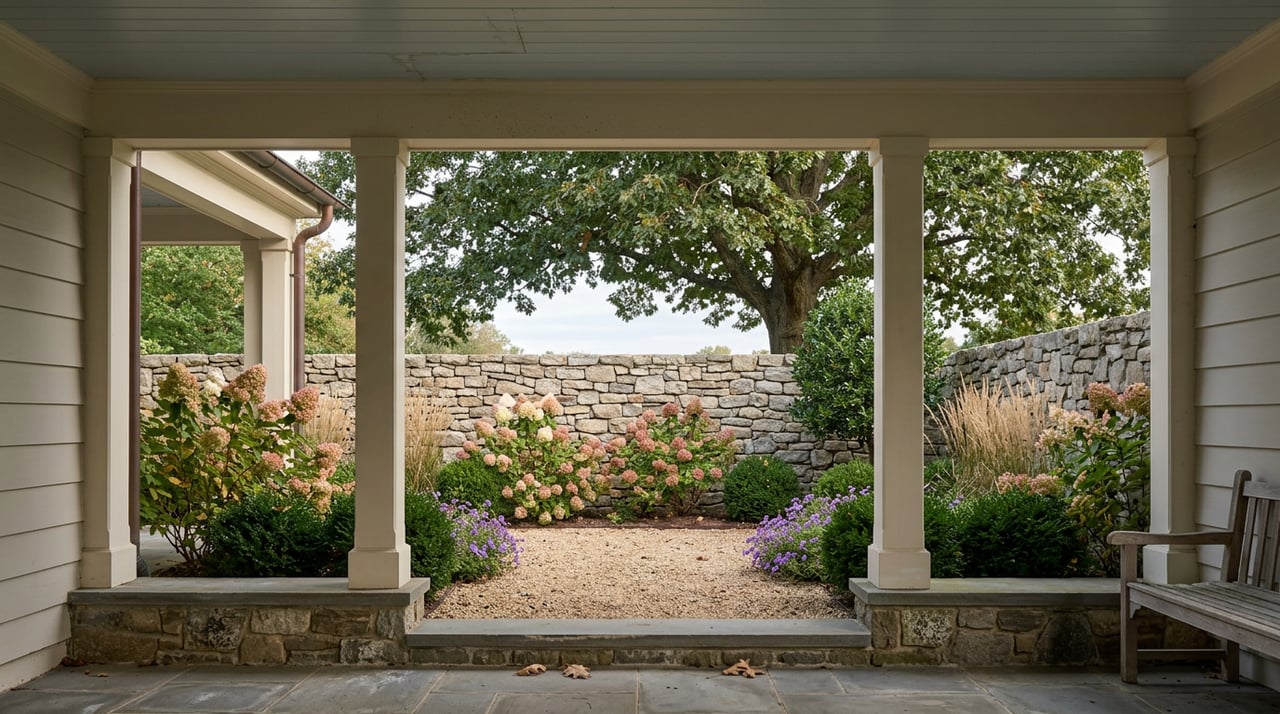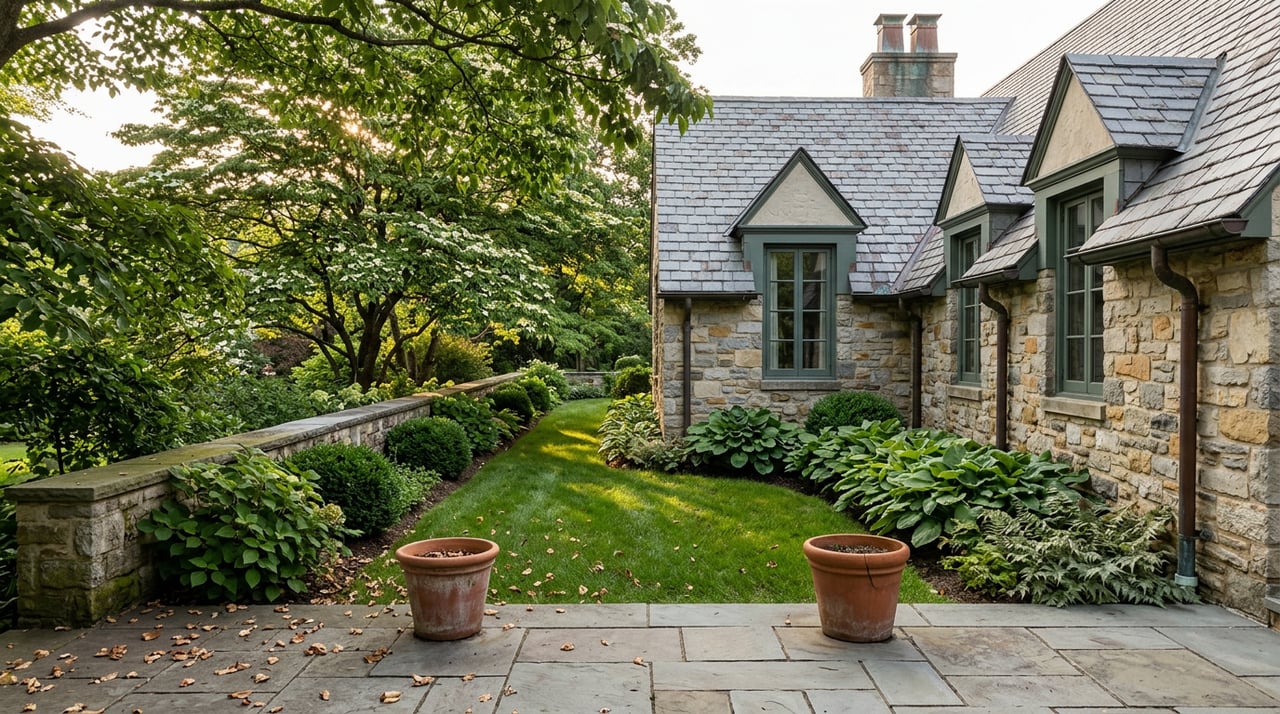
A family in Roland Park wanted a garage. Not an unusual request in a neighborhood built before anyone owned two cars: a two-story structure with three bays and storage above, tucked into the rear of their lot. They submitted plans to the neighborhood's Architectural Review Board in the fall of 2014. The Board approved part of the project, a permeable parking pad, pending the city's zoning sign-off, but balked at the garage itself and asked for more detail. The family returned in 2015 with a fuller submission. What followed wasn't a renovation. It was litigation that reached Maryland's appellate courts, testing whether a private board of volunteer neighbors could stop a project a homeowner had already paid a contractor to design.
The court sided with the Board, ruling that its decision was shielded by the business judgment rule. But the case settled something more useful for anyone shopping in Roland Park today than the legal question at its center: the rules governing what you can build here don't come from Baltimore City. They come from a private corporation that predates city zoning by more than a decade, and whose authority over your specific lot depends on paperwork your title company may never have gone looking for.
The Document Your Title Search Isn't Built to Catch
Roland Park's covenants aren't a quirky footnote to the neighborhood's history. They're older than the city's own zoning code. When the Roland Park Company began selling lots in 1891, neither Baltimore City nor Baltimore County regulated land use, so the company wrote its own rules directly into each deed: setbacks, design standards, even a requirement for indoor plumbing at a time when most of the city still relied on outdoor privies. The company set up the Roland Park Roads and Maintenance Corporation in 1909 to enforce those covenants and collect the fees that funded them.
Here's the part that matters at closing. Roland Park's Civic League states plainly that most, but not all, properties in the neighborhood are still under covenant, and that the corporation's current declarations were recorded separately from the original deeds. Because of that separation, the covenants are "not as easy to locate in a cursory title search." The Civic League's own guidance goes further, noting that its office can confirm covenant status and provide a copy "if your realtor or title company has failed to do so." That's an acknowledgment, from the organization that enforces these rules, that the standard closing process routinely misses them.
The Maryland Land Records portal at mdlandrec.net lets anyone search recorded instruments without a trip to the courthouse, and it's the most reliable way to confirm whether a specific parcel carries an active covenant before you write an offer or price a renovation into your budget.
The Same Street Can Carry Different Rules
The reason a title search can miss the covenant isn't sloppiness. It's that Roland Park's rules didn't apply uniformly across time. The original 1909 covenants expired in 1959. Rather than let enforcement lapse, the corporation spent the following decades asking individual owners to sign new declarations extending the restrictions, one of which was recorded in 1990. Whether a given lot is bound today depends on whether that chain of title includes an owner who signed on.
The Civic League confirms the unevenness directly: Plat 1's original covenants survive in their original form, while covenants in the other plats expired on their own schedules and were "variously renewed." Two houses across the street from each other, built in the same decade by the same company, can answer to different versions of the same rulebook, or to none at all if neither owner ever re-upped.
That's the piece of local knowledge most buyers don't hold walking in: a house's age and architectural pedigree tell you nothing about whether it's currently covenant-bound. Only the recorded instrument does.
What Actually Requires a Vote
For properties still under covenant, the Architectural Review Board reviews exterior work only. Interior renovations don't need an application at all. What does require sign-off, according to the Civic League's design guidelines, includes:
- Additions and new outbuildings
- Non-original roofing materials (the Board does approve certain architectural-grade asphalt shingles case by case)
- Paint color, including repainting an existing color
- Fences, which must stay under 48 inches, sit behind the front line of the house, and skip solid privacy panels in favor of picket, black metal, or hidden hairpin styles
- Exterior lighting, HVAC equipment, solar panels, and satellite dishes
- Hardscaping such as patios and pools, when the individual covenant requires it
There's no approved paint palette to check against. The Board works from what its own guide calls "general consensus of opinion" about what suits a given house, which means two similar requests can land differently depending on who's reviewing them that month.
The Meeting You Can't Sit In On
The Board typically meets monthly, usually on the third Wednesday, and those meetings are closed to the public. Getting on the agenda means submitting an application with enough lead time before that date, so a project timeline that doesn't account for the cycle can stall before a contractor ever breaks ground. There's no automatic penalty for skipping the application step, but the Civic League's own guide notes that after-the-fact submissions face a "considerably higher rejection rate" than requests filed before work begins.
The 2018 garage case is the clearest illustration of what happens when a project and the Board's judgment diverge: even a homeowner with a fully engineered plan and a willingness to litigate couldn't compel approval, because the court found the Board's process substantially complied with Maryland's open-meeting requirements for community associations and its decision was entitled to deference.
Not the Same Thing as a Historic District
Buyers sometimes assume Roland Park's older sections carry the same protections as a formally designated historic district, and that's a separate mistake worth correcting. Baltimore's Commission for Historic and Architectural Preservation, known as CHAP, only requires design review in locally designated historic districts. A property's presence on the National Register is honorary on its own and doesn't trigger CHAP review by itself. If a Roland Park property does sit in a CHAP district, that review runs on its own calendar, with hearing agendas posted in advance and application materials due well before the hearing date, layered on top of whatever the Roads and Maintenance covenant already requires. Some owners doing qualifying, owner-occupied work may also be eligible for Maryland's homeowner historic tax credit or Baltimore City's historic property tax credit, but those credits require approval before the work starts, not after.
Why a Volunteer Board Still Cares About Your Fence
It's worth understanding why this system has held together for more than a century when the money behind it hasn't kept pace. The "Required Fee" set in each deed was fixed in early-20th-century dollars with no built-in mechanism to raise it, and it still hasn't been increased. To fund actual operations, the corporation has asked owners since 1985 to pay a voluntary "full-service" fee on top of the required amount, and that voluntary multiplier was raised again in 2023. The corporation's entire annual budget runs around $130,000, funded largely by owners choosing to pay more than their deed technically requires.
That structure explains something about the Board's diligence. When your legal claim to funding is frozen and your real budget depends on residents deciding the neighborhood's character is worth paying extra for, architectural review isn't a bureaucratic afterthought. It's close to the only lever the corporation has left to justify asking for that voluntary dollar year after year.
A Few Questions Worth Asking Before You Close
Does covenant status show up on the listing sheet? Not reliably. It's a question for the seller's agent, the title company, or the Roland Park office directly, not an assumption to make from the house's age or style.
If my house isn't currently under covenant, can I add one? The Civic League actively encourages it, framing covenant status as protective of the neighborhood's character rather than purely restrictive.
Does the Board's approval replace a Baltimore City permit? No. Annexation brought Roland Park under city zoning in the 1920s, and homeowners still need to satisfy both city and community requirements independently.
Roland Park's charm was built by design, deliberately, more than a century before anyone called it curb appeal. Knowing which version of that design's rulebook applies to a specific address, and when it does, is the kind of homework that separates a smooth renovation from a stalled one.
If you're evaluating a Roland Park property, or already own one and are weighing an exterior project, Alisa Goldsmith Properties can help you confirm covenant status before it becomes a surprise. Schedule a free consultation to talk through what a specific address actually requires.