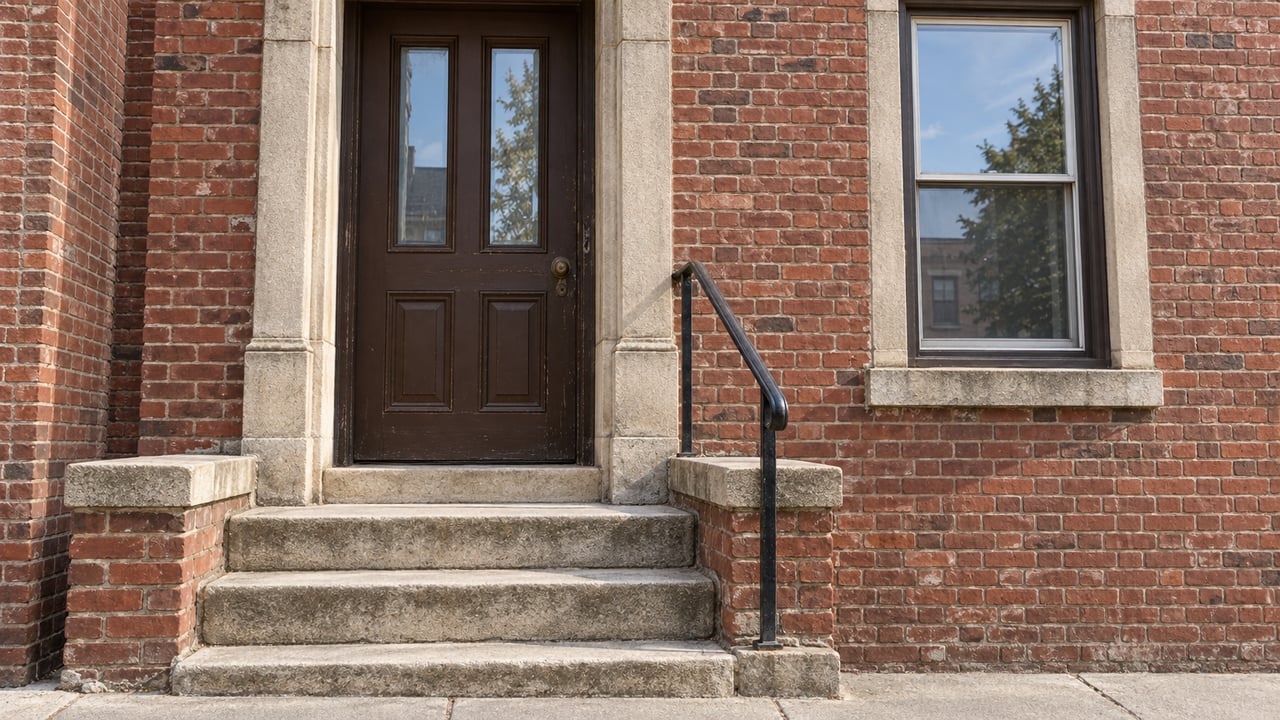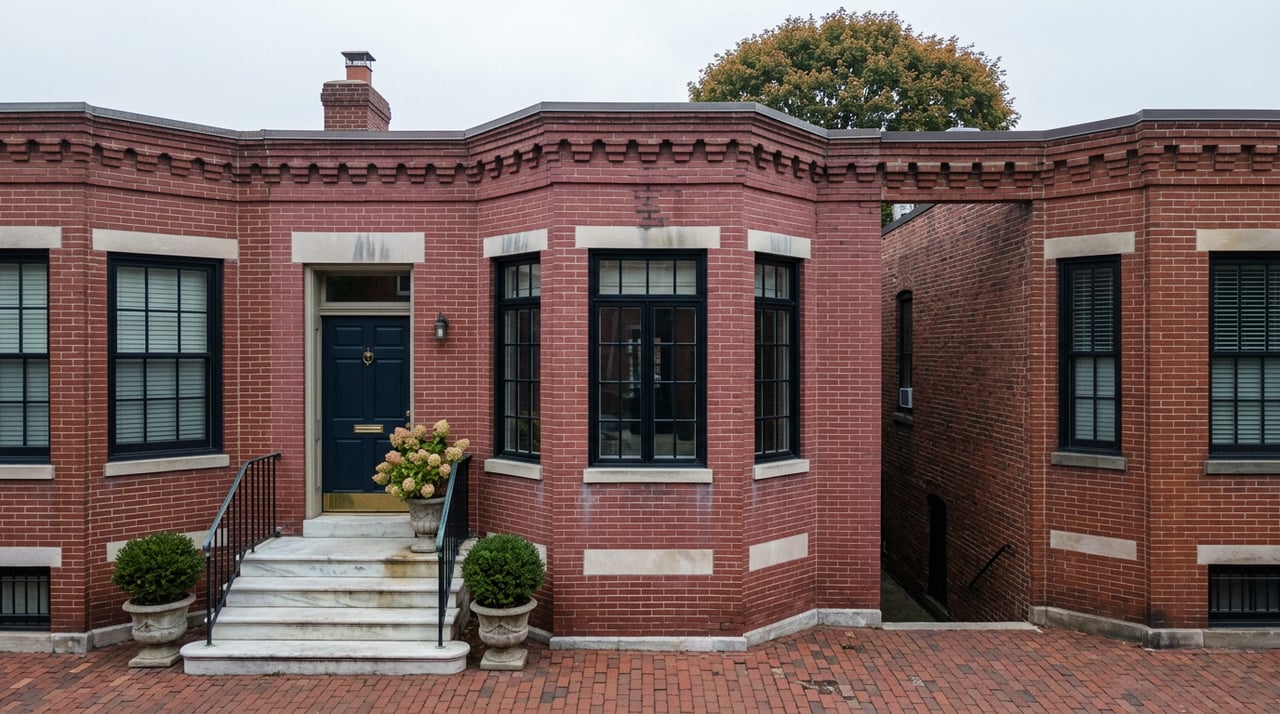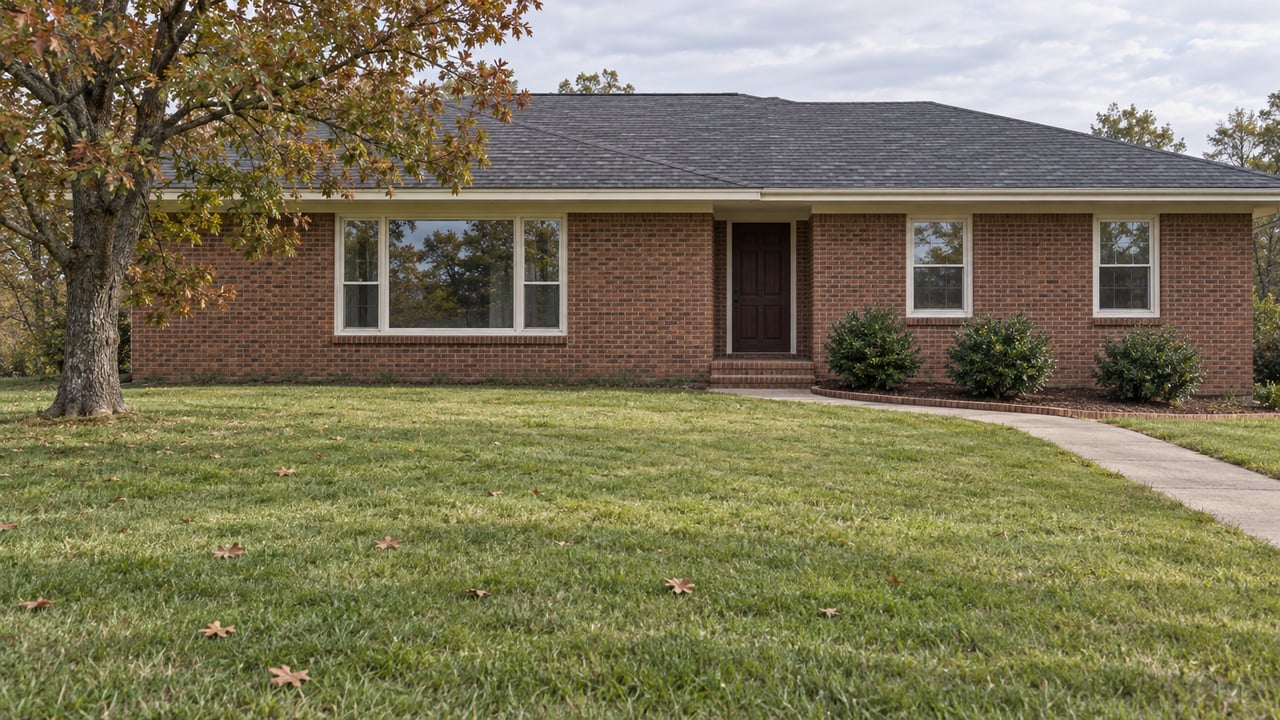
In early 2019, a family noticed a film on the glasses coming out of their stainless steel dishwasher. Bathroom fixtures installed only a year earlier were already corroding. Water testing found high levels of sodium chloride. The family believed road salt from winter treatment had reached the well, and contacted Baltimore County to file a claim. The county refused it. Officials told the family that as of Feb. 4 that year, the county was no longer paying for wells contaminated by road salt.
That policy is still in place. For anyone buying or selling a well-served home in Monkton or the surrounding Hereford zone, it decides who pays for salt in the water and how hard you have to look for it. It also makes the timing of the well test matter.
Who pays now
Before 2019, Baltimore County was absorbing a real share of the cost. A WBAL I-Team investigation in May 2018 found that more than 140 claims had been filed with the county in a little over three years. The complaints were consistent: salty-tasting water, plumbing fixtures that kept needing replacement, and corroding appliances. The county settled nearly 100 of those claims for more than $2.3 million. Under the settlement terms, homeowners agreed there was no conclusive finding that the county had caused the problem. In the same period, the state paid more than $660,000 to Baltimore County homeowners living along state-maintained roads.
When the county ended payouts, spokesman T.J. Smith said claims had "ballooned to a place unsustainable right now especially in the current fiscal situation." The county's Ground Water Management page still says so directly:
"Baltimore County is no longer processing new claims for home well water contamination alleged to be caused by road salt application. Homeowners who require help or advice with this matter are encouraged to contact and work with a well drilling or water treatment company."
The fixes are the ones WBAL described in 2019: drill another well, or install a reverse osmosis system at a cost the station put between $1,000 and $15,000. Whoever owns the house when the problem turns up pays that cost.
Where the salt has shown up
The 2018 settlement map points to a specific part of the county. Phoenix had more contaminated-well settlements than any other community. On Gifford Lane in Monkton, a single street, there were six.
Location relative to the road is part of the explanation. The Maryland Geological Survey notes that chloride in Baltimore County groundwater decreases as distance from paved roads increases. The same report says the county had seen a rising number of complaints about high-chloride groundwater. Geology adds to the risk. In the Maryland Piedmont, which includes northern Baltimore County, the shallow unconfined aquifer is the main drinking water source for homes without public water. It is often directly connected to the surface, so it is vulnerable to anything that soaks in.
Road salt is not the only possible source. A Maryland Department of the Environment presentation on Baltimore County wells lists water-softener brine, septic effluent, disinfectants and cleaners, fertilizers, and agricultural runoff alongside road salt. For a buyer, the source matters less than it used to. With no claims program, a high reading costs the same to treat whatever caused it.
When the salt shows up
This is where a fall sale has a blind spot.
Chloride does not reach a well all at once. Baltimore County's Advisory Commission on Environmental Quality, in its December 2024 road salt report, explains that part of the chloride in road salt washes into streams within hours to days. Another part moves slowly through soil to groundwater over months to decades. So a well can carry salt from winters long past, and a single reading can't tell you when that salt was applied.
There is also a seasonal pattern. The Maryland Geological Survey continuously monitored a Piedmont monitoring well in Layhill Local Park in Montgomery County. It measured specific conductance, a stand-in for dissolved ions, at about 1,550 microsiemens per centimeter in winter and under 1,000 in spring. After the salting season ended, conductivity fell and leveled off. That is one well in another county, measured by conductance and not by chloride directly. The evidence for Baltimore County wells points the other way. The same MDE presentation summarizes the county's own well monitoring, a 1998 report on 100 wells and a 2002 follow-up on 50, and reports no significant seasonal variation in chloride. The same presentation notes that chloride in Baltimore City streams peaks during winter months and doesn't return to baseline in summer. Some groundwater swings with the season, and some carries a steady, rising load. A single sample can't show which kind of well you have.
The long-term trend is going up. In the same 2019 study of 25 Piedmont wells, chloride had risen at least 25 percent in 15 of them since their first tests. Five exceeded the EPA's secondary level of 250 milligrams per liter. The highest reading, 571 milligrams per liter, came from a well about 100 feet from Interstate 95. The CEQ report says chloride in the tributaries feeding the Baltimore region's drinking water reservoirs has doubled since the 1980s. That includes rural Baltimore County watersheds with relatively little paved surface. Salting continues as well. In December 2025, the county reported 91,000 tons of salt stockpiled at 17 sites ahead of winter.
Put a 180-day validity window on top of that. Baltimore County's list of certified water testing labs says water quality tests are valid for 180 days for property transfers. A test drawn today, October 3, 2026, is good for transfer purposes through April 1, 2027. That covers the whole coming salt season, and all of it is based on a sample taken before the first winter storm. That gap doesn't matter for a well whose chloride holds steady, and it matters a lot for one that swings.
What the transaction requires, and what it leaves out
Baltimore County requires a Certificate of Potability before a new well goes into service. That means testing for bacteria, nitrates, turbidity, and sand. After the certificate is issued, maintaining and testing the well is up to the owner. The county's published guidance doesn't describe any well test triggered by a sale. Whether a test happens at all, and what it covers, usually comes down to the lender and the contract. Chloride and sodium are not on the Certificate of Potability list.
On the seller's side, Maryland's residential property disclosure form lets a seller either disclose what they actually know about the property's condition or sign a disclaimer. Known latent defects must be disclosed either way. The form also records whether the water comes from a well. Exactly how a prior water test fits into that is a question for the seller's attorney.
There's one more design point for a staged, freshly updated listing. Corrosion on new fixtures was one of the first signs the family noticed, and it appeared within a year of installation. A newly replaced faucet shows how the house is finished. It says nothing about the water that will run through it.
A fall contract, step by step
For a well-served home going under contract between now and spring, the order of events matters:
- Pull the county records first. The Ground Water Management Records Portal has downloadable records for private wells and septic systems on individual properties. The well's permit history and location, combined with the slope and distance to the nearest salted road, tell you how closely to look at chloride.
- Order chloride and sodium by name. Use a lab from the county's certified list. If the test only covers what the Certificate of Potability covers, salt won't be measured.
- Note the sample date next to the result. A clean October reading is accurate for October. Whether it would hold in late winter depends on the well, and one test can't answer that.
- Ask whether earlier tests exist. A sample from a previous winter or spring, from the same well, is the closest thing to a seasonal comparison a buyer can get before closing.
- Confirm your lender's well requirements directly. Program rules and lender overlays vary, and the requirement often comes from the lender, not the county.
When a result comes back, these EPA reference points help put it in context:
| Measure | EPA reference point | What it covers |
|---|---|---|
| Chloride | 250 mg/L secondary standard | Non-mandatory guideline tied to salty taste, not a health limit |
| Sodium | 20 mg/L guidance | Applies to people on a very low-sodium diet of 500 mg per day, not the general population |
| Highest Piedmont reading, 2019 MGS study | 571 mg/L chloride | One well about 100 feet from Interstate 95 |
The CEQ report notes that sodium in drinking water can matter for people on sodium-restricted diets and for people with certain health conditions. Anyone in that situation should take a result to their physician, not rely on a real estate guide.
Questions that come up on well-served homes
Is chloride hard to treat once it's found?
Yes. The Maryland Geological Survey describes chloride as difficult and costly to remove, often requiring reverse osmosis. It also notes that higher chloride can mobilize trace metals and radionuclides in groundwater.
Can a homeowner still file a road-salt claim with the county?
The county says it doesn't process new road-salt well claims and refers homeowners to well drillers and water treatment companies. In 2018, WBAL reported that the state rejected one homeowner's complaint, citing other possible contributors around the home.
Is anything changing on road salt policy?
The CEQ's December 2024 report recommended an ongoing road-salt task force and public reporting of annual salt use. The county's December 2025 winter readiness announcement mentioned best practices for reducing salt pollution but described no new roadway practice.
If you're listing or buying a well-served home in Monkton this fall, Alisa Goldsmith Properties can help you build water testing into the contract timeline, from pulling county well records to deciding when to sample. Schedule a free consultation before the first winter storm.
This article is general information, not legal, tax or financial advice. Consult a qualified professional about your situation.