Ever wonder why Roland Park homes feel so distinctive the moment you turn onto its winding streets? If you are buying, selling, or simply trying to understand what gives this Baltimore neighborhood its visual identity, the answer is not just one house style. It is the way architecture and landscape were planned together from the start, creating a setting where classic design styles still feel natural and connected. Let’s take a closer look.
Why Roland Park Feels Different
Roland Park began in 1891 as an early planned suburban community. Its curving streets, wooded setting, and hill-conscious layout were designed to follow the natural topography rather than force a rigid grid.
That planning choice still shapes how the neighborhood looks today. According to the Roland Park Civic League and National Register documentation, original deed covenants addressed house placement, land use, sanitation, and upkeep, helping preserve the area’s overall character while still allowing sympathetic updates.
For you as a buyer or seller, that matters. Roland Park is not simply a collection of older homes. It is a neighborhood where the setting, scale, and architecture work together, which is a big part of its enduring appeal.
Architectural Styles in Roland Park
The National Register identifies Roland Park as a 1,068-structure neighborhood with notable examples of Queen Anne, English Tudor, Georgian, and Shingle styles. While single-family homes predominate, the original plan also included duplexes, rowhouses, and apartments, mostly around the edges of the neighborhood.
That mix gives Roland Park a layered look instead of a one-note feel. You will often see one dominant style on a block, then a different expression around the next curve, all tied together by the same garden-suburb planning.
Tudor Revival Homes
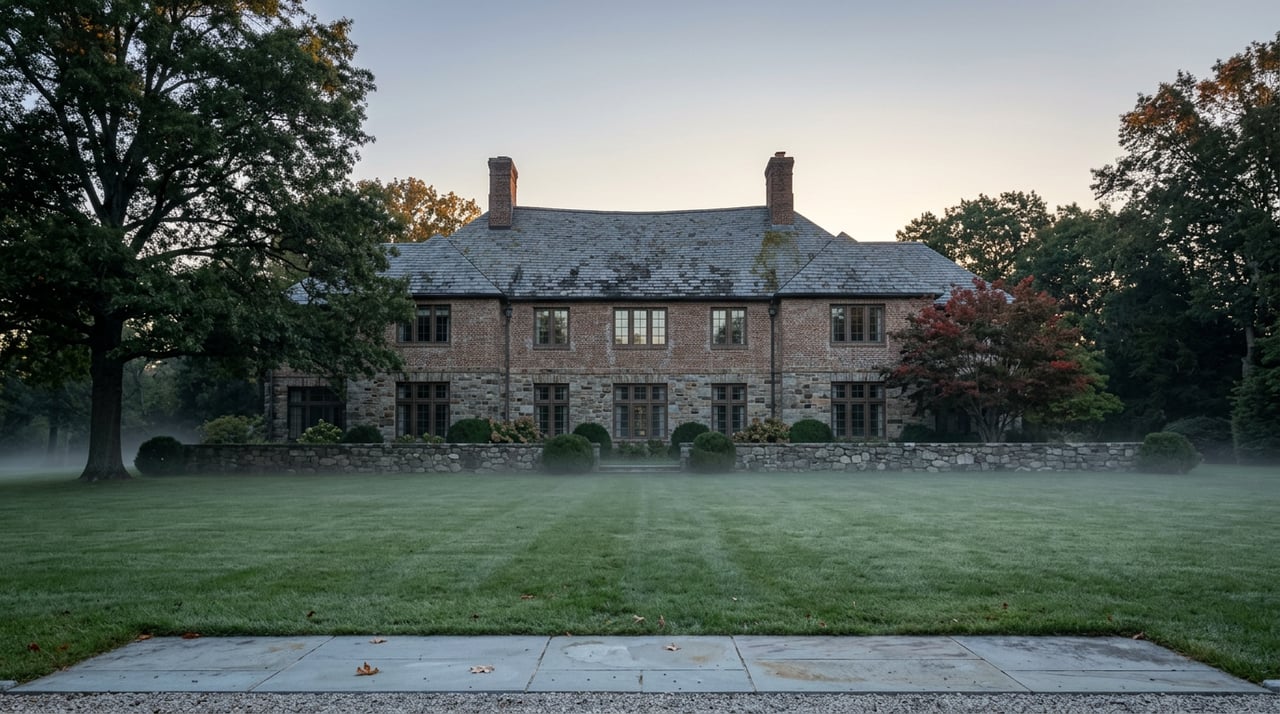
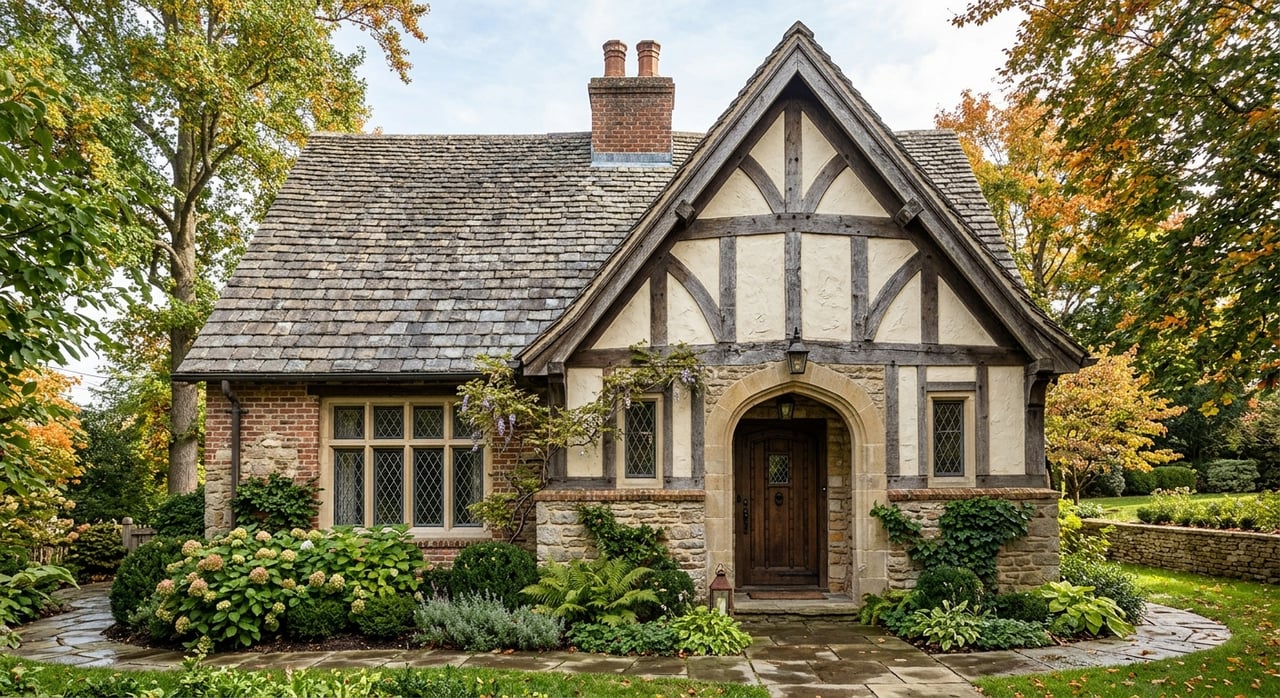
Tudor Revival is one of the easiest styles to spot in Roland Park. These homes often feature steeply pitched roofs, cross gables, asymmetrical shapes, mixed brick and stucco exteriors, half-timbering, tall narrow windows, and prominent chimneys.
In Roland Park, Tudor-inspired details show up clearly on the west side of Roland Avenue and at the Roland Park Shopping Center, which is described as Tudor half-timber style. Decorative gables, dormers, diamond-paned casement windows, and tall chimneys all help create that unmistakable storybook look.
If you are drawn to homes with visual drama and strong personality, Tudor houses often stand out. From a marketing perspective, these homes also photograph beautifully because their rooflines, masonry, and textured details create depth and character.
Colonial Revival and Georgian Revival Homes
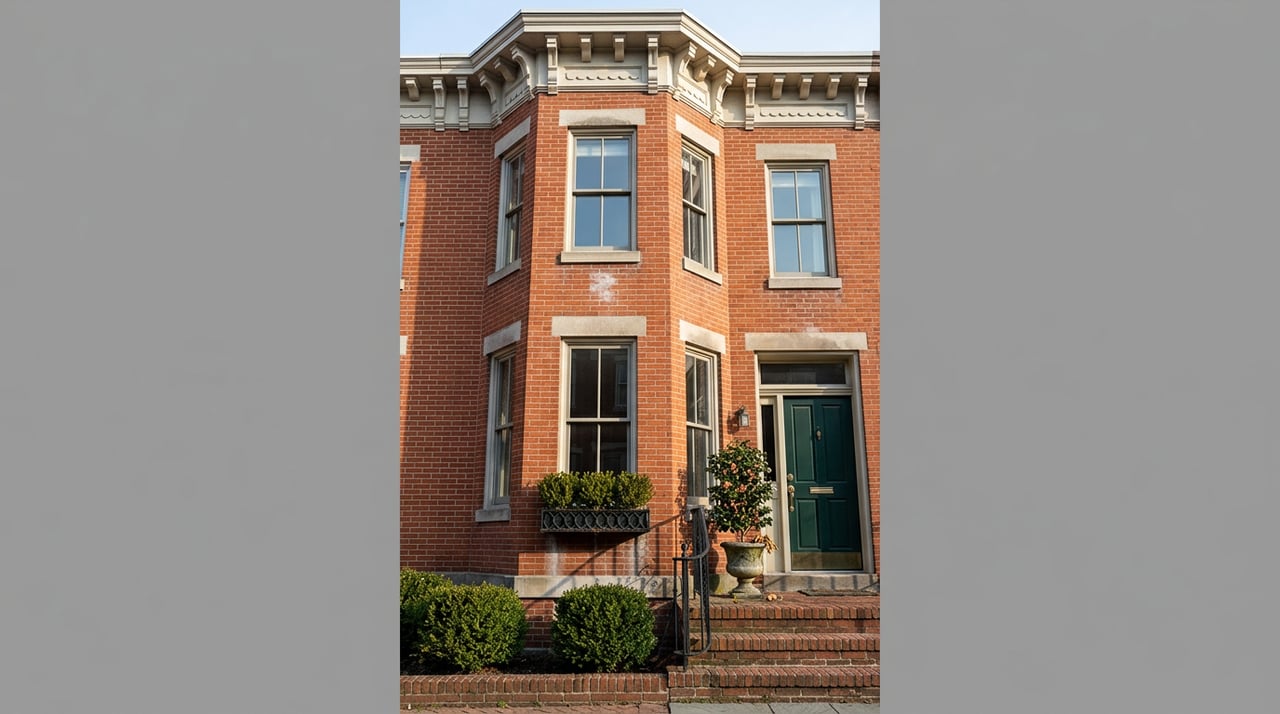
If Tudor homes feel romantic and irregular, Colonial Revival and Georgian Revival homes tend to feel balanced and formal. The National Park Service describes Colonial Revival as drawing from Federal and Georgian precedents, often using symmetry, centered entrances, double-hung windows, and restrained classical detailing.
In Roland Park, the National Register form notes that the modern Georgian mode predominates along University Parkway, particularly in homes built just before World War I. These houses often present a more orderly facade and a timeless street presence.
For many buyers, this style feels especially versatile. Its symmetry and proportion make it easy to pair traditional architecture with a wide range of interior finishes, whether you prefer classic rooms, cleaner updates, or a mix of both.
Shingle Style Homes
Shingle Style homes bring a softer, more relaxed look to Roland Park. National Park Service guidance describes this style as using complex massing beneath a continuous shingled exterior, often with asymmetry, porches, towers, and varied roof forms.
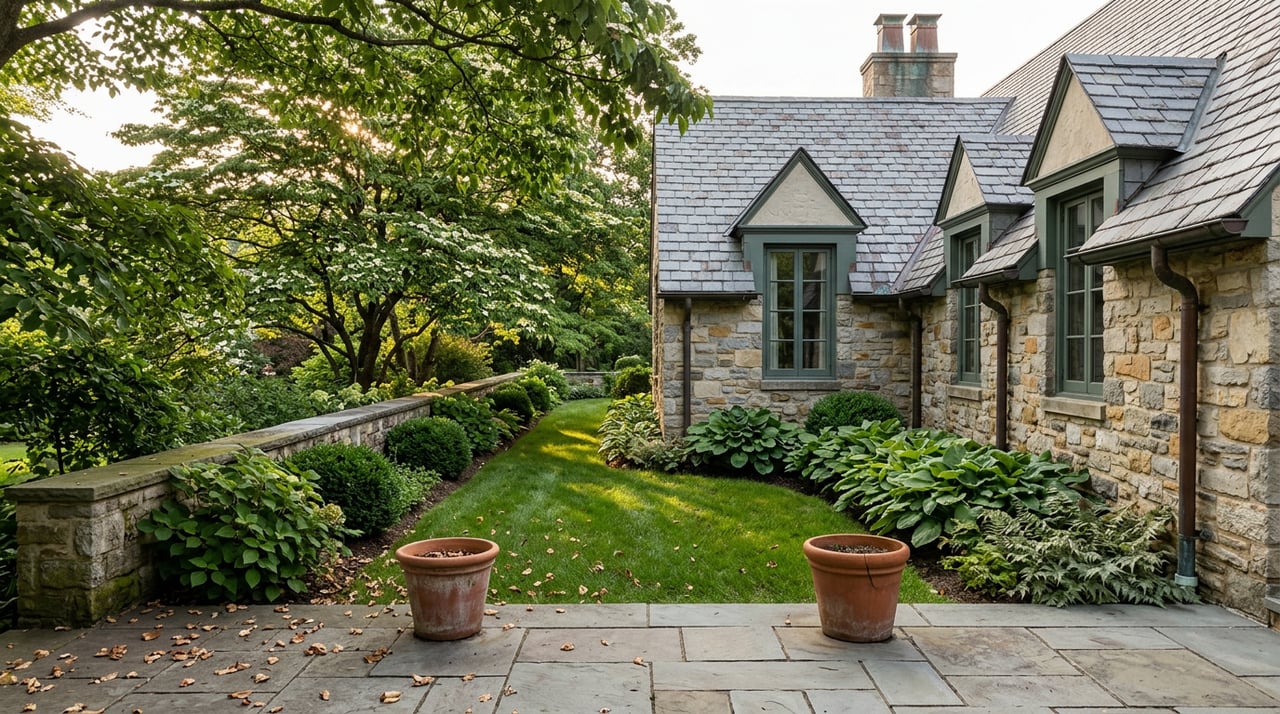
In Roland Park, many Shingle Style examples appear east of Roland Avenue, especially in the earliest sections of the neighborhood. Local descriptions point to cedar shake siding, slate roofs, fieldstone foundations or chimneys, and bold geometric forms as recurring features.
This style often feels especially connected to the landscape. Instead of emphasizing strict formality, it tends to blend into the hillside setting and wooded streets, which is a big reason these homes feel so comfortable and visually grounded.
Queen Anne and Other Styles
Roland Park is not limited to three major styles. The National Register also identifies Queen Anne examples, and the broader neighborhood mix includes colonials, craftsman influences, apartments, and townhomes.
That variety is part of the neighborhood’s charm. Rather than reading like a showroom of identical houses, Roland Park feels layered and lived-in, with earlier Victorian-era forms and later revival styles sharing the same picturesque framework.
How to Recognize the Details
If you are touring homes in Roland Park, it helps to know what to look for at a glance. A few architectural cues can quickly tell you which style you are seeing.
Quick Style Guide
- Tudor Revival: steep roofs, decorative half-timbering, mixed brick and stucco, tall chimneys, narrow windows
- Colonial or Georgian Revival: symmetrical facade, centered front door, double-hung windows, classical trim, balanced proportions
- Shingle Style: cedar shake exterior, complex rooflines, asymmetrical shape, porches, fieldstone accents
- Queen Anne: more ornate detailing, varied textures, irregular massing, and a more Victorian appearance
As you walk or drive through the neighborhood, these details begin to stand out more clearly. Once you know the vocabulary, you can better understand why one home feels formal, another feels whimsical, and another feels more relaxed and landscape-driven.
Where to See the Styles Best
A simple way to experience Roland Park’s architecture is to move through the neighborhood in sections. The National Register form offers a useful pattern for spotting the major styles.
Start east of Roland Avenue, where many Shingle Style houses appear in the earliest developed sections. Then head toward University Parkway, where Georgian and Colonial Revival homes create a more formal architectural rhythm.
Finish west of Roland Avenue, where Tudor and pseudo-English design elements become more visible. Along the way, the winding streets and hilltop lots help explain why even formal revival styles feel softer here than they might in a flatter, more rigidly planned neighborhood.
Why the Setting Matters as Much as the Style
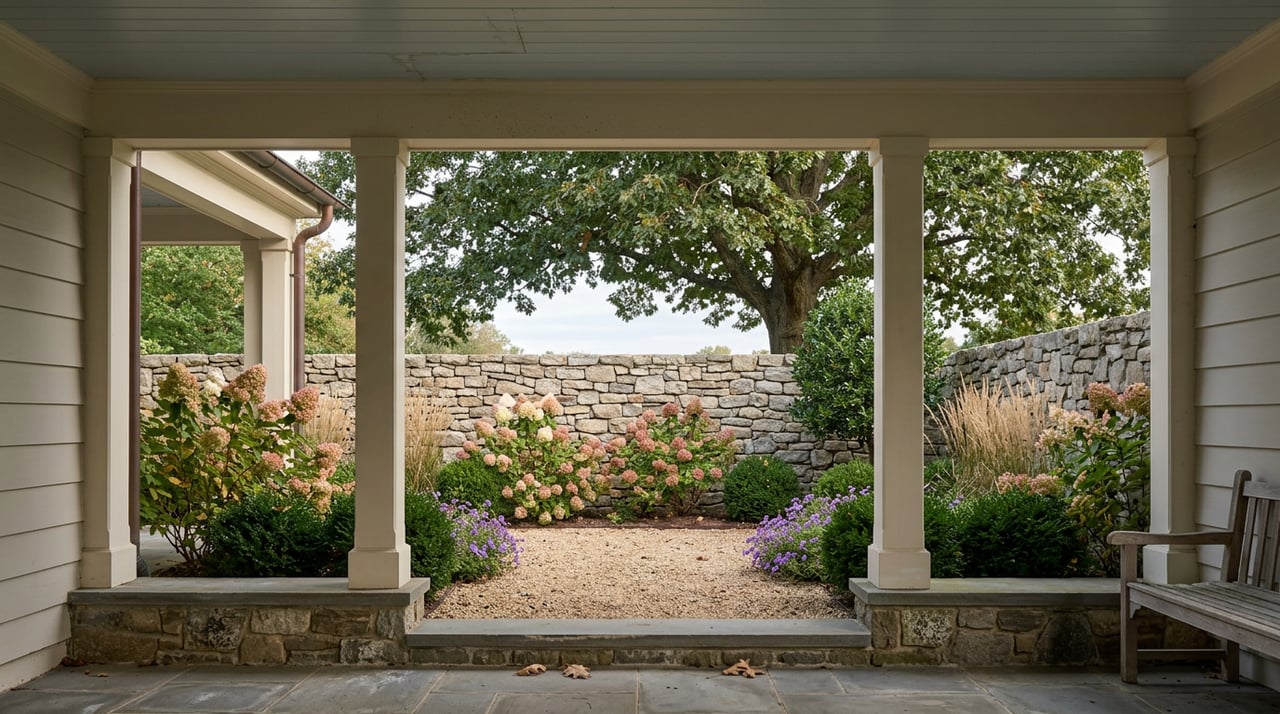
One of the most important things to understand about Roland Park is that the architecture does not work alone. The neighborhood’s appeal comes from the relationship between homes and landscape.
Curving roads, mature greenery, and varied lot placement change how each house is viewed. A Tudor home framed by trees feels more picturesque. A Georgian home on a rise feels more composed. A Shingle Style home nestled into a slope feels especially natural.
That is why Roland Park is best understood not as a catalog of styles, but as a neighborhood where planning and architecture create a softer, more residential expression of early revival design. If you are evaluating value, curb appeal, or renovation potential, that broader context matters.
What Buyers and Sellers Should Notice
If you are buying in Roland Park, architectural style can shape how a home lives, how it presents, and how it may respond to updates. Rooflines, window types, symmetry, exterior materials, and original detailing can all influence maintenance, design decisions, and overall feel.
If you are selling, understanding your home’s style can help you present it more effectively. A Tudor home may benefit from highlighting original windows, masonry, and dramatic rooflines. A Georgian or Colonial Revival home may shine when its symmetry and formal entry are emphasized. A Shingle Style home often benefits from presentation that underscores texture, natural materials, and landscape connection.
For design-conscious buyers and sellers, this is where style knowledge becomes practical. It helps you see what makes a house distinctive and how to market or evaluate it with more clarity.
Roland Park Compared With Nearby Areas
Roland Park is often compared with Guilford and Homeland, and for good reason. All three are connected through the broader legacy of the Roland Park Company and share a planned-community approach with curving streets, large lots, and strong architectural identity.
Guilford is often seen as a close companion, with similar early-20th-century revival styles and a disciplined sense of neighborhood design. Homeland, developed later, leans more overtly English, with Tudor, French Country, Early American, and Colonial influences.
The practical takeaway is simple. Roland Park feels like the original template, where landscape planning and residential architecture first came together in this distinctive way. That gives it a slightly more organic, foundational character within the group.
If you are thinking about buying or selling in Roland Park, a clear understanding of architectural style can help you see the neighborhood more accurately and present a home more strategically. For personalized guidance on Roland Park homes, design-forward presentation, and neighborhood-specific market insight, schedule a free consultation with Alisa Goldsmith Properties.
FAQs
What architectural styles are most common in Roland Park homes?
- Roland Park is known for Tudor Revival, Colonial Revival, Georgian Revival, Shingle Style, and some Queen Anne homes, according to National Register documentation.
Where can you see Shingle Style homes in Roland Park?
- Many Shingle Style homes are located east of Roland Avenue, especially in the earliest sections of the neighborhood.
Where are Georgian and Colonial Revival homes in Roland Park?
- The National Register form notes that the modern Georgian mode predominates along University Parkway, particularly in homes built just before World War I.
What makes Tudor Revival homes in Roland Park easy to spot?
- Tudor Revival homes in Roland Park often have steep gables, tall chimneys, mixed brick and stucco exteriors, half-timber details, and narrow windows.
Is Roland Park a single-style historic neighborhood?
- No. Roland Park includes several architectural styles, and its character comes from the combination of varied homes within a planned, landscape-focused neighborhood design.
Are updates allowed on Roland Park homes?
- Yes. The Civic League says the neighborhood’s covenants help preserve character, but Roland Park is not a strict historic-preservation zone, so sympathetic updates are allowed.