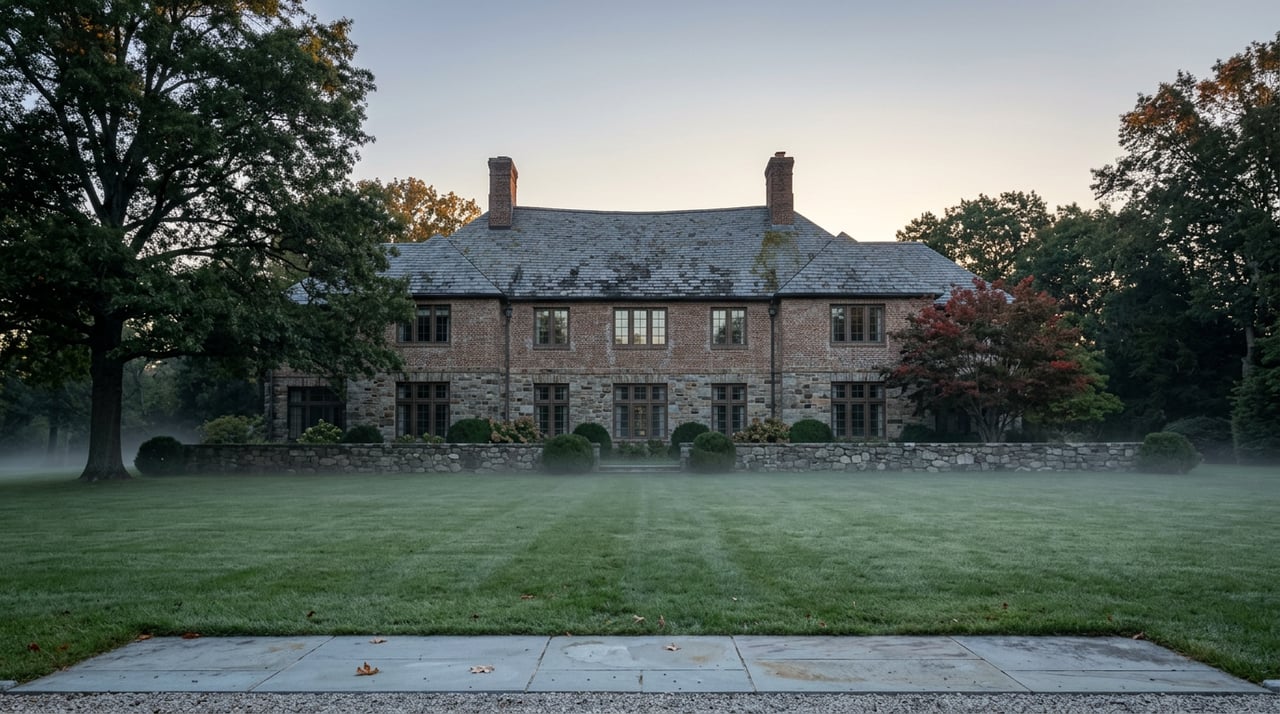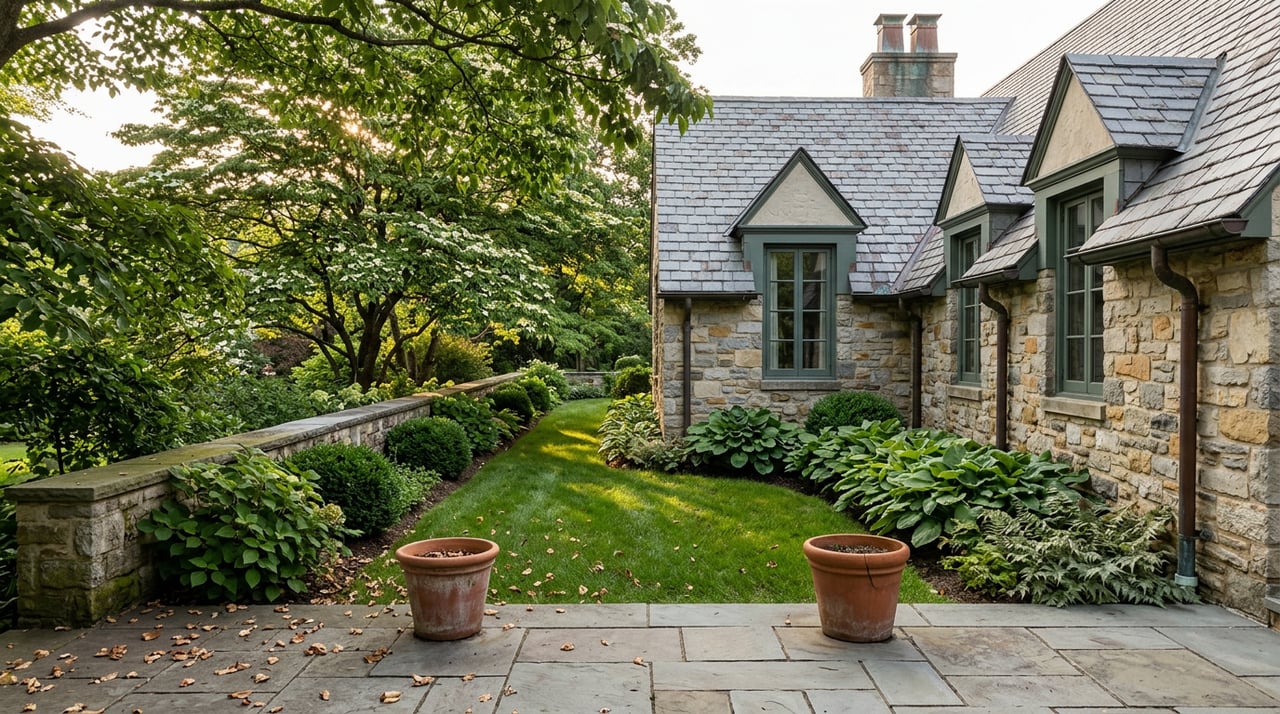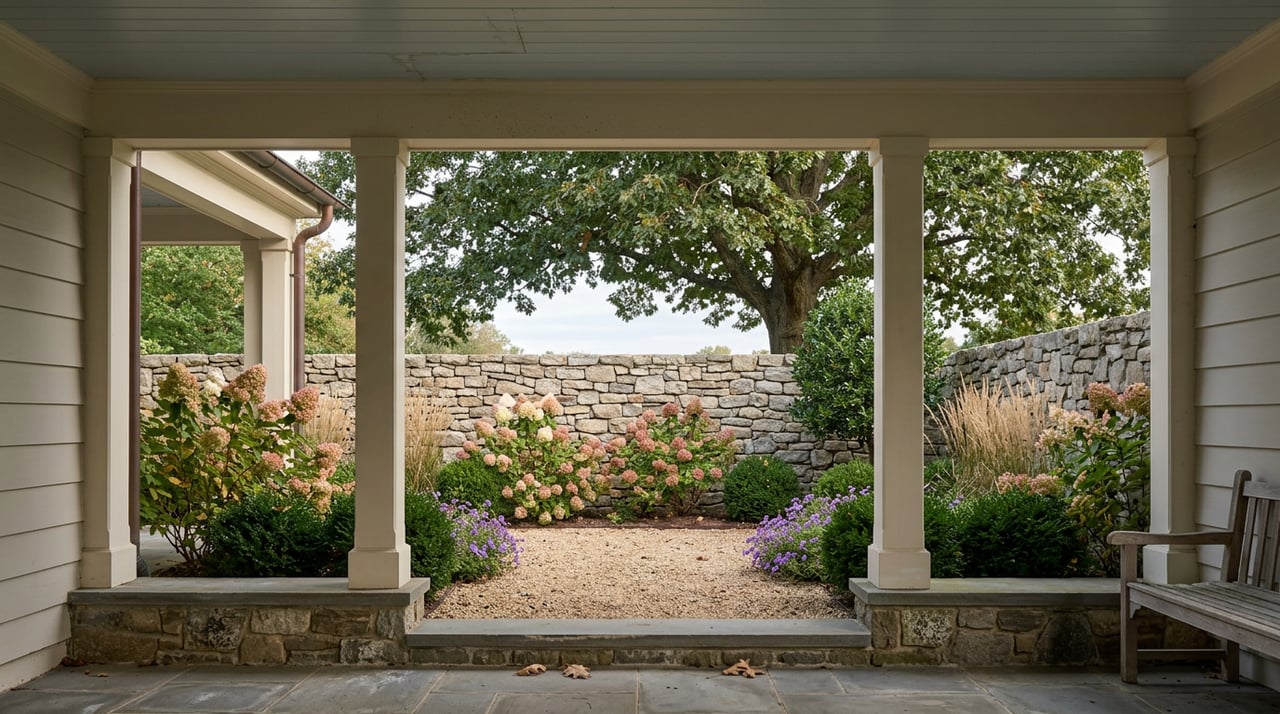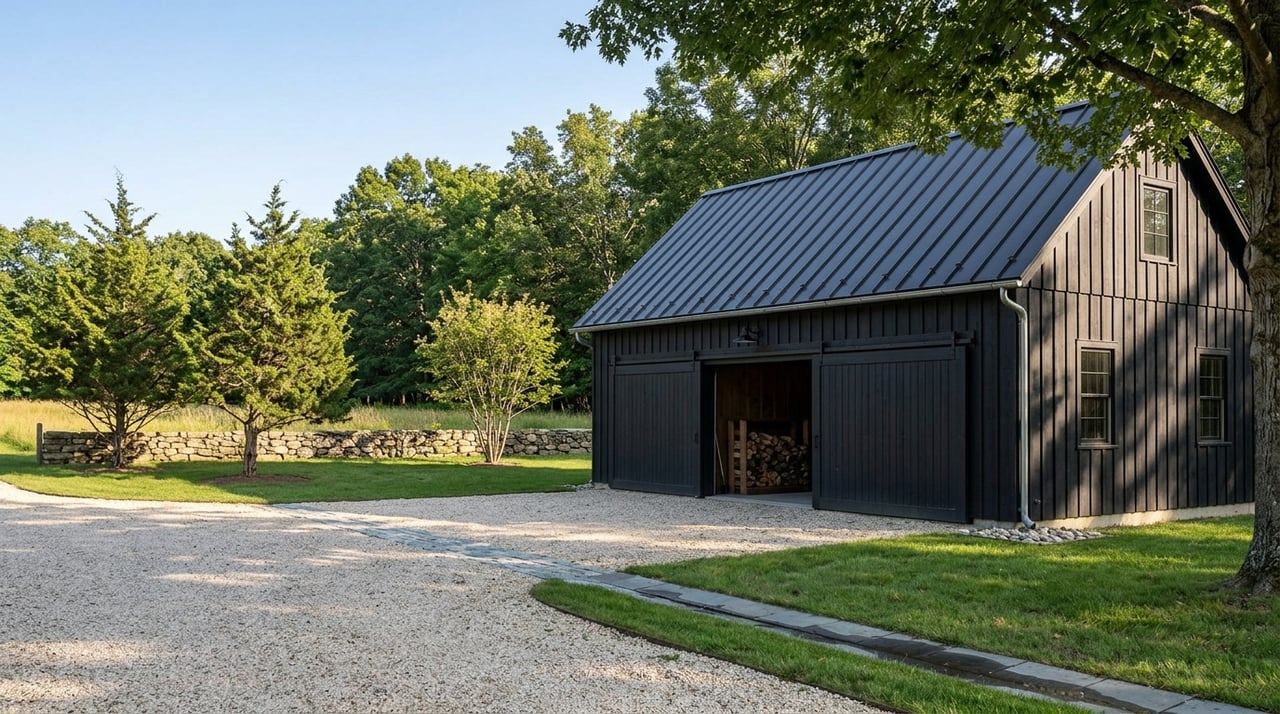
Dreaming of open land, a long driveway, and room to spread out in Monkton? Buying acreage or an estate property here can be exciting, but it also comes with a different set of questions than buying in a typical subdivision. If you want to avoid surprises, you need to look beyond the house and understand how the land actually works. Let’s dive in.
Why Monkton Buying Is Different
Monkton should be approached through a rural-property lens, not a standard neighborhood-home lens. Baltimore County zoning in this area includes RC-2, RC-4, and RC-7 districts, which fall under the county’s resource-conservation categories.
That matters because acreage in Monkton is often shaped by zoning, overlays, and land-use limits that can vary from parcel to parcel. Baltimore County’s Urban Rural Demarcation Line is part of the county’s growth-management framework, so a large lot here may function very differently from a similarly sized property in a denser part of the county.
Start With Parcel-Level Zoning Review
Before you fall in love with the setting, confirm exactly what the parcel allows. Baltimore County reviews zoning-map changes through its Comprehensive Zoning Map Process on a recurring four-year cycle, and the official map is adopted by the County Council.
For buyers, the key step is checking the specific property in MyNeighborhood. That tool includes parcel-level layers for zoning, property details, conservation easements, and floodplain, which is especially helpful in Monkton where conditions can change from one lot to the next.
Why zoning matters on estate properties
On an acreage purchase, zoning affects more than just the home itself. It can shape what you may be able to do with additions, detached structures, pools, barns, and future site changes.
A beautiful property can feel turnkey at first glance, but your long-term plans may depend on details that are not obvious during a showing. That is why zoning review should happen early, not after you are already emotionally committed.
Evaluate Outbuildings and Future Improvements
One of the biggest reasons buyers pursue acreage is flexibility. You may want a detached garage, a workshop, storage building, pool, or barn, but a larger lot does not automatically mean those improvements are allowed by right.
Baltimore County’s zoning policy manual says accessory structures in residential zones generally must be located in the rear yard. The combined area of multiple accessory structures also generally may not exceed 40% or 50% of the rear yard, depending on the property and zoning context.
If a site plan appears to use separated buildings to work around zoning limits, the county can require a special hearing. County hearing records also show that features such as front-yard pools and taller garages may require variances when they go beyond standard limits.
What to ask about sheds, garages, and barns
Baltimore County requires permits for accessory structures over 120 square feet. The county also says light-frame storage buildings up to 400 square feet do not need a permanent foundation if they are properly anchored and the eave height does not exceed 10 feet.
Larger or heavier structures require a permanent foundation at least 30 inches below finished grade. If you are buying with a vision for future expansion, these details matter because your wish list may involve review, permitting, or site limitations.
Look Closely at Driveways and Access
Access is easy to overlook until you own the property. On acreage in Monkton, the driveway, entrance, and road setup are often part of the true cost of ownership.
Baltimore County guidance says driveway and entrance points on major collectors and arterials should be minimized. In some cases, use-in-common driveways or access from a local street may be preferred.
The county also distinguishes between private and public roads. If a road is private and has not been accepted by the county for ownership and maintenance, upkeep becomes the owner’s responsibility.
Why access affects your budget
A long or complex driveway can bring recurring maintenance needs. Depending on the property, you may need to think about grading, drainage, surface repair, snow removal, and culvert upkeep as part of normal ownership.
County guidance for new driveways and major access changes also says utility conflicts must be resolved and positive drainage must be maintained. In practical terms, access is not just about convenience. It is part of the property’s functionality and ongoing care.
Confirm Well and Septic Details Early
Private well and septic systems are common issues in rural and estate purchases, and Monkton buyers should treat them as standard due diligence items. Assumptions can get expensive quickly.
The Maryland Department of the Environment says homeowners with private wells are responsible for drinking water safety and recommends annual testing. It also states that only licensed well drillers may construct, modify, or properly abandon a well.
For septic systems, Baltimore County’s 2025 maintenance guide says regular pumping is part of keeping a system functioning properly. MDE also maintains guidance for property-transfer inspections and licensed septic professionals.
What documents to request
Before closing, ask for clear records tied to both systems. A well-organized file can help you understand current condition, maintenance history, and whether any issues may need attention soon.
Request:
- Well location and available well records
- Recent water test results, if available
- Septic tank location
- Septic service and pumping history
- Any repair records
- Any transfer-inspection documents
Check Floodplain, Easements, and Conservation Limits
Some of Monkton’s most appealing parcels include streams, wet areas, scenic low-lying land, or preserved open space. Those features can be beautiful, but they can also affect how the land may be used.
Baltimore County says its most recent floodplain ordinance took effect on May 6, 2024, and defines the 100-year flood as having a 1% annual chance of being equaled or exceeded. MyNeighborhood and the county’s floodplain map service include flood hazard layers that can help screen a parcel early in the process.
You should also look for conservation easements or preservation restrictions tied to the property. These can limit development potential in ways that matter to both lifestyle plans and resale strategy.
Usable acreage matters more than total acreage
One of the most important ideas for Monkton buyers is this: not all acreage contributes value in the same way. Land that is accessible, buildable, and less constrained often functions very differently from land that is steep, wet, in floodplain, or heavily encumbered.
That is why estate buying here should feel a bit like reviewing a site plan. The total number of acres is only part of the story. How the land can actually be used is what matters most.
Understand Agricultural Assessment and Preservation
If a property is actively devoted to farm use, Maryland’s agricultural use assessment may apply. The state describes a preferential value of $500 per acre for qualifying acreage, while the homesite is assessed at market value.
This can be an important detail when you are reviewing how the property is currently assessed. It can also influence how you think about ownership costs and the land’s present use.
Separate from that, agricultural preservation easements in Maryland can permanently restrict development on preserved land. For buyers, that means preserved acreage may offer privacy and rural character, but it can also come with lasting limits on future use.
A Smart Buying Process for Monkton Acreage
When you buy in Monkton, the smartest approach is to evaluate the property in layers. The house matters, of course, but the land, access, and restrictions often shape your experience just as much.
A strong process usually looks like this:
- Verify the parcel’s zoning and overlays
- Review conservation easements and floodplain layers
- Confirm driveway and road access details
- Ask whether roads or shared drives are privately maintained
- Review well documentation and water testing
- Review septic records, pumping history, and inspections
- Evaluate existing outbuildings and future improvement plans
- Confirm whether preservation or agricultural assessment affects the property
Why Local Guidance Matters
Estate and acreage properties can be incredibly rewarding to own, but they rarely fit a one-size-fits-all formula. Two homes with similar acreage in Monkton may have very different zoning realities, utility setups, maintenance needs, and long-term flexibility.
That is why local guidance matters so much when you are buying in this part of Baltimore County. You want a clear understanding of how the property lives today and what it may realistically support in the future.
If you are considering acreage or estate property in Monkton, working with a local advisor who can help you look at both the home and the site can make the process more confident and far less stressful. To start the conversation, schedule a free consultation with Alisa Goldsmith Properties.
FAQs
What zoning should you check when buying acreage in Monkton?
- You should verify the specific parcel in Baltimore County’s MyNeighborhood tool and review the zoning designation, conservation easements, and floodplain layers because conditions can vary from property to property in Monkton.
What should you know about outbuildings on a Monkton estate property?
- Baltimore County generally requires accessory structures in residential zones to be located in the rear yard, limits the combined area of multiple accessory structures in the rear yard, and requires permits for accessory structures over 120 square feet.
What should you ask about private wells on a Monkton property?
- You should ask for well records, location details, and recent water test results because Maryland says homeowners with private wells are responsible for drinking water safety and annual testing is recommended.
What septic information should you request when buying in Monkton?
- You should request the septic tank location, pumping history, service records, repair records, and any transfer-inspection documents before closing.
Why does floodplain review matter for Monkton acreage?
- Floodplain review matters because scenic land near streams or low-lying areas may include flood hazard constraints that can affect how parts of the parcel may be used.
Does more acreage always mean more value in Monkton?
- No. Usable acreage typically matters more than total acreage because access, buildability, floodplain conditions, easements, and other constraints can change how valuable the land is in practice.