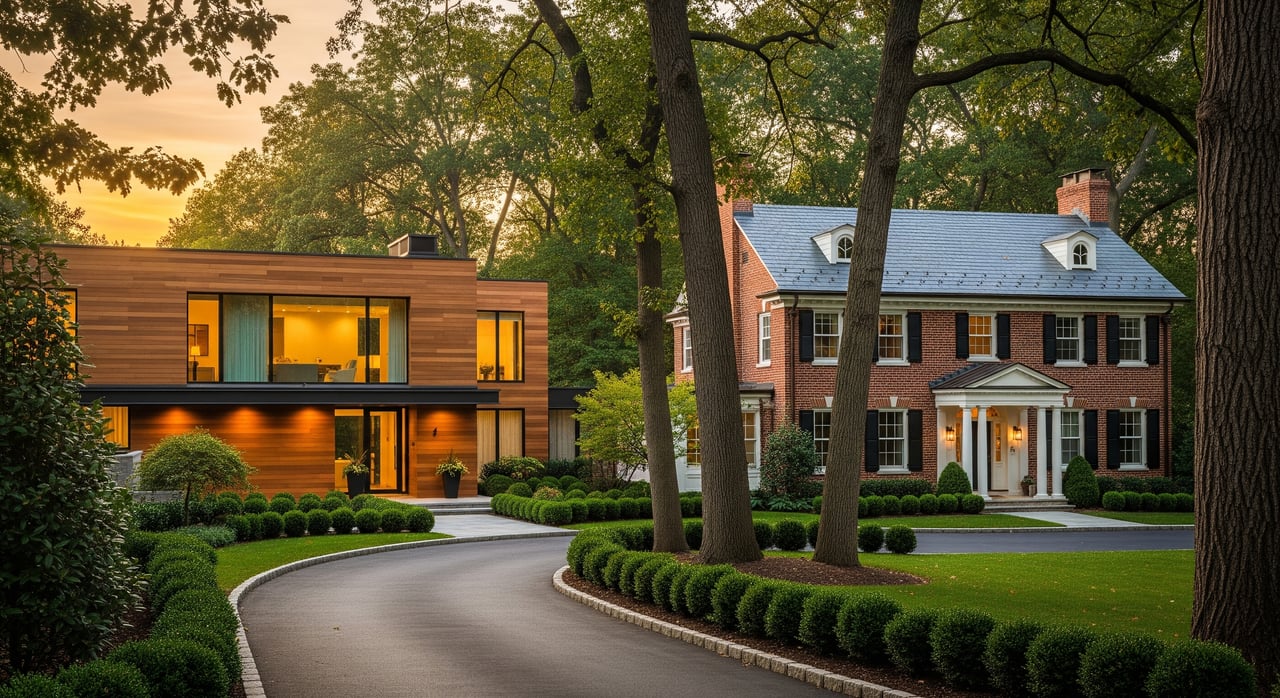
Trying to decide between a brand-new build or a character-filled resale in Baltimore County? You are not alone. Your budget, timeline, and appetite for customization all play a role, and the local process can feel complex. In this guide, you will learn how new construction and resale compare on timing, costs, warranties, negotiation, and Baltimore County specifics so you can move forward with clarity. Let’s dive in.
Big picture in Baltimore County
Most homes on the market are resales, with new construction concentrated in growth areas, suburban subdivisions, and select infill sites. The balance between new and resale shifts over time as builders deliver new phases and as broader market conditions change. For your search, it helps to know that new builds may be limited to certain corridors, while resale options are available across a wider mix of established neighborhoods.
Timeline and process
New construction timing
- Production homes can close in about 60 to 180 days if the home is already underway, and 6 to 12 months when starting from scratch.
- Semi-custom builds typically take 6 to 12 months, and fully custom builds can run 9 to 18 months or more.
- Expect a builder process that includes a contract, design selections, permitting, site work, framing, mechanicals and inspections, finishes, a final inspection and occupancy permit, then closing. Permit review and inspection schedules in Baltimore County can add weeks depending on complexity.
- If you are building from the ground up, financing often involves a construction or construction-to-permanent loan with draw inspections and different underwriting than a standard mortgage.
Resale timing
- Resale purchases commonly close in 30 to 60 days with a standard mortgage. Cash can close faster.
- The process includes offer and negotiation, inspections, appraisal, underwriting, and closing.
- Inspections are routine. Older homes may call for specialized checks such as pest, septic, well, chimney, or lead-based paint depending on age and features.
Costs and financing
Upfront and total cost
- New construction often carries a price premium, particularly after upgrades like flooring, kitchen finishes, and landscaping. Builders may offset this with incentives such as rate buydowns, closing cost help, or upgrade credits.
- Resale homes may offer more room to negotiate on price, but you might plan for updates or repairs soon after closing.
- For new builds, remember to budget for lot premiums, upgrade allowances, and possible development or impact fees. If you are building over many months, carrying costs can add up.
Financing differences
- New construction from scratch may require a construction or construction-to-permanent loan, with interest-only payments during the build and draw inspections. Some builders tie incentives to preferred lenders.
- Resale homes typically use conventional, FHA, VA, or USDA financing. Appraisals can be sensitive to recent comparable sales, especially if unique features are involved.
- The simplest path is to get pre-approved early for the financing type you need so your timeline and budget are aligned with the home you choose.
Taxes and carrying costs
- Property taxes in Baltimore County are based on assessed value. New homes often receive a new assessment that may be higher than older nearby properties.
- Review how assessments are phased, what the appeals process looks like, and whether any special district levies or HOA fees apply to your property.
- Ask for an estimate of taxes and HOA dues before you finalize your budget.
Warranties and early maintenance
- New homes typically include tiered builder warranties. Common industry norms are 1 year on workmanship and materials, 2 years on major systems, and about 10 years on structural elements, though exact terms vary by builder.
- Some builders use third-party warranty programs while others provide their own. Read the actual warranty documents before closing and understand what is covered and how to file a claim.
- Resale homes rarely include a builder warranty. You can purchase a separate home warranty, and some sellers offer one as an incentive for the first year.
Customization and design flexibility
- New construction can offer meaningful customization, especially if you buy early in the process. You may choose layouts, finishes, appliances, and smart-home features that match your lifestyle.
- Upgrades can affect your total price and sometimes appraisal. Prioritize the selections that impact daily living, such as kitchen functionality, flooring, and lighting.
- Resale homes limit you to the existing layout, but you can renovate post-closing. Plan for the cost, timeline, and any permitting if you go that route.
Energy efficiency and codes
- New homes must meet current building and energy codes. That often translates to better insulation, tighter building envelopes, and more efficient systems out of the box.
- The up-front premium for efficiency can lead to lower operating costs over time. Resale homes may need upgrades to reach similar performance, such as HVAC replacement, added insulation, or new windows.
Quality, inspections, and risk
- Builder quality varies across companies and product tiers. Independent third-party inspections during construction can help catch issues before walls are closed.
- For resales, a thorough inspection is essential. Older properties may have deferred maintenance or hidden concerns with roofing, foundation, plumbing, electrical, or environmental items.
- In Maryland, sellers have disclosure requirements. For homes built before 1978, lead paint disclosures and awareness of renovation rules are important. Radon testing is also a smart step in many areas.
Inspections you should plan
- New construction: pre-drywall inspection, final inspection, and a detailed walk-through to create a punch list for items to be completed before closing.
- Resale: general home inspection plus specialized inspections as needed, including pest, septic, well, chimney, HVAC, and radon.
Negotiation dynamics
- New construction pricing often centers on incentives rather than major base price reductions. Builders may offer closing cost assistance, interest rate buydowns, or upgrade packages based on timing and sales targets.
- Change orders are possible but usually add cost and can extend the schedule. Get all changes in writing.
- Resale negotiations are more traditional. You can negotiate on price, repairs or credits after inspection, and closing timelines. Seller motivation and days on market often shape your leverage.
- Protect yourself with clear completion dates in builder contracts, defined change order procedures, and inspection and financing contingencies where possible.
Baltimore County considerations
- Neighborhood maturity: Resale homes are often in established communities with mature trees and well-understood commuter patterns. New construction tends to be in growth areas or infill locations. Review community plans to understand nearby development.
- Proximity to daily needs: Evaluate access to transit, shopping, and services. For new subdivisions, confirm the delivery timeline for amenities if they are part of the plan.
- Local process: Baltimore County handles building permits and inspections at set stages. Timelines vary with project complexity. Understanding these checkpoints can help you plan your move date.
Utilities and site specifics
- Verify whether your property connects to public water and sewer or uses private well and septic. In some outlying areas, private systems are common.
- Ask about connection fees, capacity constraints, or developer timelines for completion of utility infrastructure.
Environmental checks
- Review floodplain considerations and stormwater management requirements. For properties near waterways, flood insurance needs may apply.
- Radon testing is recommended. For new builds, consider radon mitigation rough-ins if suggested by the site conditions.
- If you are considering a resale in a historic district or overlay zone, exterior changes may be subject to review.
HOA rules and documents
- Many new communities have HOAs with design guidelines, covenants, and monthly or annual dues. Review the operating budget, reserves, and rules before you commit.
- For resales in HOA communities, request the full governing documents and any resale packages or estoppel statements so there are no surprises after closing.
Quick buyer checklists
New construction checklist
- Review the builder contract, warranty documents, and any incentive terms in detail.
- Schedule independent inspections at key milestones, including pre-drywall and final.
- Clarify inclusions versus upgrades, and get change orders and costs in writing.
- Ask about grading and drainage, water and sewer plans, and timelines for community amenities.
- Confirm financing type and timeline for draws if using construction or construction-to-permanent loans.
Resale checklist
- Order a general home inspection and any specialized inspections recommended for the property.
- Review seller disclosures carefully, including lead-based paint for pre-1978 homes.
- Analyze neighborhood comparables, tax history, and potential assessments or HOA dues.
- Negotiate repairs or credits based on inspection findings and appraisal results.
How to decide: a simple framework
- Choose new construction if you value modern layouts, energy efficiency, and the ability to personalize finishes, and if your timeline can flex for a longer build window.
- Choose resale if you prefer established neighborhoods, a faster closing, and potential price negotiation, and you are comfortable planning updates over time.
- In either case, align your financing early, build in time for inspections and approvals, and keep a buffer for unexpected costs.
When you are ready to compare real homes and timelines in Baltimore County, let’s make a plan that fits your goals, design preferences, and move date. For tailored guidance and a smooth process from first tour to final walk-through, connect with Alisa Goldsmith Properties.
FAQs
What is the typical timeline to build a new home in Baltimore County?
- Production builds can be 60 to 180 days if already underway, and 6 to 12 months from scratch. Semi-custom is often 6 to 12 months, and fully custom can run 9 to 18 months or longer.
How fast can I close on a resale home in Baltimore County?
- Most resale purchases close in about 30 to 60 days with financing, while cash closings can be faster if inspections and title work stay on track.
Do new homes come with warranties, and what do they cover?
- Many include 1-year workmanship, 2-year systems, and about 10-year structural coverage, though terms vary by builder. Read the warranty documents before closing.
Are inspections necessary for new construction?
- Yes. Independent inspections at pre-drywall and final stages help catch issues early, and a detailed walk-through sets a punch list for completion.
What extra costs should I plan for with new construction?
- Consider lot premiums, upgrades, development fees, utility connections, and longer carrying costs if the build extends over several months.