If your Baltimore County luxury home is going to compete well, it has to make a strong impression before a buyer ever steps through the door. Today, many buyers start online, compare several properties side by side, and decide which homes are worth touring based on photos, details, and layout. That means staging is not just a finishing touch. It is part of how you position your home to sell faster and more effectively. Let’s dive in.
Why staging matters in Baltimore County
Luxury is relative to the local market, not just a national price tag. According to Realtor.com’s luxury housing research, luxury homes are best defined by local price tiers, with entry-level luxury beginning around the 90th percentile of a market. In Baltimore County, that matters because buyers evaluate premium homes against local comparables, not broad national averages.
Local market pace also supports a more strategic approach. In Baltimore County’s Q1 2025 economic indicators report, average days on market was 25, and in Q2 2025 it rose to 32. Sellers were still receiving a high percentage of list price, but buyers had more time to compare homes, which makes presentation even more important.
Digital first impressions drive interest
If your home does not look polished online, some buyers may never schedule a showing. The National Association of Realtors 2024 Profile of Home Buyers and Sellers found that 43% of buyers said their first step was to look online, and 51% found their home through online searches. The same report found that buyers especially value photos, detailed property information, and floor plans.
For a higher-end listing, that means staging has to support both the in-person showing and the online experience. Rooms should photograph clearly, feel balanced, and help buyers understand how the home lives. Good staging helps your home stand out in the exact place where many buyers begin their search.
What staging can do for a luxury sale
Staging is not just about making a home look attractive. It can also support stronger offers and reduce market time. In the NAR 2025 home staging report, 29% of agents said staging led to a 1% to 10% increase in the dollar value offered, and 49% of sellers’ agents said staging reduced time on market.
Buyer behavior reinforces that point. In the same report, 83% of buyers’ agents said staging made it easier for buyers to envision the home as their future residence, and 31% said buyers were more willing to walk through a home they first saw online. When buyers can picture the space quickly, they are more likely to engage seriously.
Start with a heavy edit
Before you bring in new furniture or accessories, remove what competes with the home itself. The first step is often decluttering, deep cleaning, and correcting visible issues that distract from the property. According to NAR, 91% of agents said decluttering was one of the most common home-improvement recommendations, while 88% recommended cleaning the entire home and 77% recommended improving curb appeal.
In a luxury home, this is less about making rooms empty and more about making them readable. Buyers should notice scale, light, finishes, and architectural details without visual noise getting in the way. A cleaner, calmer presentation helps your listing feel more elevated in both photos and showings.
Stage the right rooms first
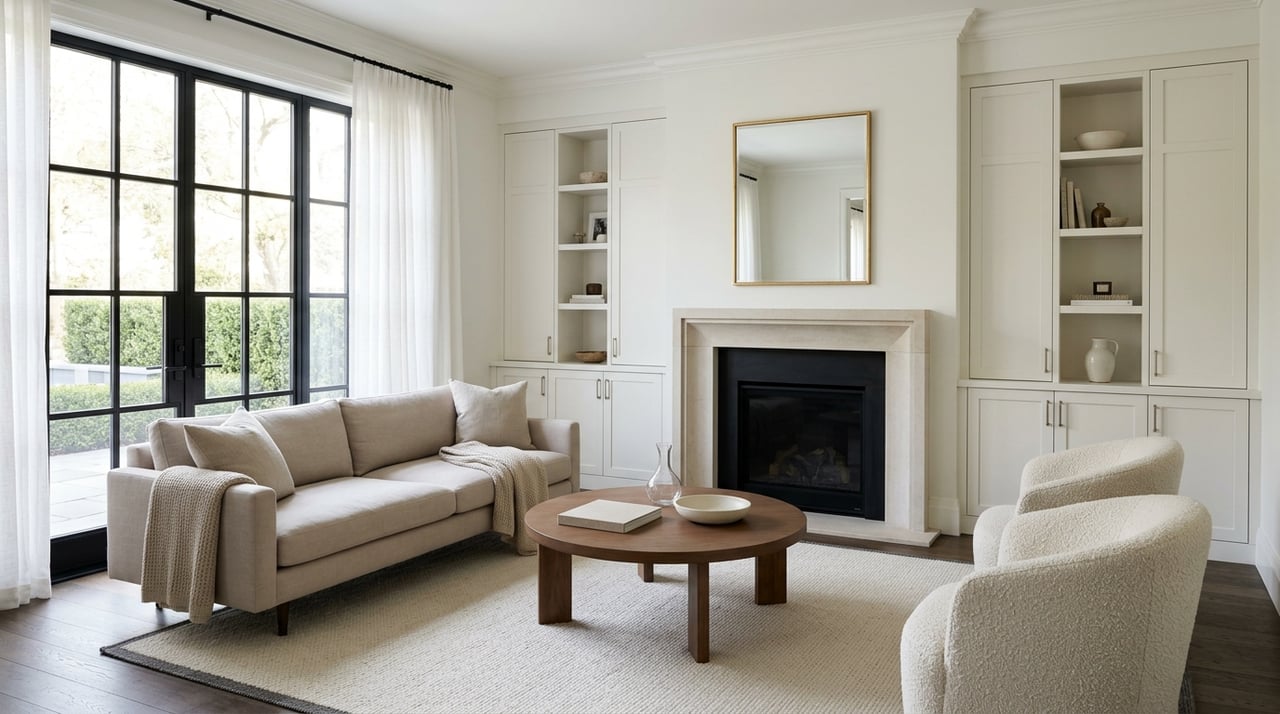
If you are trying to prioritize staging dollars, focus on the spaces buyers notice most. NAR found that buyers’ agents ranked the living room as the most important room to stage, followed by the primary bedroom and kitchen. Sellers’ agents most often staged the living room, primary bedroom, dining room, and kitchen.
That gives you a clear roadmap:
- Living room for first impressions and overall style
- Primary bedroom for comfort and retreat
- Kitchen for function and finish
- Dining room for flow and entertaining potential
In many Baltimore County luxury homes, these are also the spaces that best communicate value. When they are staged well, the rest of the home tends to feel more cohesive.
Show scale, comfort, and flow
One of the biggest mistakes in higher-end homes is assuming empty rooms will automatically feel larger. In reality, buyers often understand scale better when a room is furnished appropriately. Well-sized furniture, intentional art placement, and open walkways help buyers see how a room works.
This matters even more online. Because buyers often preview homes through photos, video, and virtual tours, staging should show how rooms connect and how furniture fits naturally. The goal is not to fill space. It is to help buyers understand the home quickly and confidently.
Keep the look neutral but layered
Luxury staging usually performs best when it feels calm, tailored, and broadly appealing. NAR notes that staging works best when decor aligns with buyer preferences, which is why a restrained palette is typically the safer choice. That does not mean the home should feel flat or generic.
Instead, think in layers. Neutral upholstery, soft textures, balanced lighting, and a few thoughtfully chosen accents can make a home feel refined without feeling overly personal. In Baltimore County’s upper-mid and luxury market, this approach often helps architectural details and finishes do the talking.
Do not overlook curb appeal
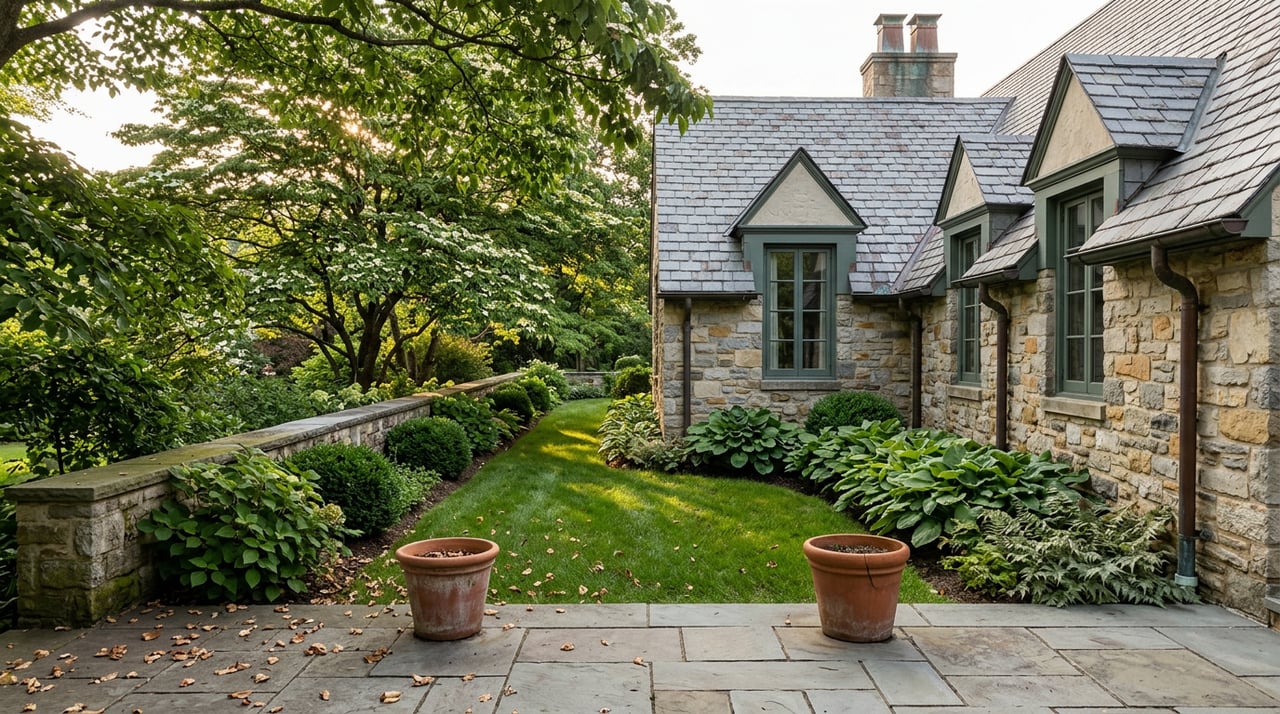
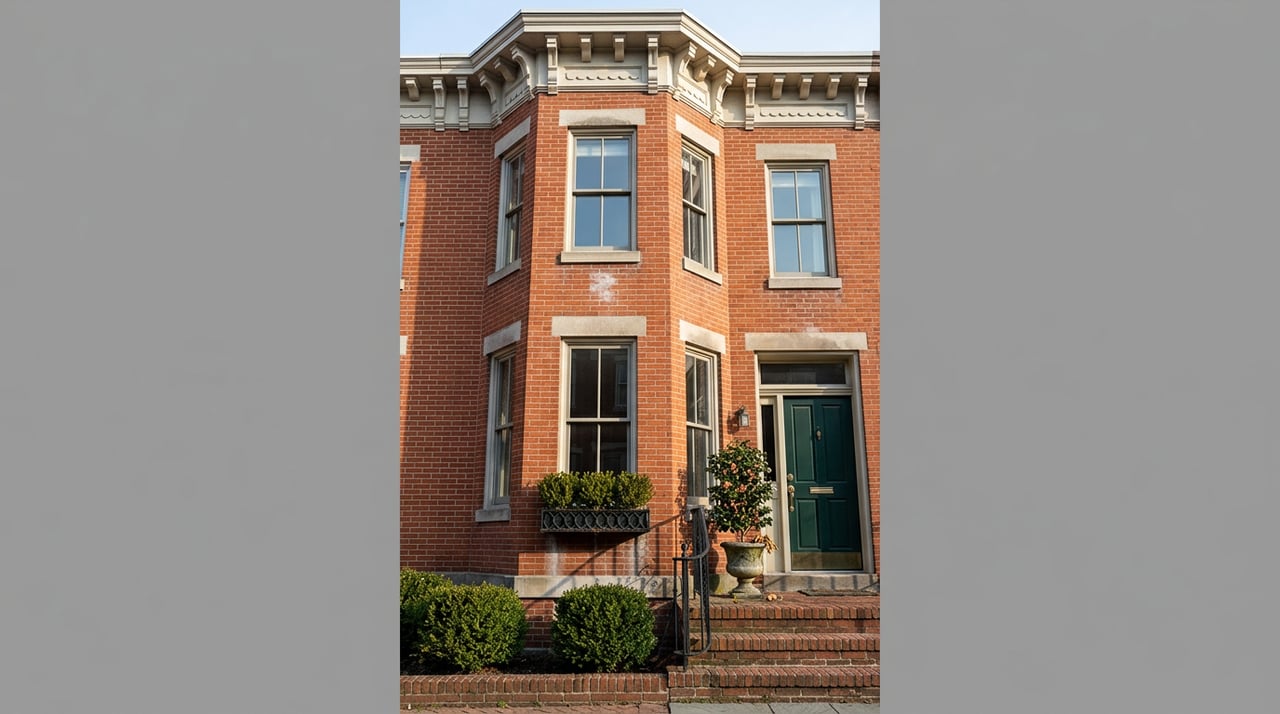
Your exterior sets the tone for everything that follows. Buyers often form their first opinion before they ever reach the front door, and listing photos start there too. NAR’s staging findings show that curb appeal remains one of the most common recommendations from agents.
For a luxury listing, exterior readiness usually includes:
- A clean and welcoming entry
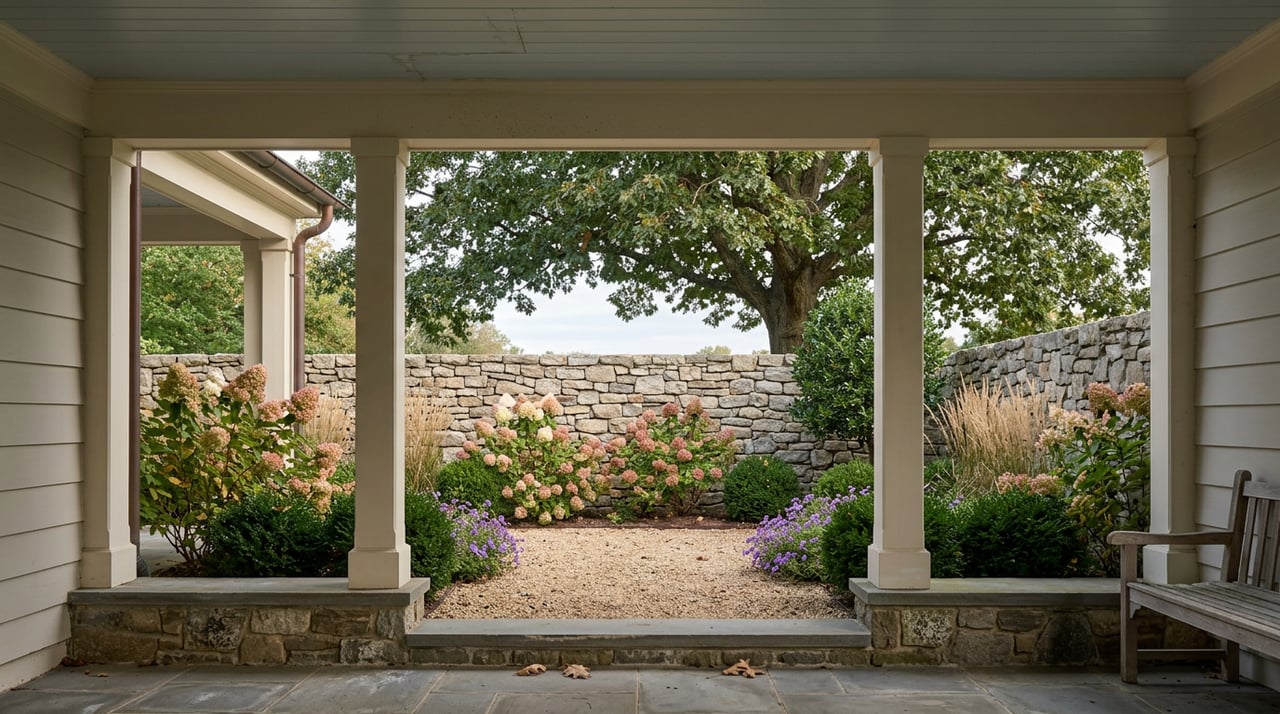
- Trimmed landscaping and tidy hardscaping
- Clear walkways and strong sightlines
- An exterior that feels consistent with the quality shown inside
A polished exterior helps buyers feel that the home has been well cared for, which supports confidence throughout the showing.
Treat photography as part of staging
Staging should be finished before the camera arrives. According to NAR’s consumer guide to home selling, photos and video are a key part of how a home is marketed through the MLS and major home search platforms. If the home is only partially prepared, that weaker version is what buyers will see first.
The best listing launches treat photography, staging, and pricing as one coordinated strategy. NAR’s staging report also found that buyers’ agents place high importance on photos, physical staging, videos, and virtual tours. For luxury homes, strong visuals are not optional. They are part of how you earn attention in a competitive field.
Use virtual tools carefully
Virtual staging and editing can help in some cases, but they should be used with care. NAR reports that sellers’ agents generally considered virtual staging less important than photos, videos, and traditional physical staging. That suggests digital tools are most useful as a supplement, not a replacement.
Accuracy matters just as much as style. In NAR’s article on misleading real estate photos, over-edited images are flagged as a risk because they can disappoint buyers at the showing and even lead to lower offers. Your listing should create excitement, but it should also match reality.
Pair staging with pricing and timing
Even beautiful staging cannot overcome weak pricing or a slow launch. Sellers consistently say they want help marketing the home, pricing it competitively, and selling within a specific timeframe, according to NAR’s 2024 buyer and seller profile. Staging works best when it supports a broader go-to-market plan.
That is especially true in Baltimore County, where the market remains active but not as frenzied as it was in earlier years. Buyers have time to compare, and that means your home needs the right combination of presentation, exposure, and pricing discipline. Staging should enhance your strategy, not stand in for one.
What to budget for staging
Many sellers assume staging will cost far more than it actually does. NAR reported a median cost of $1,500 for a staging service, compared with a median of $500 when the sellers’ agent handled staging directly. For a luxury or upper-mid home, the right level of staging will depend on the property’s condition, size, and existing furnishings.
The real question is not just what staging costs. It is whether the investment helps your home generate stronger interest, better buyer perception, and a more efficient sale. Based on NAR’s data on value and time on market, that answer is often yes.
A faster sale starts with thoughtful presentation
When buyers are comparing premium homes in Baltimore County, details matter. They notice presentation online, they react to flow and scale in person, and they move faster when a home feels polished, clear, and ready. Strategic staging helps your listing do all of that.
If you are preparing to sell a luxury or upper-mid home, the strongest results usually come from a coordinated plan that combines staging, pricing, and high-quality marketing. That is where a design-forward, local approach can make a real difference. If you are ready for tailored guidance, connect with Alisa Goldsmith Properties to schedule a free consultation.
FAQs
Is staging worth it for a Baltimore County luxury home?
- Yes. NAR found that 29% of agents said staging increased the dollar value offered by 1% to 10%, and 49% of sellers’ agents said staging reduced time on market.
Which rooms should you stage first in a Baltimore County luxury listing?
- Start with the living room, primary bedroom, kitchen, and dining room, since these were the spaces buyers and agents most often ranked as priorities.
How much does home staging usually cost for a Baltimore County seller?
- NAR reported a median cost of $1,500 for a staging service, with a lower median of $500 when the sellers’ agent handled staging themselves.
Does virtual staging replace physical staging for luxury homes?
- Usually no. NAR data suggests virtual staging is best used as a supplement, since buyers and sellers tend to rate photos and physical staging as more important.
Why does staging matter more when buyers search online for Baltimore County homes?
- Because many buyers begin online and rely heavily on photos, property details, and floor plans to decide which homes to visit. A well-staged home is more likely to stand out early in that process.