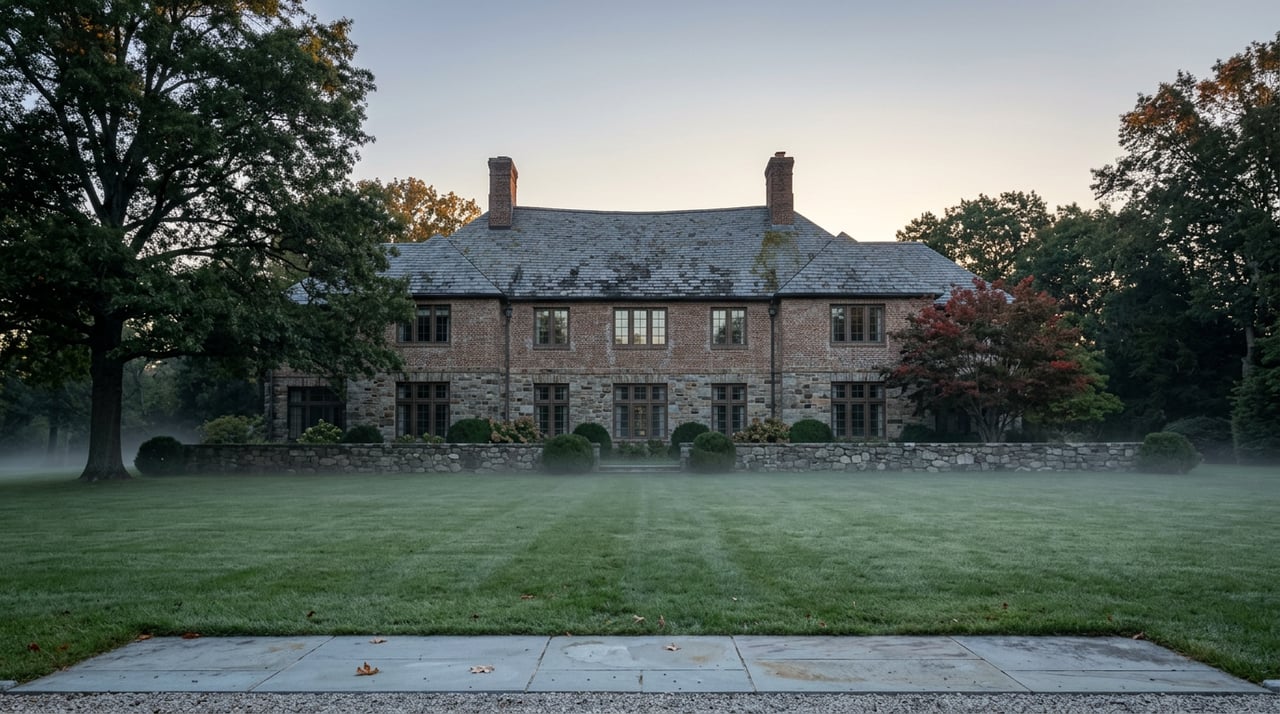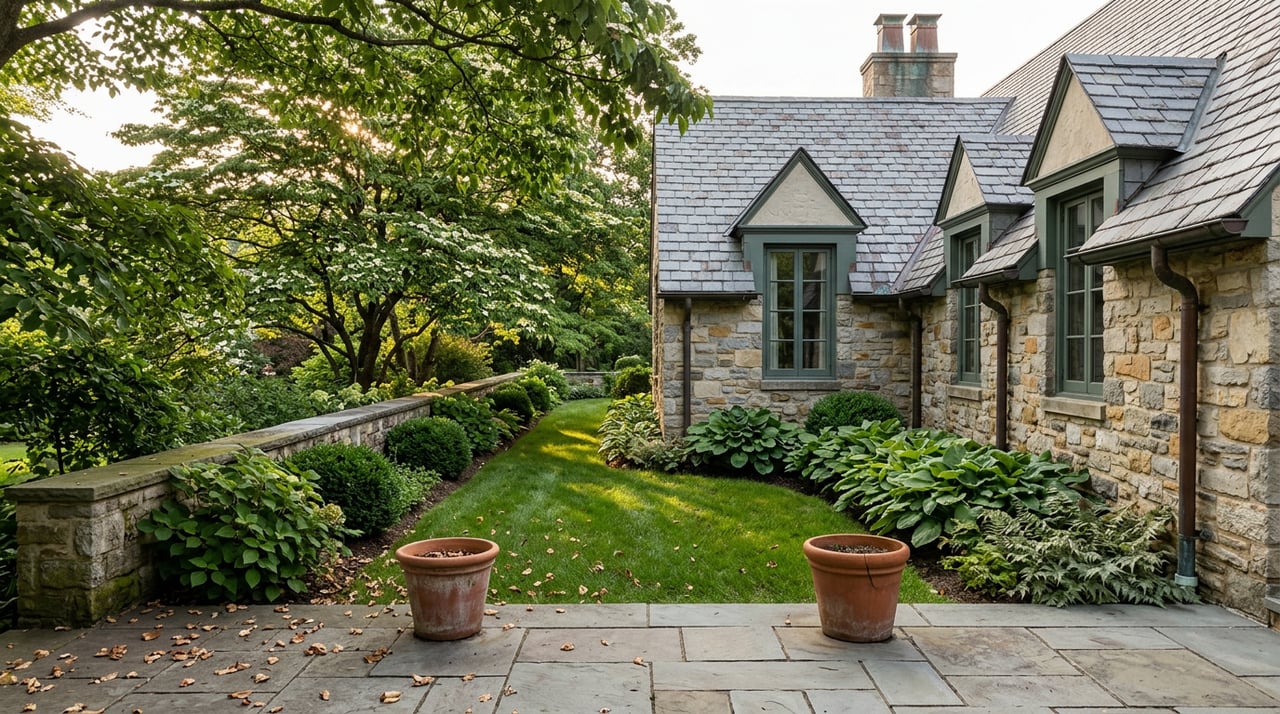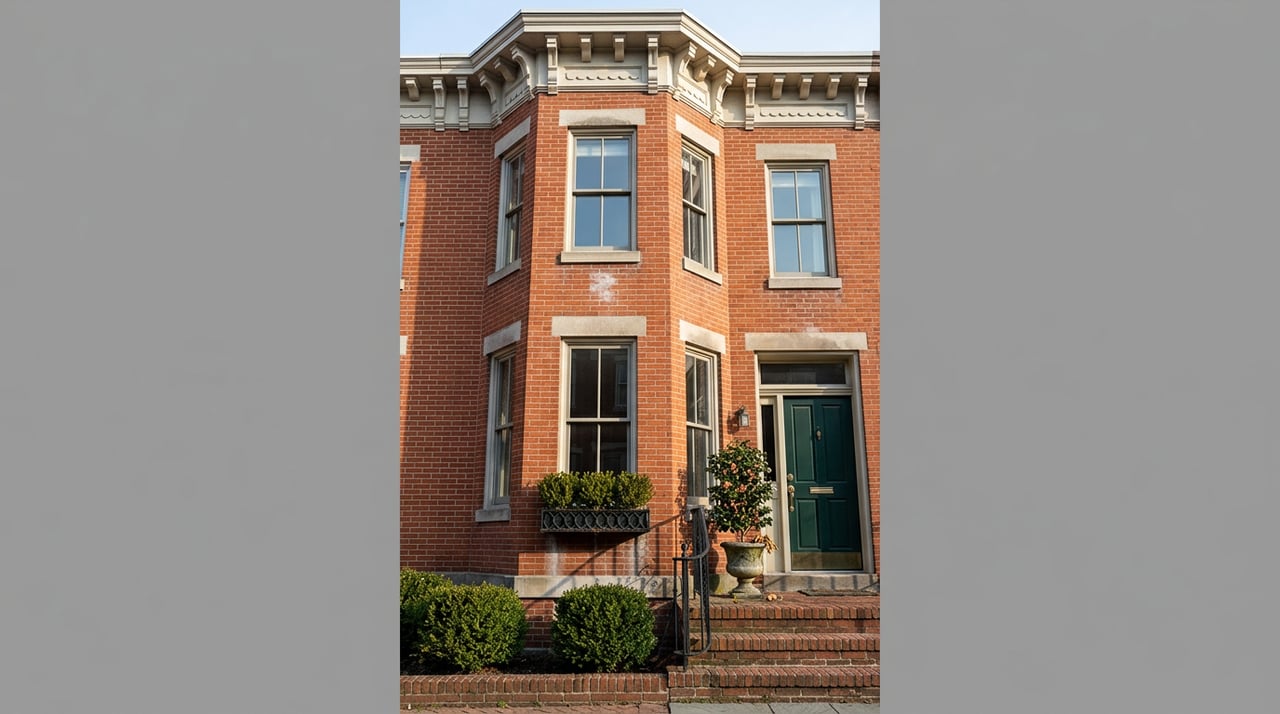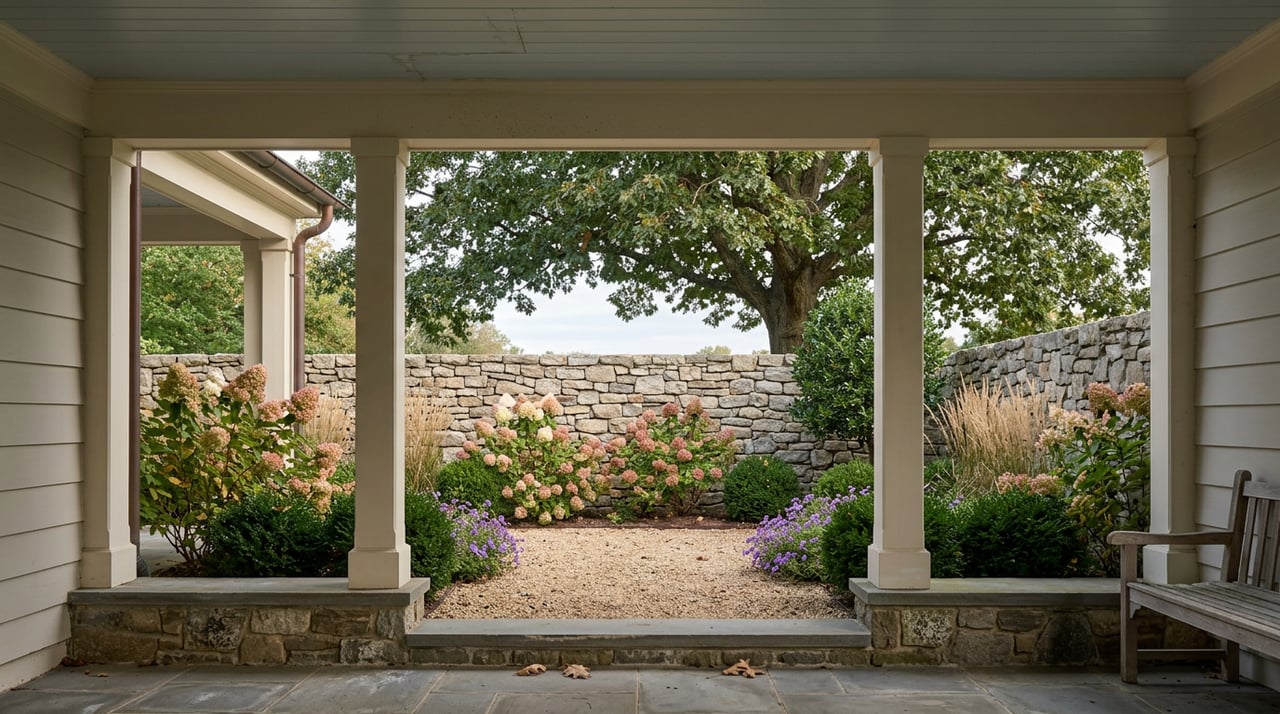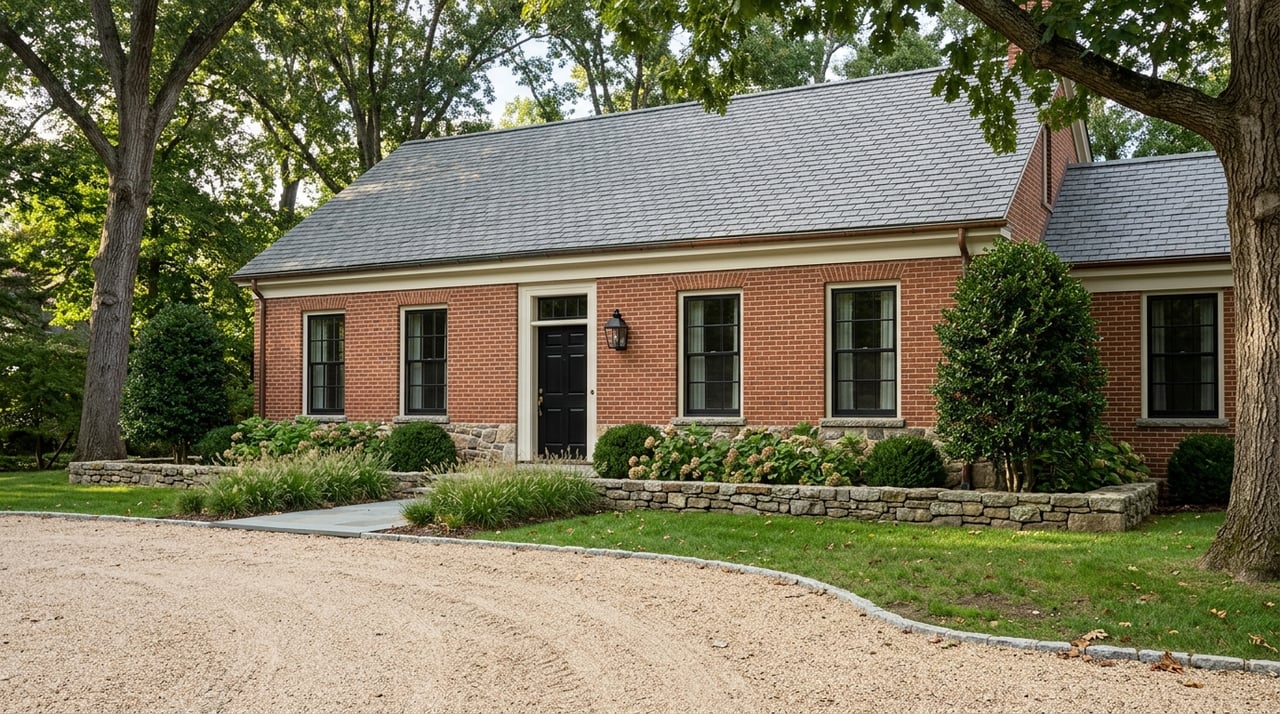
If you picture estate living as gates, formality, and distance from daily life, Monkton may surprise you. Here, country estate living feels less like a showpiece and more like a rhythm shaped by land, history, and the outdoors. If you are wondering what it is actually like to live in this part of northern Baltimore County, this guide will help you picture the pace, setting, and lifestyle that define Monkton. Let’s dive in.
Monkton Feels Like Preserved Countryside
Monkton does not read like a typical suburb. The Maryland Historical Trust describes My Lady’s Manor as a rural and agricultural area with one village, Monkton, established in 1713. That long history still shows up in the landscape today.
The area grew around a water-powered grist mill and later became a station on the Baltimore and Susquehanna and North Central Railroad. In other words, Monkton’s identity came from milling, rail, and crossroads travel, not from modern subdivision growth. That gives the area a very different feel from newer residential communities.
Maryland’s scenic-byways guide describes Monkton as horse-farm country surrounded by well-preserved estates. Entering by way of MD 138, you move through a landscape that feels intentional, open, and rooted in the past. The visual experience is defined more by fields, tree lines, and historic properties than by retail corridors or dense housing blocks.
The Setting Is Quiet, Not Empty
One of the biggest distinctions in Monkton is the sense of quiet. That does not mean isolated in a negative way. It means your surroundings tend to feel calmer, greener, and more spacious than in larger Baltimore County hubs.
For context, Towson and Cockeysville function more as suburban or civic centers within the county. Monkton offers a different kind of appeal, with more land, more privacy, and a stronger agrarian identity while still being part of the north-county road network. If you want room to breathe without losing connection to the wider county, that balance is part of what draws buyers here.
The built environment also supports that feeling. The Maryland Historical Trust notes traditional architecture across the area, including stone, brick, log, and frame structures. Instead of a uniform development pattern, you see a layered rural landscape that reflects different periods without losing its historic character.
Daily Life Has an Outdoor Rhythm
In Monkton, daily life often connects back to the land. The Torrey C. Brown Rail Trail runs 19.7 miles along the former Northern Central Railway and passes through Monkton. Hikers, joggers, bicyclists, horseback riders, and leashed pets are all welcome, which tells you a lot about how people actually use the area.
That trail is not just a recreational feature on a map. It helps shape the local rhythm. A morning walk, bike ride, or ride on horseback fits naturally into the day here in a way that feels harder to replicate in more built-up places.
The equestrian presence is also part of everyday identity. Baltimore County tourism points to the region as a destination for horse lovers and highlights Wellspring of Life Farm in Monkton. State tourism also ties the greater Monkton area to historic horse farms and long-running equestrian traditions.
Equestrian Culture Is Part of the Landscape
Even if you are not an equestrian, you are likely to feel the influence of that culture in Monkton. The surrounding farms, open parcels, and preserved estate landscapes create a setting where horses and riding are part of the visual and seasonal backdrop. It is less about spectacle and more about how the land is used.
The area is associated with annual events such as the Blessing of the Hunt and the My Lady’s Manor Steeplechase. State tourism also notes the Elkridge-Harford Pony Club in the area, described as the oldest continuing Pony Club for youth in the United States. These details reinforce that Monkton is not pretending to be horse country. It has long been part of the place’s identity.
For buyers considering estate properties, that matters. It means the surrounding context often supports a lifestyle centered on acreage, barns, riding access, and open-air recreation, or simply the enjoyment of a preserved rural setting.
The Seasons Shape the Experience
Monkton does not feel busy in the same way all year long. Instead, the calendar moves in seasonal pulses. The My Lady’s Manor Steeplechase takes place in April, and Ladew Topiary Gardens operates on a spring-to-fall schedule.
That seasonality gives the area texture. Spring and fall can feel especially active, with gardens, outdoor gatherings, and trail use bringing people out. Winter and late summer may feel quieter, which is often part of the appeal for buyers seeking a retreat-like atmosphere.
This is an important distinction if you are relocating from a denser suburb or city neighborhood. In Monkton, energy often comes from nature, events, and outdoor routines rather than constant commercial activity. For many buyers, that slower and more grounded pattern is exactly the point.
Gathering Places Are Small-Scale and Local
Country estate living in Monkton does not mean you have no places to stop, meet, or reset. It means those places tend to feel smaller, more local, and more tied to the landscape. That gives the area a strong sense of character.
The Monkton Hotel Café serves coffee, ice cream, and sandwiches to go. The Monkton Hotel itself was built in 1858 as a North Central Railway stop for people leaving the city, and today it also offers bike and tube rentals. That mix of history and casual trail-oriented use says a lot about the local vibe.
Roseda Farm operates a Monkton farm store with local products and lunch service. Inverness Brewing runs on a historic 100-acre Monkton farm and is noted as Baltimore County’s first farm brewery. These are not big-box conveniences, but they are part of what makes life here feel rooted and distinct.
Privacy and Land Stewardship Matter Here
A major part of Monkton’s appeal is privacy, but privacy here is closely tied to preservation. The Maryland Historical Trust says the manor region has been segregated from industrial development and that its landscape still reflects Colonial, antebellum, Victorian, and modern layers without losing the character of the past. That is a rare quality.
Maryland DNR also reports conservation easements protecting open space and forestland in the historic My Lady’s Manor area. It notes that the Manor Conservancy works to preserve the predominantly rural character of northern Baltimore and Harford counties. For homeowners, that helps explain why the area feels so consistently open and composed.
This matters if you value more than square footage. In Monkton, the appeal often includes how a property relates to its setting, from long views and mature trees to fields, gardens, and preserved land nearby. Estate living here is as much about stewardship as it is about ownership.
Gardens and Outdoor Rooms Feel Native to Monkton
In some places, elaborate gardens can feel added on. In Monkton, they feel at home. Ladew Topiary Gardens spans 22 acres and includes more than 100 topiaries, a historic manor house, and a mile-long nature walk.
That local landmark reinforces something buyers often notice right away. Landscape design, outdoor rooms, and groundskeeping are part of the visual language of the area. Gardens are not a niche extra here. They are part of how many properties and public spaces express the region’s identity.
If you are drawn to estate homes for their setting as much as their interiors, Monkton offers a compelling backdrop. Larger parcels, barns, garden spaces, and layered outdoor living areas make sense here because the surrounding landscape already supports that way of living.
Rural Character Still Includes Local Services
People sometimes assume rural living means giving up practical support. Monkton’s setting is rural, but it is not without local infrastructure. Baltimore County lists volunteer fire and ambulance stations in Monkton, which is a useful reminder that essential services are part of the community fabric.
That does not make Monkton feel suburban. It simply means the area combines countryside character with a basic level of local support. For many buyers, that blend makes estate living feel more realistic and livable year-round.
Who Monkton Often Appeals To
Monkton can be especially appealing if you want your home environment to feel like a retreat. You may be drawn to the area if you value privacy, larger parcels, historic character, gardens, equestrian surroundings, or easy access to trails and open space. It can also be a strong fit if you are moving from a more built-up area and want a daily pace that feels quieter and more intentional.
At the same time, Monkton is not for everyone. If your ideal setting centers on dense retail, walkable commercial blocks, or a constant buzz of activity, the area may feel too calm. The lifestyle here is defined more by landscape and season than by nonstop convenience.
That is why local guidance matters. Understanding Monkton is not just about price point or property size. It is about knowing whether the setting, pace, and land use patterns fit the way you want to live.
What Country Estate Living Really Means Here
In Monkton, country estate living is not just about owning a beautiful house. It is about waking up in a place where the historic landscape still shapes the present, where trails and horse farms are part of the everyday backdrop, and where privacy often comes with a strong sense of stewardship. The feeling is less country-club luxury and more enduring retreat.
For buyers and sellers alike, that distinction is important. Monkton offers a lifestyle that is hard to replicate in more conventional suburbs, and presenting it well requires more than standard real estate language. It takes local knowledge, clear positioning, and an understanding of what makes this landscape so special.
If you are considering buying or selling in Monkton and want thoughtful guidance on how to navigate this unique market, Alisa Goldsmith Properties can help you make a confident move.
FAQs
What does country estate living in Monkton feel like day to day?
- It typically feels quiet, outdoorsy, and seasonal, with daily life shaped more by open land, trails, horse-farm surroundings, and local gathering spots than by dense suburban activity.
How is Monkton different from other Baltimore County suburbs?
- Monkton offers a more rural and agricultural setting, with more land, privacy, and historic landscape character than larger suburban centers such as Towson or Cockeysville.
Is Monkton known for equestrian living?
- Yes. The area is closely tied to horse farms, riding culture, and equestrian traditions such as the My Lady’s Manor Steeplechase and the Blessing of the Hunt.
What outdoor amenities are available in Monkton?
- Monkton includes access to the Torrey C. Brown Rail Trail, which welcomes hiking, jogging, bicycling, horseback riding, and leashed pets, along with destinations such as Ladew Topiary Gardens.
Does Monkton have a strong sense of preservation?
- Yes. The historic My Lady’s Manor area has remained largely rural, and conservation efforts in the region help protect open space and forestland.
Are there local places to visit in Monkton?
- Yes. Local stops include the Monkton Hotel Café, Roseda Farm’s Monkton store, Inverness Brewing, and Ladew Topiary Gardens, each of which reflects the area’s rural and historic character.