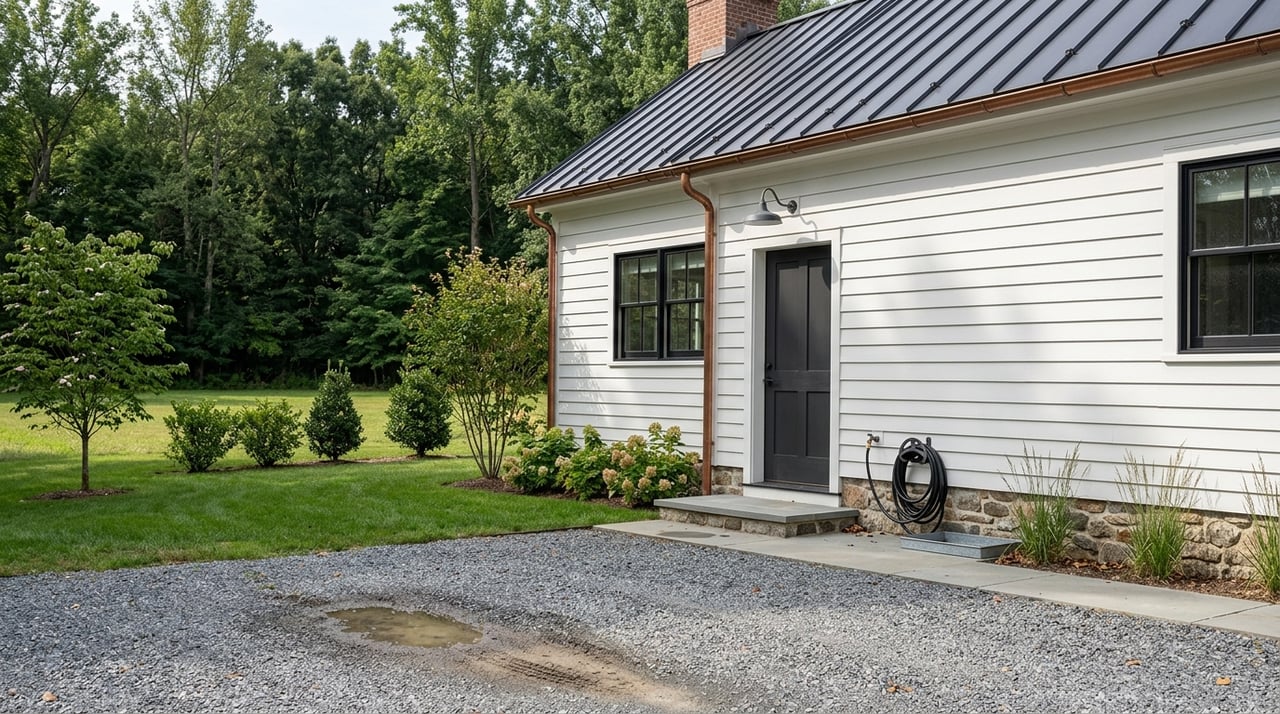
Buying a farm property in Worthington Valley is not the same as buying a typical house on a large lot. In this part of northern Baltimore County, the land often carries just as much weight as the home itself, and the details behind that land can shape how you live on it. If you are considering a farm or mini-farm in Worthington Woodsyde, this guide will help you focus on the questions that matter most before you make an offer. Let’s dive in.
Why Worthington Valley Needs a Different Approach
Worthington Valley is widely recognized for its long-standing rural character. The Maryland Historical Trust describes the area as an undeveloped agricultural district with a rural atmosphere that has remained largely unchanged for more than 200 years, with land divided among farms and horse properties.
That setting is part of the appeal, but it also means your checklist needs to go beyond kitchens, baths, and finishes. On a farm property, you also need to understand how the land functions, what the outbuildings support, and what legal restrictions may affect future use.
For many buyers, this is where the process becomes more nuanced. A beautiful house can catch your eye, but pasture condition, barn utility, driveway access, well performance, septic history, and recorded easements may have a bigger impact on daily life and long-term value.
Check Zoning Before You Fall in Love
Zoning shapes what you can do
Before you make an offer, confirm the parcel’s current zoning through Baltimore County. The county states that zoning controls permitted uses, intensity, setbacks, and height, so you should not assume that rural land can be used freely just because it looks open or agricultural.
In many rural parts of Baltimore County, parcels may fall within resource-conservation zoning such as RC-2. According to the county’s zoning materials, uses permitted by right in RC-2 include Farm, Farmette, Single-Family Detached Dwelling, Farmer’s Roadside Stand, and Tenant House.
That does not mean every farm-related use is automatic. The same county materials note that uses such as Farm Market, Landscape Operation, Animal Boarding Place, and Agricultural Support Uses may require a special exception.
Special plans may trigger extra review
If you plan to board horses or offer riding instruction, licensing may be part of the conversation. Baltimore County lists riding or boarding stables among operations covered by holding-facility licenses.
This matters because your intended use may go beyond simply owning land and keeping animals for personal use. If your goals include income-producing or service-related activities, you will want to verify those rules early, not after inspections are complete.
Review Easements and Deed Restrictions Carefully
Preservation rules can be permanent
Some farm properties in Worthington Valley may be subject to agricultural land preservation easements. Baltimore County’s agricultural preservation application states that this type of easement is a deed restriction in perpetuity.
That is a major point for any buyer. A preservation easement can affect what you may build, subdivide, alter, or change over time, even if the property appears flexible at first glance.
Ask what the land is allowed to become
When you review a property, do not just ask what it is today. Ask what it is legally allowed to become later.
County materials show that Baltimore County uses recorded preservation tools to protect rural land long term. If a property is already encumbered, review the deed, title documents, and any recorded restrictions closely so you understand the limits before moving forward.
Some preserved properties may also require a Soil Conservation and Water Quality Plan. For wooded tracts of ten or more contiguous acres, a Forest Stewardship Plan may also be required.
Pay Close Attention to Well and Septic Systems
Private wells need active oversight
Many farm properties in Maryland rely on private wells. The Maryland Department of the Environment says well owners are responsible for their own drinking water safety and recommends annual testing for total coliform bacteria, nitrates, total dissolved solids, and pH.
That means well quality is not something to treat as a background issue. You should ask for records, testing history, well age if available, and details on any recent upgrades or repairs.
If you are thinking about future improvements, keep in mind that MDE states any new well in Maryland requires a well-construction permit. That can affect both planning and cost.
Septic condition can affect the whole purchase
Septic systems deserve the same level of scrutiny. MDE requires property-transfer inspections for on-site sewage disposal systems to be completed by a licensed inspector.
Beyond the transfer inspection, maintenance history matters. Typical household septic systems should be inspected every one to three years and pumped every three to five years, with some advanced systems needing more frequent service.
If records are incomplete, ask more questions, not fewer. A neglected septic system can quickly become one of the most expensive surprises on a rural property.
Evaluate the Land Like an Asset
Fields, paddocks, and wet areas matter
On a farm property, the land is part of the value story. Baltimore County’s agricultural-verification form asks whether work will occur outside wetlands, watercourses, floodplains, buffers, and habitat-protection areas, which gives buyers a practical framework for evaluating how usable the land may be.
If you are planning fencing, paddocks, new structures, or drainage improvements, those site conditions matter. A parcel may look expansive on a listing sheet but have physical or regulatory constraints that limit how much of it functions the way you expect.
Agricultural status may affect use and cost
The same county verification form also asks whether the property qualifies for agricultural preferential assessment and whether it has an approved farm plan that is less than 10 years old. Those details can influence both current use and future planning.
Maryland’s agricultural-use assessment applies to land actively devoted to farm or agricultural use, not the homesite. The State Department of Assessments and Taxation also warns that changes in use or violations tied to agricultural assessment can trigger agricultural transfer-tax consequences.
That makes it important to confirm how the parcel is currently assessed and what may happen if your use changes later.
Inspect Barns and Outbuildings Beyond Appearance
Utility matters more than charm
A classic barn can be one of the most attractive features on a Worthington Valley property, but appearance alone is not enough. You should verify how each outbuilding is classified, whether it was properly permitted where required, and how it is actually serviced.
Baltimore County’s agricultural-verification form specifically asks whether an agricultural building is designed only to house farm implements, hay, grain, poultry, livestock, or horticultural products. The form is also used for zoning, building, and grading review.
Permits may still apply
Even when a building supports agricultural use, not every improvement is exempt from review. The county notes that electrical, plumbing, and gasfitting permits are still required.
Baltimore County also states that accessory structures over 120 square feet require permits. If the property includes sheds, run-ins, workshops, or detached utility buildings, confirm what was approved and what may need further review.
Confirm Access, Boundaries, and Fencing Rules
Rural access can be more complex
Driveway layout, gate placement, and equipment access often matter more on a farm parcel than on a standard suburban lot. You should understand how vehicles, trailers, service providers, and emergency access work across the site.
Property boundaries are just as important. Baltimore County’s fence guidance says access or walkway easements may not be fenced, and the county strongly suggests getting a survey if property lines are uncertain.
Fence plans may need permits
If fencing is part of your plan, check the rules before installation. Baltimore County says fences higher than 42 inches require a permit.
For buyers considering horses or livestock, that is an easy detail to overlook. It is much better to verify height, location, and boundary conditions early than to fix a problem after closing.
Budget for Ongoing Farm Property Upkeep
Owning a farm property often comes with recurring responsibilities that differ from a conventional home. Regular well testing, septic inspections, and system maintenance should be part of your annual ownership plan, not just your pre-closing checklist.
You should also budget for fence repair, drainage work, and careful recordkeeping for permits, wells, septic systems, and easements. On a rural property, good documentation can save time and stress when you need repairs, plan improvements, or eventually sell.
This is one reason thoughtful due diligence matters so much in Worthington Valley. The right property can offer exceptional privacy, beauty, and flexibility, but it usually works best for buyers who understand the full scope of ownership from day one.
Compare Nearby Rural Alternatives
If you love the countryside feel but are still narrowing your search, it may help to compare Worthington Valley with nearby areas that offer a similar setting. VisitMaryland groups Worthington Valley with other Baltimore County horse-country areas, including Green Spring Valley, Long Green Valley, and the Hereford/Monkton corridor.
That does not mean they are interchangeable. It simply means they can be useful reference points if you are weighing the right mix of land, access, upkeep, and lifestyle for your next move.
Buying a farm property in Worthington Woodsyde can be incredibly rewarding when the home, land, and legal framework all align with your goals. If you want a clear-eyed approach to evaluating rural properties in northern Baltimore County, Alisa Goldsmith Properties offers the local guidance and hands-on support to help you move forward with confidence.
FAQs
What should you check first when buying a farm property in Worthington Valley?
- Start with zoning, easements, well and septic status, and how the land is actually usable for your intended needs.
What zoning issues matter for farm properties in Baltimore County?
- Baltimore County zoning controls permitted uses, setbacks, height, and intensity, so you should verify the current zoning and whether any planned use needs a special exception.
What does an agricultural preservation easement mean for a Worthington Valley buyer?
- It means the property may be subject to deed restrictions in perpetuity that can limit future changes, subdivision, or development.
What should you know about wells on Maryland farm properties?
- Private well owners are responsible for water safety, and MDE recommends annual testing for total coliform bacteria, nitrates, total dissolved solids, and pH.
What should you know about septic systems when buying a rural property in Baltimore County?
- MDE requires a property-transfer inspection by a licensed inspector, and long-term maintenance records are important because septic systems need regular inspection and pumping.
Do barns and outbuildings need permits on farm properties in Worthington Woodsyde?
- In many cases, yes. Baltimore County states accessory structures over 120 square feet require permits, and electrical, plumbing, and gasfitting permits may also apply.
Can you fence any part of a farm property in Baltimore County?
- Not automatically. Baltimore County says fences higher than 42 inches require a permit, and access or walkway easements may not be fenced.