If you want room to breathe without feeling cut off from Baltimore, Worthington Valley stands out fast. This is a place where open land, historic character, and estate-style living still shape the experience in a way that feels rare in Baltimore County. If you are considering a move here, or thinking about selling a property in this area, understanding what makes the valley different can help you make a smarter decision. Let’s dive in.
Why Worthington Valley Feels Different
Worthington Valley is known for its rural landscape, historic identity, and large-property setting. The area is part of a National Register historic district in Baltimore County, and the historic record describes a landscape of open spaces, fields, pastures, woodlands, hills, and streams.
One reason the area still feels so open is that many owners kept large tracts intact instead of subdividing them. That pattern helped preserve the valley’s agricultural character over time. Baltimore County’s broader land preservation efforts have also supported the surrounding farmland and stream valleys.
For you as a buyer, that means Worthington Valley does not read like a standard suburban neighborhood. For you as a seller, it means buyers are often drawn here for a specific lifestyle that combines privacy, land, and lasting character.
Location and Access Near Baltimore
One of the biggest surprises for many buyers is how close Worthington Valley is to the city. The historic record places the valley about 10 miles from Baltimore City’s northern limits and notes that it is within commuting range of Baltimore.
That balance matters. You can enjoy a more rural setting while still keeping access to the broader Baltimore area for work, dining, and daily routines. For relocating buyers in particular, that mix of convenience and space is often a major reason the area gets short-listed.
Homes in Worthington Valley
Estate Homes Over Tract Housing
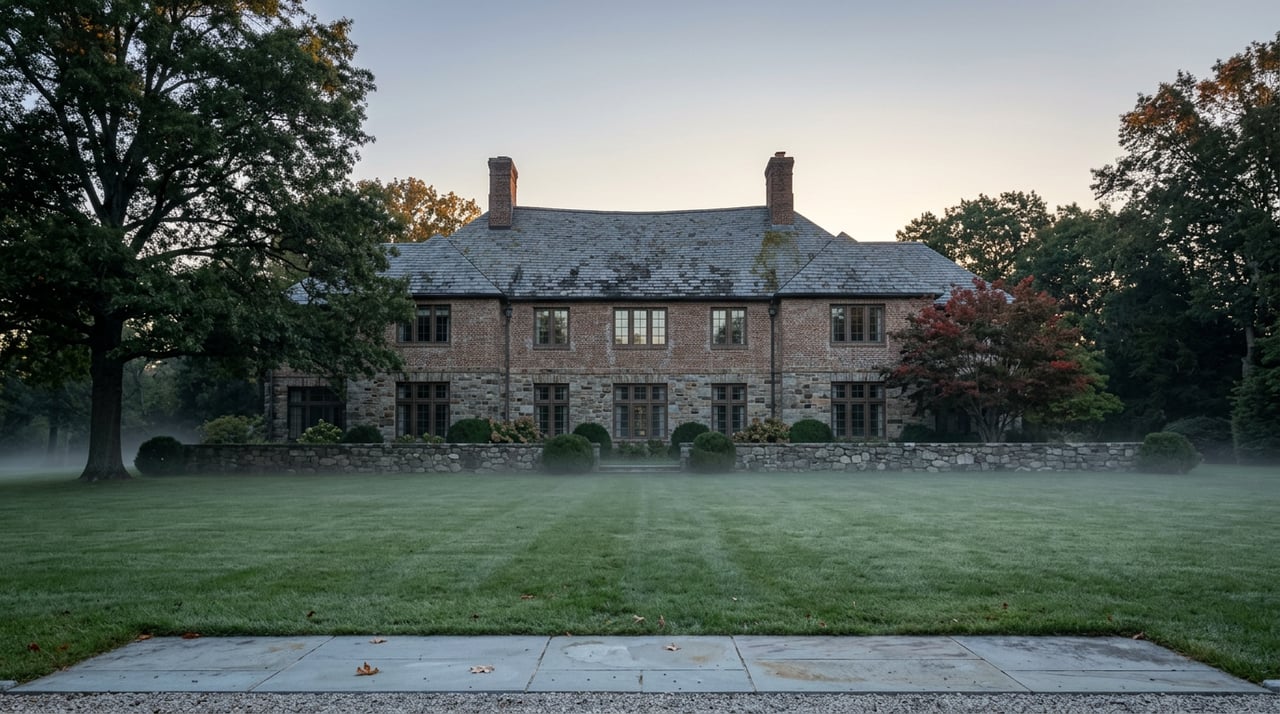
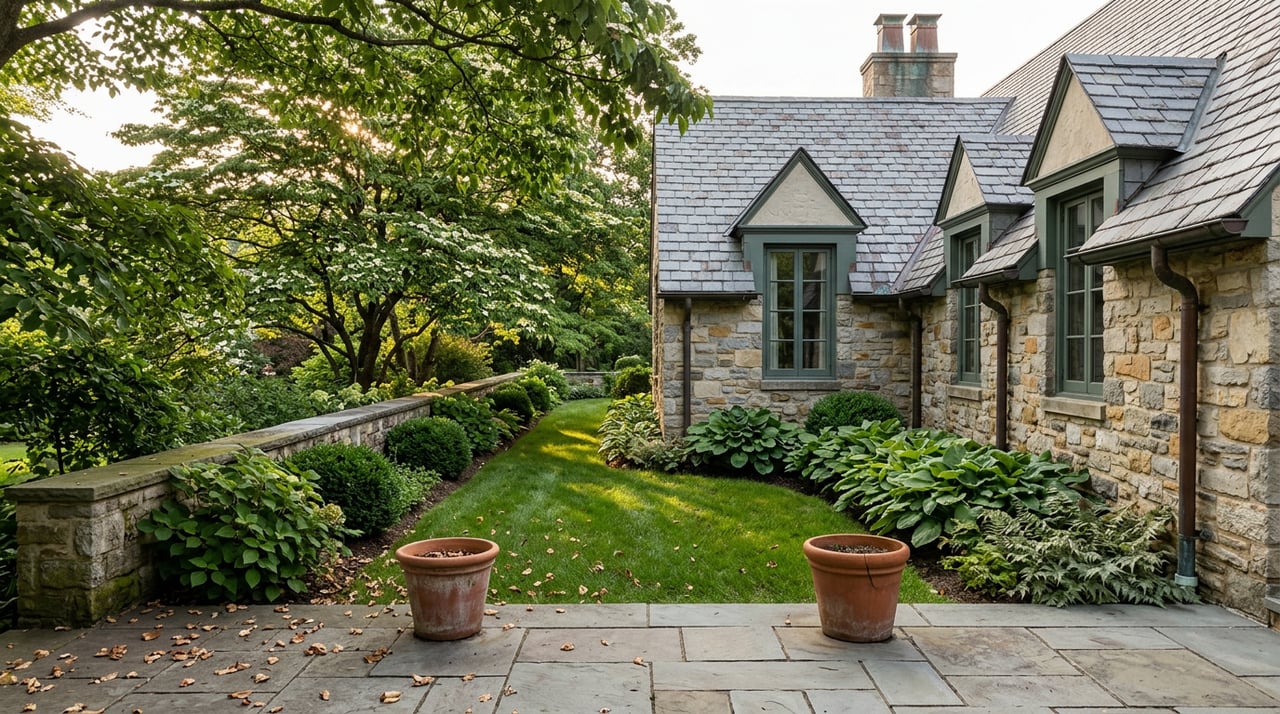
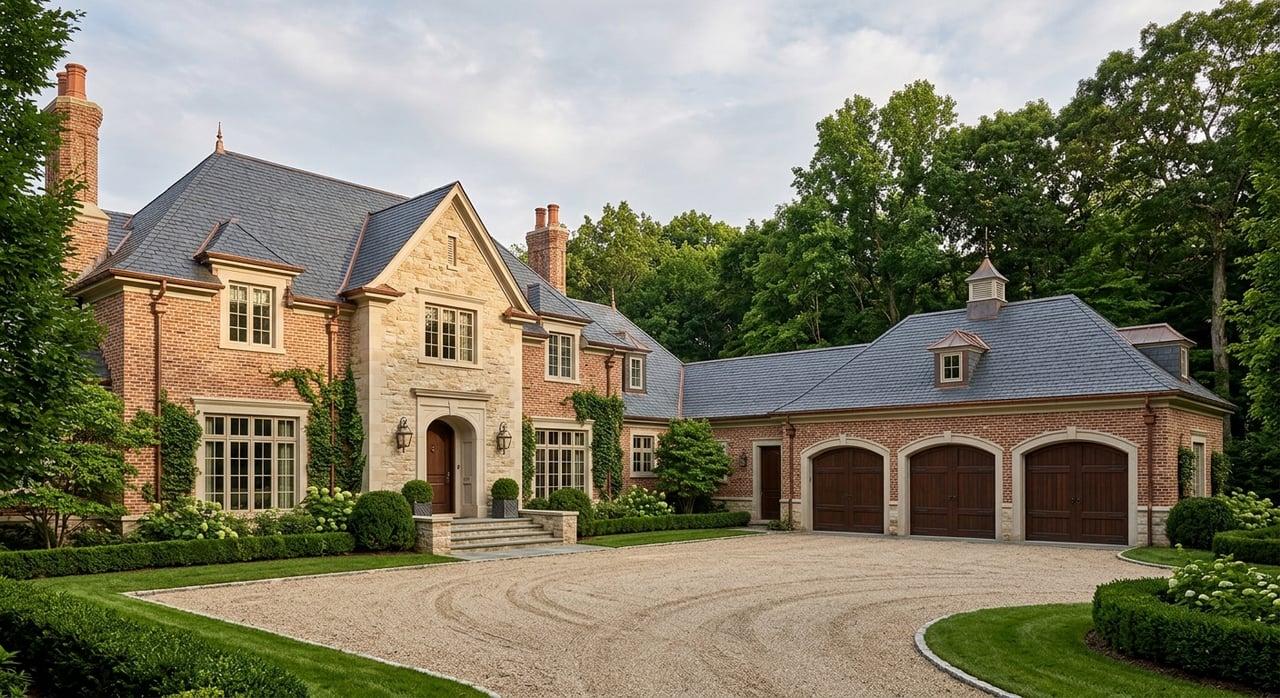
Worthington Valley is an acreage market, not a typical subdivision market. The architectural mix includes late-18th-century farmhouses, simple 19th-century dwellings, 20th-century houses that follow older forms, and later custom homes designed to fit traditional materials and proportions.
In practical terms, you are more likely to find farmhouses, manor-style homes, and custom estates than rows of similar tract houses. That creates a more varied housing stock and a stronger sense of individuality from one property to the next.
What Lot Sizes Look Like
Recent estate-home examples in the area include parcels around 1.03, 1.18, 1.76, 2.07, and 2.2 acres. The market also includes much larger holdings, such as 9.8, 12, and 16.4 acres.
That wide range is important if you are narrowing your search. Some buyers want a manageable estate setting with a little extra elbow room, while others are looking for a true acreage property with more land for recreation, animals, or long-term privacy.
The Equestrian Identity of the Area
Horse Country Is Part of Daily Life
Equestrian use is central to Worthington Valley’s identity. The historic record states that the land is devoted to horse and cattle breeding and notes 16 registered thoroughbred horse farms in the district.
The area is also recognized as part of Maryland horse country. Regional highlights tied to this identity include the Maryland Hunt Cup, the Grand National Steeplechase, Shawan Downs, and Sagamore Farm.
For buyers, this shapes more than scenery. It influences how properties are used, how the landscape feels, and why many estates here include features that support a horse-oriented lifestyle.
What You May See on Properties
Current estate listings in the area often market features such as barns, tack rooms, fenced pastures, horse pastures, and ponds. Not every property will include this infrastructure, but these are common elements in the broader market.
If horses are part of your plans, you will want to look closely at the details of each property. The land itself matters, but so do existing improvements, layout, and how the property connects to your intended use.
Outdoor Recreation Beyond Private Land
Worthington Valley’s appeal also extends to outdoor access nearby. The Torrey C. Brown Rail Trail is a roughly 20-mile rail trail that welcomes horseback riders, which is a meaningful feature for riders who want public trail options.
Gunpowder Falls State Park’s Hereford Area offers more than 20 miles of wooded trails, with equestrian use allowed on some routes. That said, trail access is not the same everywhere, and nearby parks have different rules.
Oregon Ridge Park, for example, offers hiking and nature trails but does not allow horses. If public riding access is part of your decision-making, it is worth confirming trail permissions and practical access on a property-by-property basis.
Nearby county destinations also reinforce the area’s rural identity. The Center for Maryland Agriculture and Farm Park and the Maryland Horse Library and Education Center in Reisterstown add to the agricultural and equestrian context that many buyers value here.
What Buyers Should Know Before Purchasing
Historic Review Matters
Because Worthington Valley includes historic district properties, preservation review is one of the most important due-diligence topics. Baltimore County states that historic district properties are subject to Historic Review for certain exterior alterations or site modifications.
Separate permits are required for exterior work, including fences and accessory structures. If you are planning updates, additions, or changes to site features, this is something to understand early in the process.
Tax Credit Potential May Apply
Qualifying National Register properties or contributing resources may also be eligible for rehabilitation tax credits. That can be an important point for buyers considering restoration or renovation work.
Eligibility depends on the specific property and the nature of the work, so this is not something to assume. It is, however, a useful question to raise when evaluating an older or historically significant home.
Match the Property to Your Goals
In a market like Worthington Valley, two homes with similar square footage can offer very different lifestyles. One property may be a traditional estate with manageable acreage, while another may be set up for agricultural or equestrian use.
That is why your search should go beyond bedrooms and bathrooms. Land use, improvements, maintenance expectations, and preservation considerations can all play a major role in whether a property truly fits your needs.
What Sellers Should Keep in Mind
If you are selling in Worthington Valley, your home is rarely just competing on size alone. Buyers are often evaluating the full setting, including acreage, architecture, privacy, outdoor amenities, and how well the property expresses the area’s country-estate character.
Presentation matters in this kind of market. A home with strong visual storytelling, thoughtful staging, and clear positioning can help buyers understand not just the house, but the lifestyle that comes with it.
For estate and premium properties especially, polished marketing can make a meaningful difference. In a location where no two homes are exactly alike, a strategic, design-aware approach helps bring the property’s distinct value into focus.
Why Worthington Valley Appeals to Baltimore-Area Buyers
For many buyers, Worthington Valley offers a combination that is hard to find elsewhere. You get proximity to Baltimore, a preserved rural setting, a housing stock filled with architectural variety, and a market that still values land.
You may also find that the area suits different kinds of buyers for different reasons. Some are drawn to historic homes, some to custom estates, and some to the equestrian atmosphere and access to open space. What connects them is a desire for a property with presence, privacy, and a sense of place.
If that is the kind of move you are considering, Worthington Valley deserves a closer look. And if you already own there, it helps to work with a team that understands how to position a home in a market where lifestyle and setting are just as important as square footage.
If you are thinking about buying or selling in Worthington Valley, Alisa Goldsmith Properties offers boutique guidance, polished marketing, and local expertise tailored to Baltimore County’s estate and lifestyle-driven markets.
FAQs
Is Worthington Valley close to Baltimore for commuting?
- Yes. The historic record places Worthington Valley about 10 miles from Baltimore City’s northern limits and describes it as being within commuting range of the city.
What types of homes are common in Worthington Valley?
- The area includes farmhouses, manor-style homes, traditional custom estates, older dwellings, and later houses designed to reflect older architectural forms.
How much land do homes in Worthington Valley usually have?
- Worthington Valley is an acreage-based market. Recent examples include estate lots around 1 to 2 acres, along with larger holdings of 10 or more acres.
Can you keep horses on a Worthington Valley property?
- Often, yes, depending on the specific property. Many area estates include features like barns, tack rooms, fenced pastures, and ponds, but you should confirm infrastructure and property-specific suitability.
Are there historic district rules for Worthington Valley homes?
- Yes. Some properties are subject to Baltimore County Historic Review for certain exterior changes or site modifications, and separate permits may be required for work such as fences and accessory structures.
Are there public trails near Worthington Valley for horseback riding?
- Yes, some nearby options support equestrian use. The Torrey C. Brown Rail Trail welcomes horseback riders, and some trails in Gunpowder Falls State Park’s Hereford Area allow equestrian use, but rules vary by location.