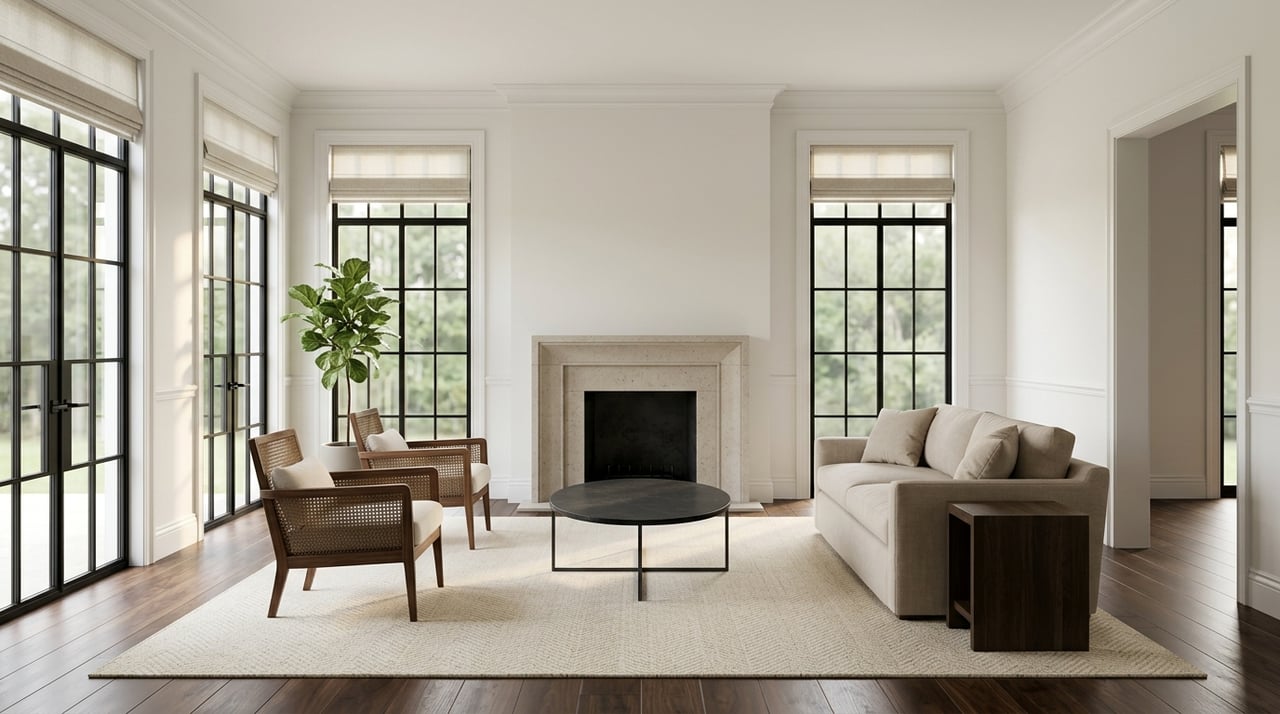
If you own property in Worthington Valley, you are not selling into a typical Baltimore County market. You are selling in a rare estate setting where acreage, privacy, views, and first impressions can matter just as much as square footage or kitchen finishes. If you are thinking about listing in the next year, understanding how this niche market behaves can help you price more confidently, prepare more strategically, and avoid costly missteps. Let’s dive in.
Worthington Valley Is Its Own Market
Worthington Valley is best understood as a historic rural estate and farm district, not a standard suburban neighborhood. The Maryland Historical Trust describes it as an undeveloped agricultural landscape in northern Baltimore County with open space, long views, and farms that can stretch from 200 to 300 acres.
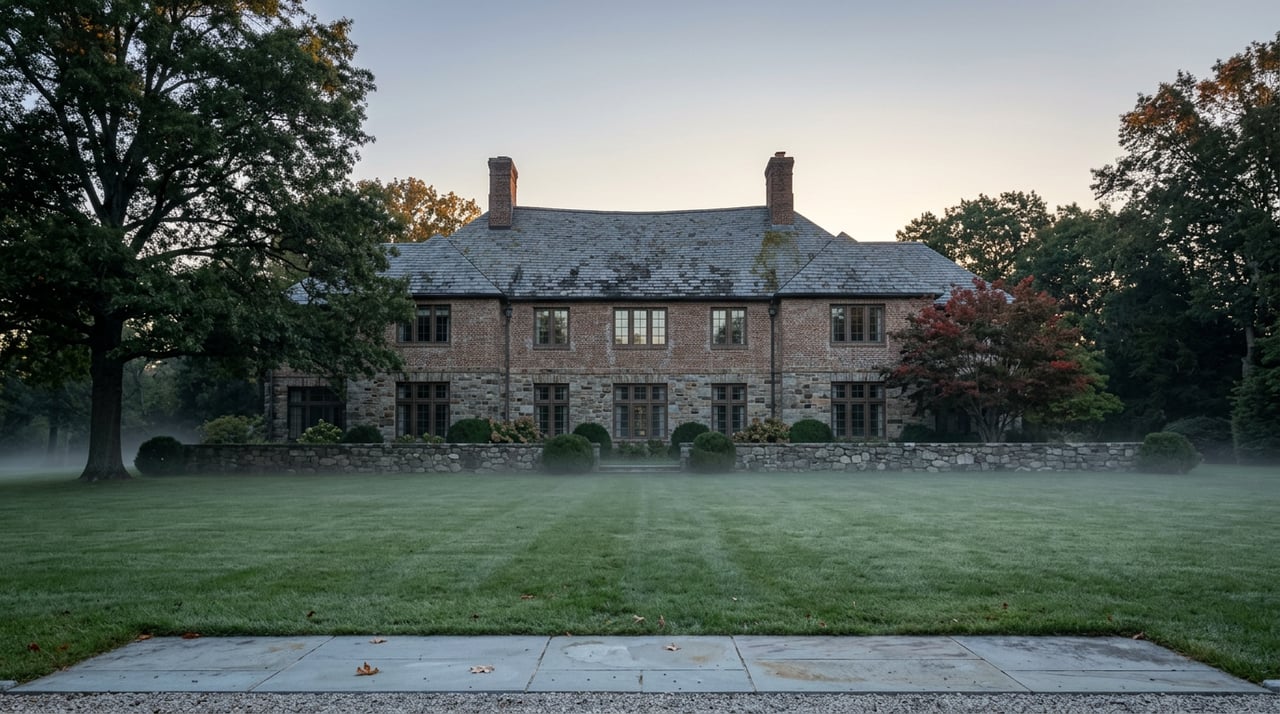
That context matters when you sell. Buyers are often evaluating the full experience of the property, including land, setting, approach, privacy, and how the home fits into the landscape. In a market like this, presentation goes far beyond staging the living room.
The area also has a legacy feel that shapes inventory. The Maryland Historical Trust notes that many properties are inherited and that the valley has remained largely unchanged for more than two centuries. That makes each listing feel more individual, which can create opportunity for sellers but also makes pricing and positioning more nuanced.
Today’s Inventory Is Small and Luxury-Focused
One of the clearest signs that Worthington Valley operates differently is the size and price range of its active inventory. Current portal data show only 14 homes for sale on Zillow’s Worthington Valley page, with visible listings ranging from a 43.66-acre lot at $1.2 million to estates priced at $4.95 million, $9.95 million, $10.2 million, and $16.5 million.
That places the visible market firmly in the luxury category. Nationally, the luxury entry threshold was $1,274,423 in April 2026, and many Worthington Valley listings sit well above that level.
For you as a seller, this means two things. First, your buyer pool is narrower than it would be in a more typical suburban market. Second, every listing competes on quality, presentation, and price logic, not just on location alone.
Market Pace Can Be Uneven
Luxury sellers often assume a distinctive property will sell quickly because there is nothing exactly like it. In Worthington Valley, the data suggest a more measured reality.
Recent examples show a wide spread in market time. A $624,900 Worthington Valley Estates home appeared on Realtor.com for 28 days, while the $16.5 million Sagamore Farm listing showed 76 days on market. A 235-acre estate priced at $10.2 million has been listed for 799 days, and a $4.95 million listing on Zillow has been active for 311 days.
The takeaway is simple: uniqueness does not guarantee speed. In a niche estate market, buyers may be highly motivated, but they are also selective. If the pricing, condition, or property story does not align with buyer expectations, even exceptional homes can sit.
County Trends Help, But Only So Much
At the county level, Baltimore County remained a seller’s market in May 2026. There were about 2,700 active listings, the median listing price was $399,900, the median sold price was $370,000, and median days on market were 26. Homes sold for approximately the asking price on average.
The broader 21136 ZIP code also moved fairly efficiently, with 123 active listings, a median listing price of $445,000, and a median of 28 days on market. Homes there also sold for about asking on average in May 2026.
Still, those numbers only offer background context for a Worthington Valley seller. Estate properties here sit far above the county and ZIP medians, and the small number of active listings makes broad averages less useful for pricing a one-of-a-kind home. This is a true micro-market, and that means your strategy should be tailored to your property, not borrowed from general suburban trends.
Nearby Areas Offer Useful Perspective
If you are trying to understand where Worthington Valley fits, nearby estate corridors can offer a rough frame of reference.
Green Spring Valley is even thinner from a data standpoint. Realtor.com’s 21153 Stevenson page shows only two homes for sale and does not publish a stable median listing price or median days on market because the sample is too small. That kind of scarcity can make headline numbers less reliable.
Monkton provides a different comparison. In May 2026, Monkton had 26 homes for sale, a median listing price of $859,000, and a median of 23 days on market, with homes selling for about asking on average. Its median listing price was down 13.67% year over year, which suggests buyers there still had some negotiating room and that sellers needed to price carefully from day one.
Compared with Monkton, Worthington Valley is generally more expensive and more idiosyncratic. Compared with Green Spring Valley, it shares the challenge of limited data but offers a broader mix of legacy farms, large-acreage properties, and highly bespoke estates.
Pricing Matters More Than Prestige
In a market with this little inventory, it can be tempting to test an aggressive list price and adjust later. That approach often creates more drag than leverage.
Realtor.com notes in the 21136 market summary that pricing should rely on comparable sales, market factors, and local demand, and that accurate pricing helps attract buyers and minimize time on market. That advice is especially important in Worthington Valley, where each listing can stand apart in scale, design, acreage, and setting.
National data reinforce the same point. Realtor.com’s April 2026 housing report found that 16.7% of listings had a price cut, and list prices fell year over year for the sixth straight month. Their interpretation was that sellers are adjusting expectations earlier rather than testing high and cutting later.
For estate sellers, the message is clear. A strong launch usually beats a hopeful launch. The right list price helps create early interest, supports stronger buyer perception, and can reduce the risk of your home becoming stale in a small luxury pool.
Presentation Has an Outsized Impact
In Worthington Valley, buyers are often purchasing a full lifestyle experience. They are reacting to the drive in, the approach to the home, the relationship between the house and the land, and the sense of privacy and scale.
That is why presentation deserves real planning. The National Association of Realtors’ 2025 Profile of Home Staging found that 29% of agents said staging increased the dollar value offered by 1% to 10%, 49% said staging reduced time on market, and 83% of buyers’ agents said staging made it easier for buyers to visualize the property as a future home.
The same report found that buyers’ agents view photos, physical staging, videos, and virtual tours as important or more important. For a Worthington Valley property, that suggests your marketing materials should do more than document the house. They should help buyers understand scale, flow, views, and the feeling of living there.
What Sellers Should Prioritize Before Listing
If you plan to sell in the coming year, focusing your prep work in the right areas can improve both buyer response and pricing confidence.
Highlight the Land Experience
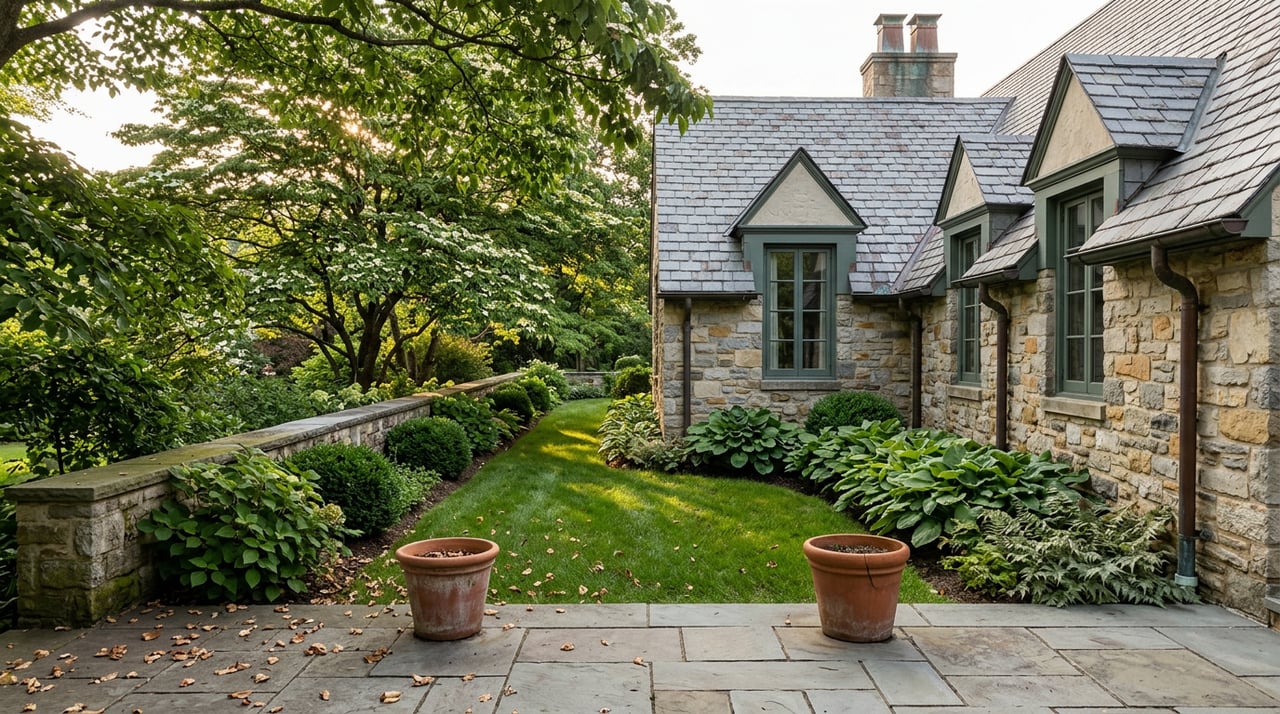
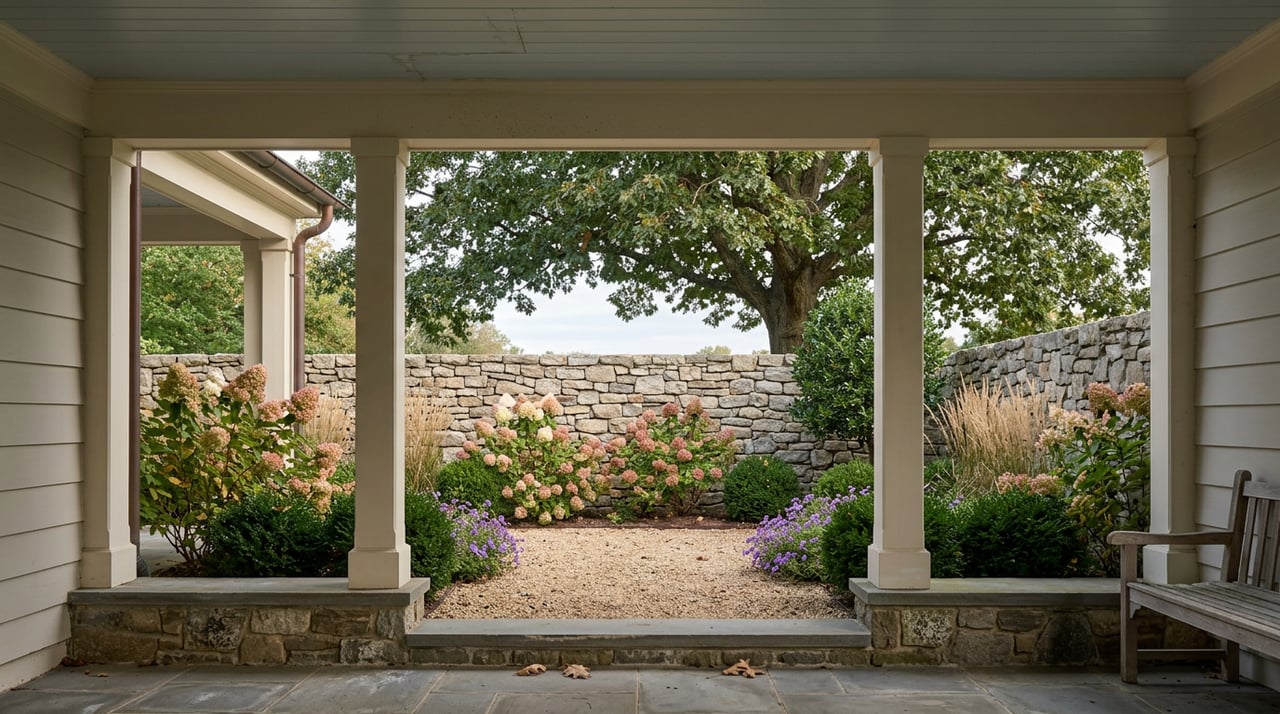
In Worthington Valley, the land is often a core part of the value. Open views, privacy, fields, tree lines, driveways, barns, and outdoor entertaining areas all contribute to buyer perception.
Before launch, think about how the property reads from the road and from key vantage points. Clean edges, refreshed landscaping, and clear sightlines can make the setting feel more intentional and more memorable.
Refine the Interior Story
Even when acreage is the headline, the home itself still needs to feel easy to understand. Buyers should be able to see how rooms live, where natural light lands, and how interior spaces connect to the outdoors.
This is where thoughtful staging and design guidance can pay off. Editing personal items, improving furniture placement, and sharpening the visual style of key rooms can help the home feel elevated without losing its character.
Invest in Visual Marketing
Because many likely buyers will first encounter the property online, imagery carries real weight. Professional photography, video, and virtual tours help communicate quality and attract serious attention early.
This matters even more in a niche luxury segment. If your first digital impression falls flat, you may miss buyers who would have responded to the property in person.
Set Expectations on Timing
Luxury homes usually move more slowly than the overall market. Realtor.com’s April 2026 luxury report placed median days on market at 52 days for the luxury median, 59 days for entry luxury, 68 days for high-end luxury, and 86 days for ultraluxury.
That is notably slower than Baltimore County’s 26-day median. If your home is in the upper end of the Worthington Valley estate market, patience and consistent market positioning are part of the process.
Timing Your Launch Can Help
If you have flexibility, timing can work in your favor. Realtor.com’s 2026 Best Time to Sell report identified April 12 to 18 as the best week to list nationally, with 16.7% more views per property, about nine fewer days on market, nearly 12% fewer sellers, and roughly 19% fewer price cuts than an average week.
For estate sellers, that does not mean every home should list in April. It does mean spring preparation should often begin well in advance so landscaping, repairs, staging, and photography are complete before a prime launch window opens.
In other words, the best listing week is only useful if the property is truly ready. A polished debut tends to matter more than rushing to market.
What This Means for Sellers Today
The current Worthington Valley market offers opportunity, but it rewards strategy. Inventory is limited, the price points are high, and each property competes in a narrow buyer pool where condition, presentation, and pricing discipline carry real weight.
If you are preparing to sell, your goal should not be to follow countywide averages too closely. Your goal should be to position your property in a way that reflects how buyers actually shop this market, with a strong visual story, a realistic price, and a clear understanding of what makes your estate stand out.
That is where boutique guidance can make a meaningful difference. If you are considering a sale in Worthington Woodsyde or the broader Worthington Valley area, Alisa Goldsmith Properties can help you build a tailored plan around design, staging, pricing, and launch strategy.
FAQs
What makes the Worthington Valley estate market different from the broader Baltimore County market?
- Worthington Valley is a niche estate and farm market with limited inventory, higher price points, and more emphasis on acreage, privacy, views, and presentation than the broader county market.
How many homes are for sale in Worthington Valley right now?
- Current portal data cited in the research show 14 homes for sale on Zillow’s Worthington Valley page, which highlights how small and selective the active inventory is.
How long can a Worthington Valley estate home take to sell?
- Market time can vary widely, and current examples range from a few weeks to many months, especially at the highest price points where buyer pools are smaller.
Why is pricing so important for a Worthington Valley home sale?
- In a thin luxury market, accurate pricing helps attract qualified buyers early and can reduce the risk of extended time on market or later price cuts.
Does staging matter for luxury estate homes in Worthington Valley?
- Yes. Research cited in this article shows staging can help buyers visualize the home, may reduce time on market, and can support stronger offers.
When should a Worthington Valley seller start preparing to list?
- If you hope to list in spring, it is smart to begin preparations well ahead of time so landscaping, repairs, staging, and photography are finished before launch.