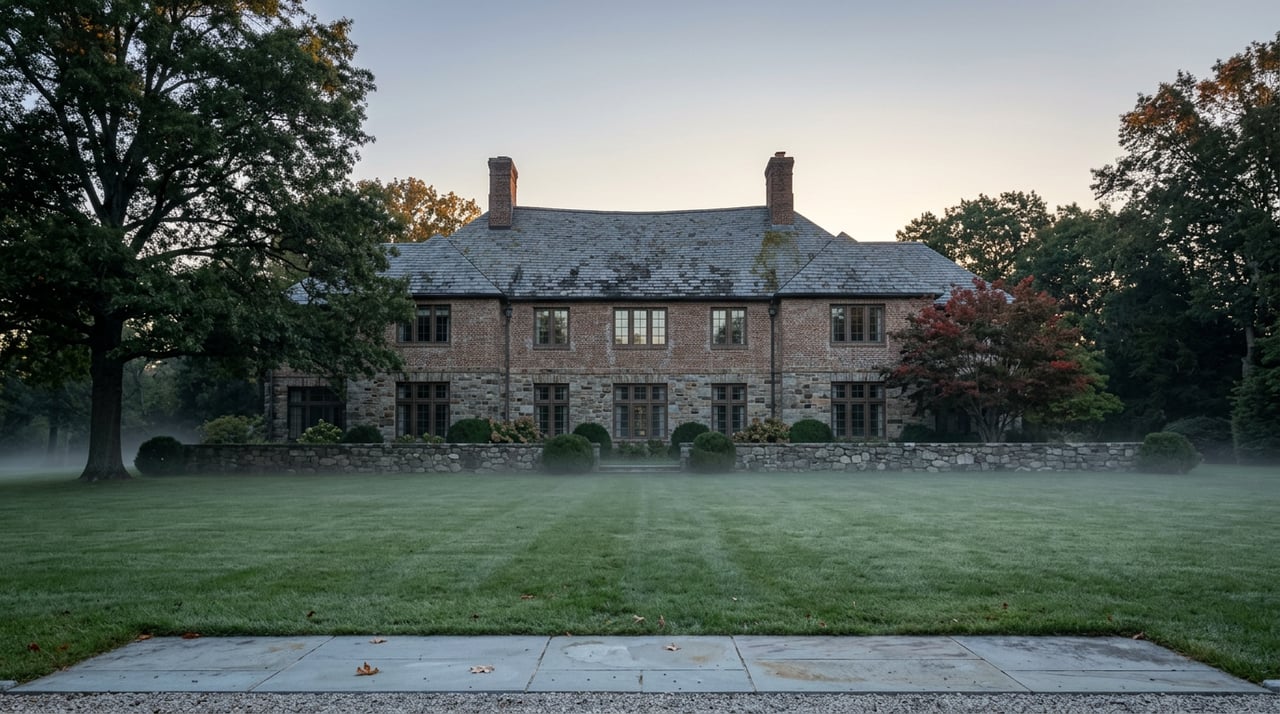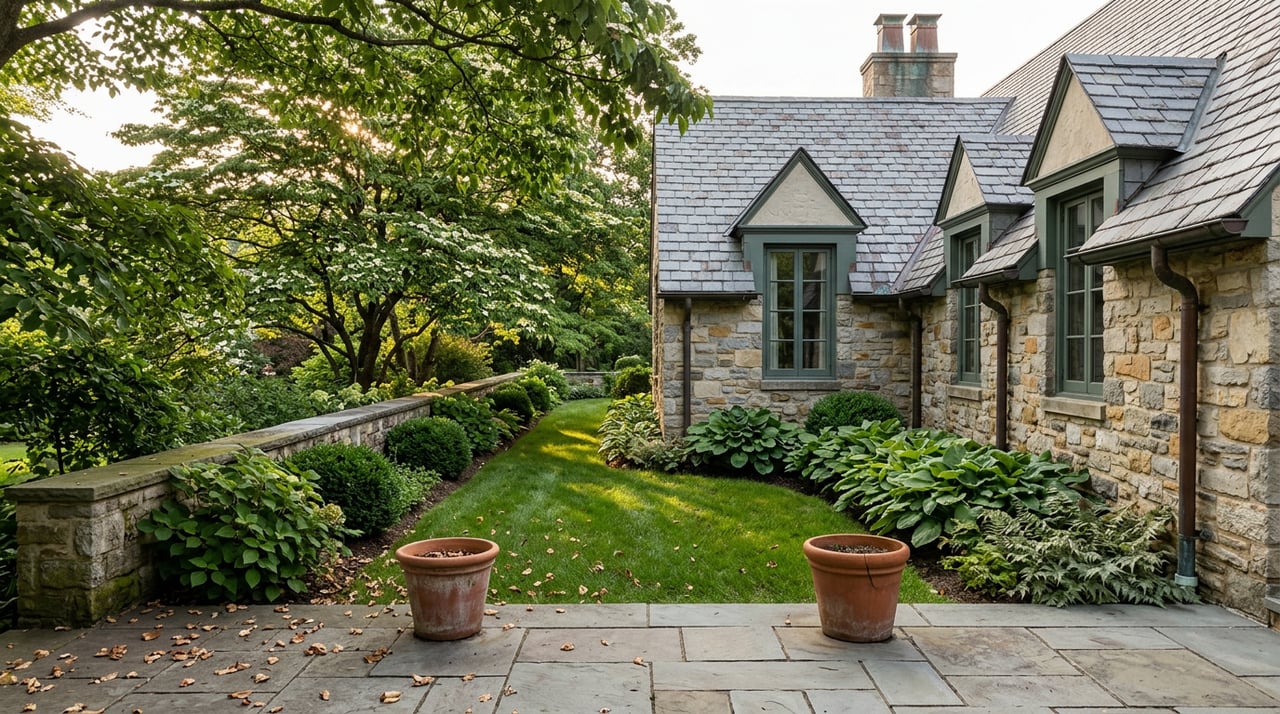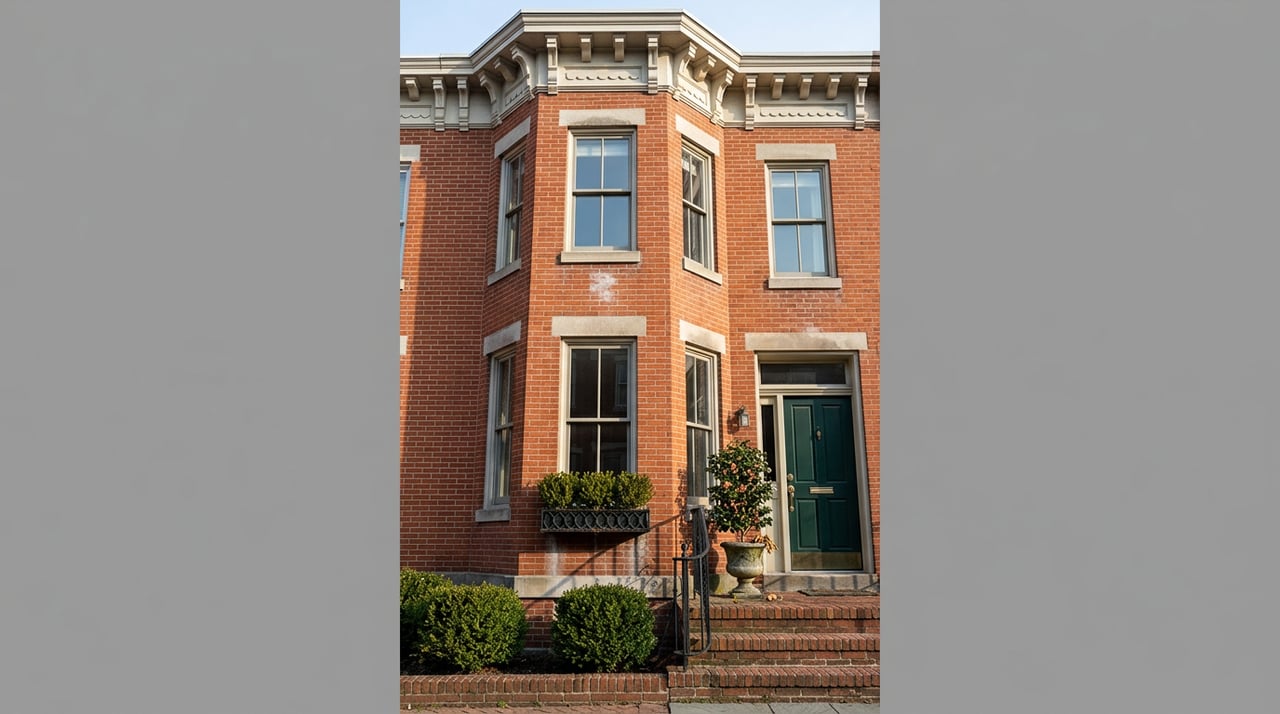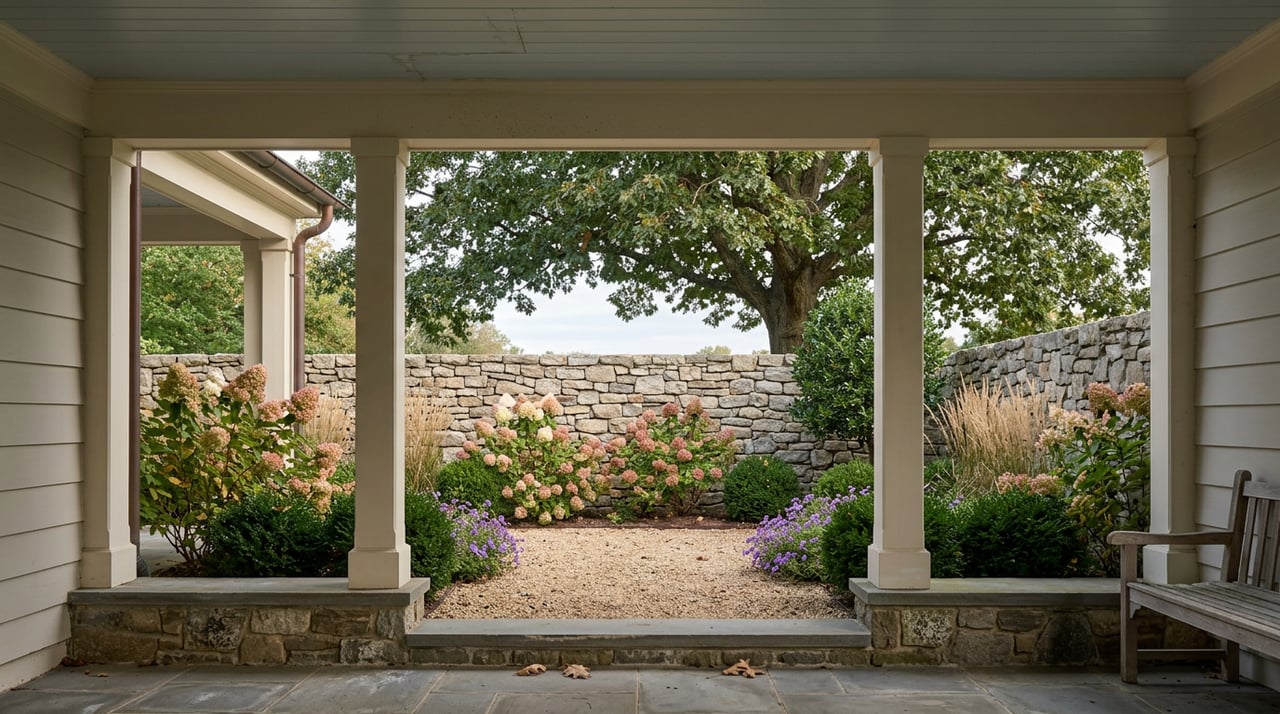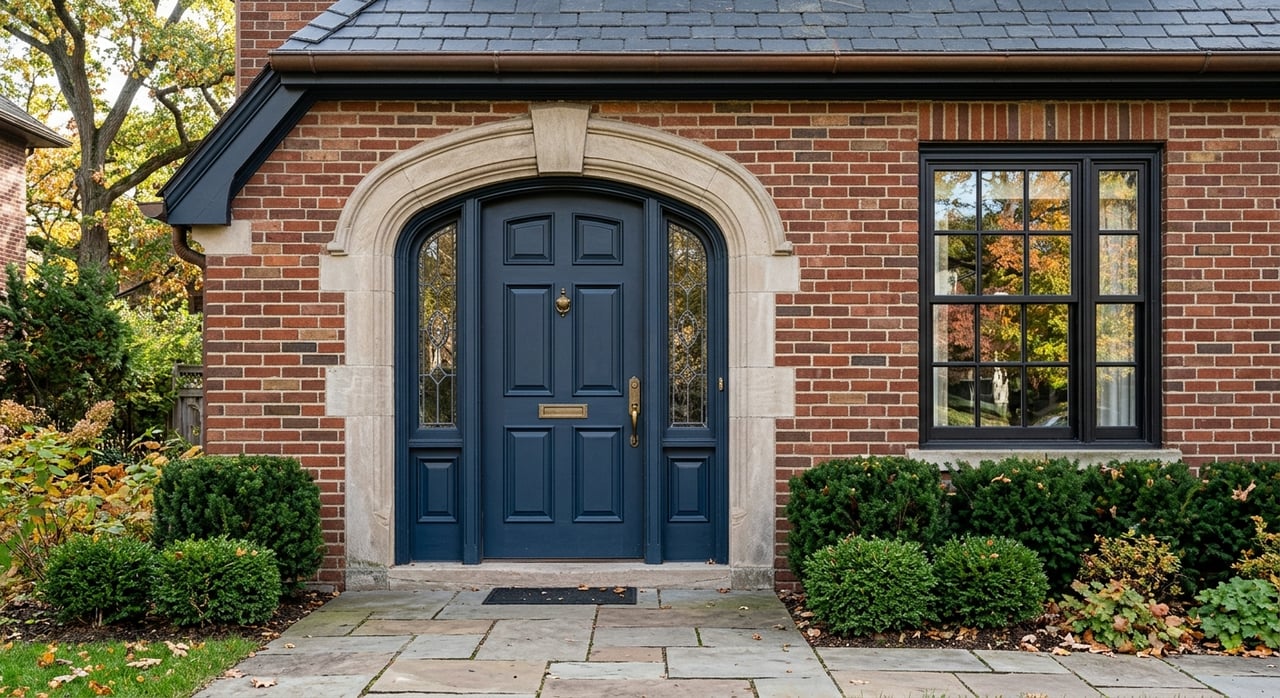
If you have fallen for a Roland Park home, you already know the appeal is hard to fake. Deep porches, intricate woodwork, tall windows, and richly detailed facades offer a kind of character that newer homes rarely match. Buying one, though, takes more than a standard checklist, and understanding the rules, repair priorities, and renovation path can help you move forward with confidence. Let’s dive in.
Why Roland Park homes stand out
Roland Park began in 1891 as one of the country’s early planned suburban communities, shaped by Edward Bouton and the Olmsted Brothers. The Roland Park Historic District is listed in the National Register and includes 1,068 structures, with a strong mix of Queen Anne, English Tudor, Georgian, and Shingle styles.
For you as a buyer, that history shows up in the details. Many homes feature steep rooflines, gables, porches, wood windows, masonry chimneys, and exterior trim that define the home’s look and long-term upkeep needs.
Know the difference between historic status and review
One of the biggest points of confusion is what “historic” actually means in practice. In Baltimore City, being in a National Register district does not automatically mean exterior changes are subject to local design review.
That said, some properties may also be individually landmarked or located in a local historic district. In those cases, Baltimore City requires an Authorization to Proceed before certain regulated exterior work.
Roland Park also has another layer to consider. According to the Roland Park Civic League, most properties still have private covenants and a maintenance fee, and those covenants can affect what you may do to the house and lot.
What exterior work may be regulated
If a property is individually landmarked or in a local historic district, Baltimore regulates more than major additions. Exterior architectural changes, exterior color changes, fences and walls, exterior excavation, and exterior demolition can all fall under regulated alterations.
Baltimore also requires sellers to disclose before contract whether a property is in a historic district or appears on the landmark lists. That makes it especially important to confirm a home’s status early, before you start planning cosmetic or structural updates.
Why covenants matter in Roland Park
Private covenants are not the same as a formal preservation district, but they still matter. The Civic League notes that these covenants are intended to preserve neighborhood character and may require alterations to remain compatible with the existing home and lot.
Before closing, it is smart to confirm both the title record and any community obligations tied to the property. If you are already imagining a new fence, exterior repainting, or a porch redesign, this step can save time and frustration.
Features to inspect closely
A beautiful historic home can be wonderfully durable, but age puts certain systems and materials under more pressure. In Roland Park, several exterior elements deserve special attention during due diligence.
Roofs and drainage
CHAP recommends annual roof inspections and cleaning gutters and downspouts in spring and fall. Buyers should pay close attention to flashing at chimneys, dormers, valleys, and parapets, since these areas are common trouble spots for water intrusion.
Windows
Historic windows are often more repairable than buyers expect. Baltimore’s preservation guidance says they should usually be repaired rather than replaced, and much of the heat loss often comes from leaky frames or sashes instead of the glass itself.
Porches
Porches are often a defining feature of Roland Park homes, but they are exposed to weather year-round. Baltimore’s guidance favors repairing historic porches when possible and replacing only those that are beyond repair, ideally using documentation or nearby examples to guide the work.
Masonry and woodwork
Watch for cracking, spalling, open joints, movement, or dampness. CHAP advises that masonry repairs use compatible materials, and serious deterioration should be reviewed by a structural engineer with historic preservation experience.
Why a standard inspection is not enough
A general home inspection is important, but it should not be your only evaluation tool when buying an older Roland Park property. Historic homes often need more targeted review, especially when original materials remain in place or previous repairs look inconsistent.
The most important added checks usually include roof condition, flashing, gutters, chimneys, masonry, window operation, water intrusion, and signs that earlier repairs used incompatible materials. If major masonry issues are visible, CHAP specifically recommends a structural engineer experienced in historic preservation.
For windows, a repair specialist or contractor with historic-district experience can be especially valuable. That kind of expertise helps you separate a manageable repair project from a much larger restoration budget.
Lead paint should be part of your planning
Because Roland Park homes are often much older, lead-based paint is a real consideration. The EPA says older homes are more likely to contain lead-based paint, and 87 percent of homes built before 1940 contain some lead-based paint.
If you are buying a pre-1978 home, testing for lead hazards and using lead-safe contractors should be part of your renovation planning. It is also important to avoid repair methods that create dust without proper containment and safety practices.
How to think about updates wisely
When you buy a historic home, the smartest approach is usually not to start with cosmetic changes. Preservation guidance points to a sequence that protects the house first, then improves comfort and efficiency.
A practical order often looks like this:
- Stabilize the roof and drainage.
- Repair windows and masonry.
- Address lead-safe work practices.
- Add discreet efficiency upgrades like weatherstripping, storm windows, or compatible insulation solutions that do not trap moisture in historic walls.
This order helps you avoid spending on finishes before the home’s envelope is performing as it should. It also supports the long-term durability of original materials that give the house its character.
Repair versus replace is a key mindset
Historic homes often reward a repair-first approach. Preservation guidance notes that many historic windows can last longer than replacements if maintained properly, and improving existing windows can be more cost-effective than replacing them when they are still in good condition.
That is an important mindset shift if you are used to newer homes. In Roland Park, original materials may not be a liability at all. In many cases, they are part of the home’s lasting value, provided they have been maintained or can be restored correctly.
Tax credits may help offset rehab costs
If you are planning approved work on an eligible property, tax incentives may help reduce part of your rehabilitation budget. Maryland offers a homeowner tax credit equal to 20 percent of eligible rehabilitation expenses, capped at $50,000 over a 24-month period, and the project must be approved before work begins.
Eligible work can include roof repair, chimney repair, structural repairs, window and door restoration, masonry repair or repointing, mechanical, electrical, and plumbing work, and interior finish restoration. Baltimore City also offers a 10-year property tax credit for eligible historic improvements, with city eligibility tied to CHAP pre-approval and a significant-improvement threshold of at least 25 percent of the property’s full cash value before work starts.
Because approvals matter, it is worth confirming eligibility early in your planning process. Waiting until after work begins may limit what credits are available.
A smart buying strategy for Roland Park
Buying a historic home in Roland Park is part lifestyle decision and part stewardship. You are not just evaluating square footage and finishes. You are also looking at materials, repair history, approvals, and the practical path to maintaining the home well.
The right home can be deeply rewarding, especially if you enter the process with clear expectations. When you understand the inspection priorities, confirm any historic or covenant-related restrictions, and budget for thoughtful upgrades, you are far more likely to enjoy the character without being surprised by the responsibilities.
If you are considering a historic home in Roland Park and want experienced guidance on evaluating condition, renovation potential, and next steps, Alisa Goldsmith Properties can help you navigate the process with clarity and care.
FAQs
What makes buying a historic home in Roland Park different?
- Roland Park homes often include original materials and architectural details that require closer review, and some properties may also have local historic oversight or private covenants that affect exterior changes.
Do all Roland Park homes have local historic design review?
- No. Baltimore City says National Register status alone does not trigger exterior design review, though individually landmarked properties or homes in a local historic district may require approval for regulated exterior work.
What should buyers inspect first in a Roland Park historic home?
- The top priorities usually include the roof, flashing, gutters, chimneys, masonry, windows, water intrusion, and signs of incompatible past repairs.
Are original windows in Roland Park homes worth keeping?
- Often, yes. Baltimore preservation guidance says historic windows should usually be repaired rather than replaced, and weatherstripping or storm windows may improve comfort when the windows are still in good condition.
Do Roland Park buyers need to worry about lead paint?
- Yes, especially in older homes. The EPA says homes built before 1940 are very likely to contain some lead-based paint, so testing and lead-safe renovation practices are important.
Are there tax credits for renovating a historic home in Roland Park?
- Potentially. Maryland offers a homeowner historic rehabilitation tax credit for eligible approved work, and Baltimore City also offers a 10-year property tax credit for eligible historic improvements that meet its requirements.