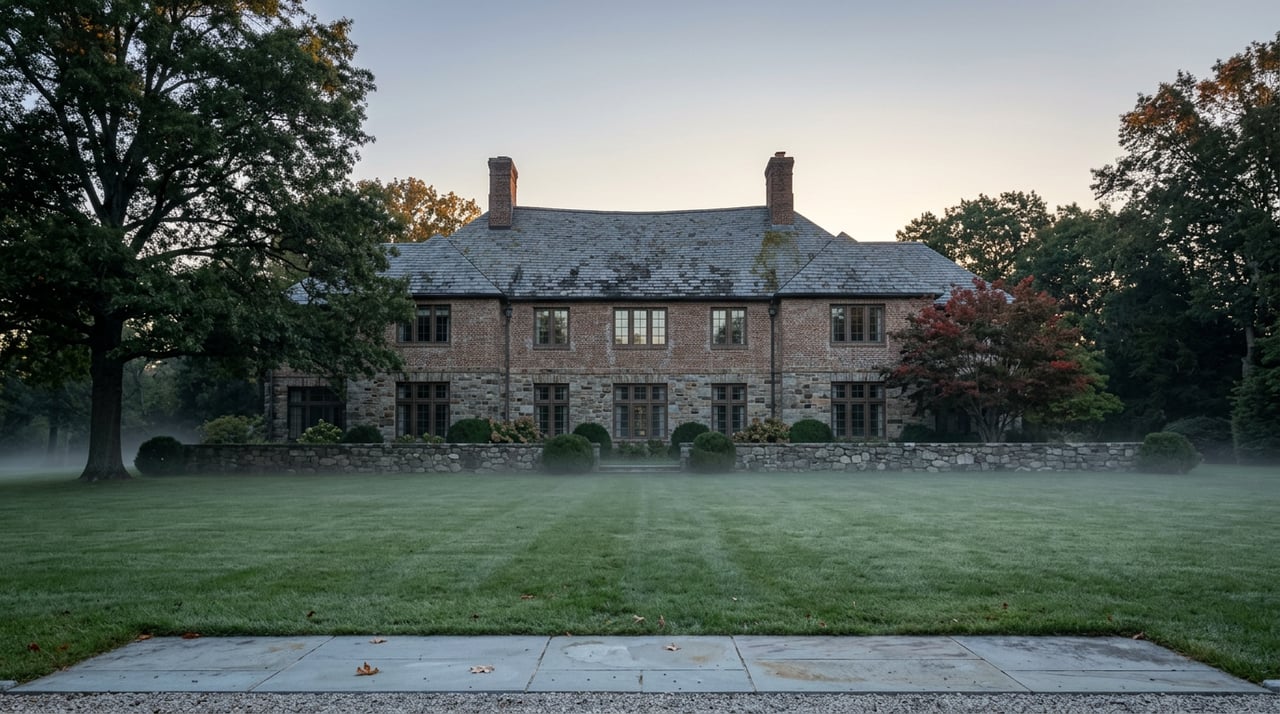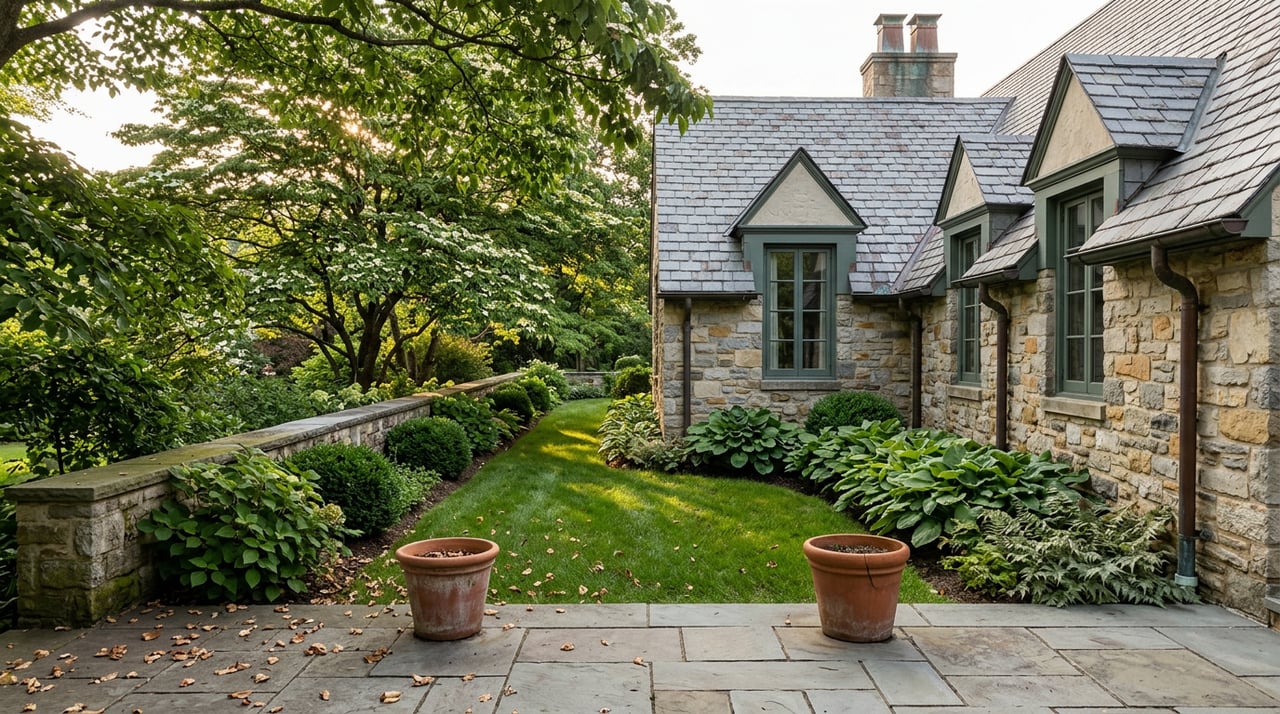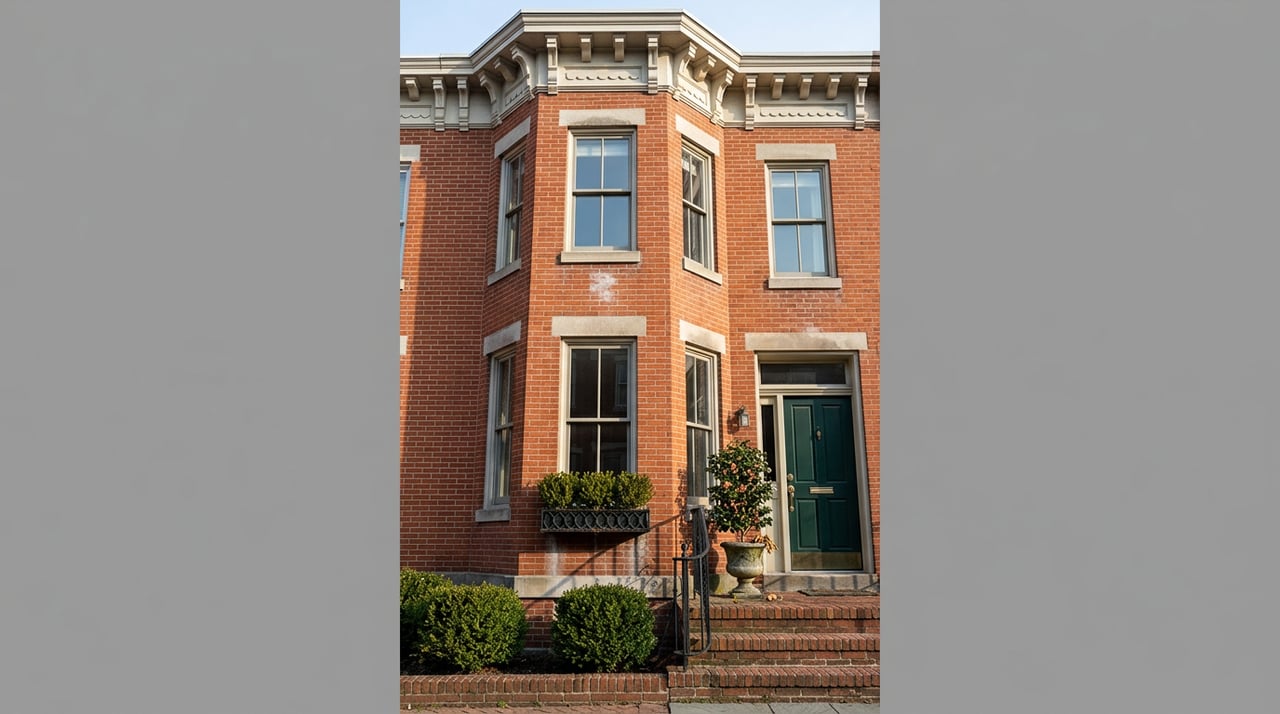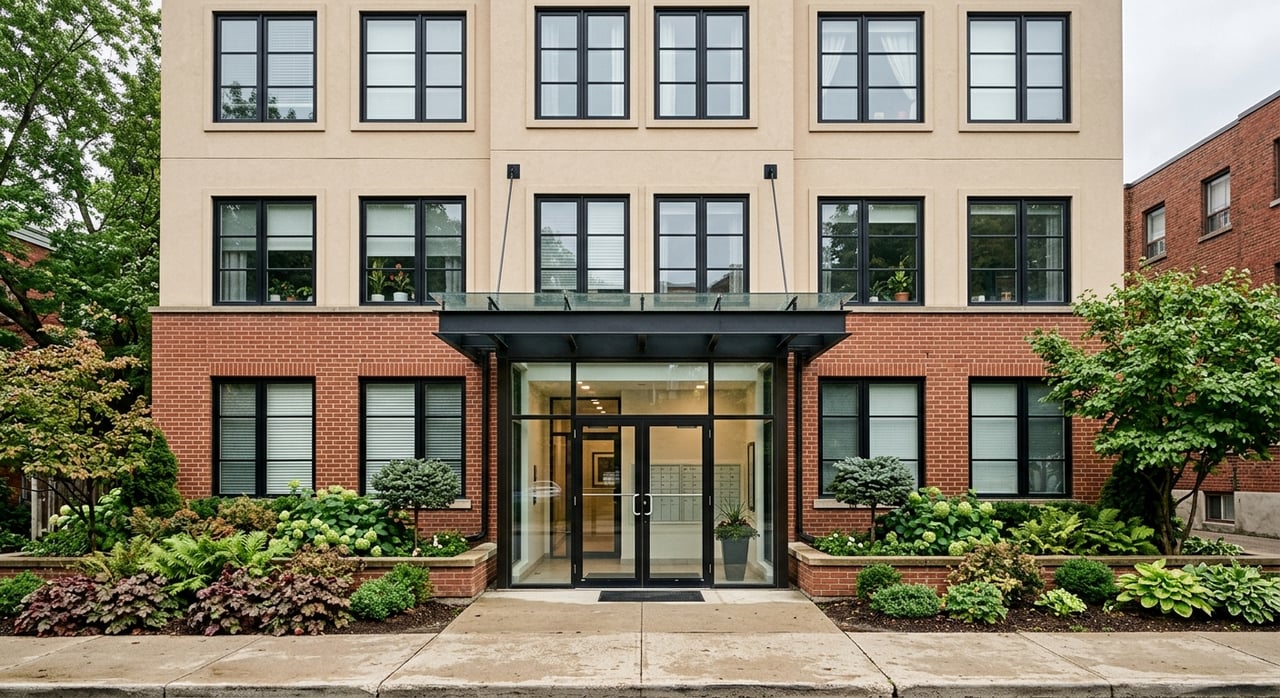
Trying to choose between a rowhouse and a condo in Baltimore City? It sounds simple at first, but these two options can shape your budget, daily routine, and long-term responsibilities in very different ways. If you want a clearer way to compare them, this guide will walk you through ownership, costs, lifestyle tradeoffs, and the questions that matter most before you buy. Let’s dive in.
Baltimore City Starts With One Big Truth
Baltimore is, at its core, a rowhouse city. City zoning and preservation materials both reflect how strongly rowhouses have shaped Baltimore’s streetscape, blocks, and housing identity over time.
That said, your decision is not always as straightforward as “rowhouse versus condo.” In Baltimore City, a rowhouse is a building type, while a condo is an ownership type. A home can look and feel like a townhouse or rowhouse and still be legally owned as a condo.
That distinction matters because the exterior style only tells part of the story. The deed, condo declaration, bylaws, and any local historic district rules can have just as much impact on your experience as the floor plan or brick facade.
Rowhouse vs Condo Basics
What a rowhouse usually means
When you buy a typical Baltimore rowhouse, you are usually buying the home itself and taking on direct responsibility for maintaining it. That includes routine repairs and larger capital items like roofing or other major replacements over time.
Many buyers like this setup because it offers a more house-like ownership experience. You usually have more direct control over decisions, timing, and upkeep, even though you are still living on a compact city lot and often sharing walls with neighboring homes.
What a condo usually means
In Maryland, condo ownership means you own your unit plus an undivided interest in the common elements. The council of unit owners is generally responsible for maintaining, repairing, and replacing the common elements, while you are responsible for your unit itself.
You are also a member of the condo association and pay assessments that help cover common expenses and reserves. Maryland guidance also says owners can review association budgets and reserve studies, and the council is expected to maintain property insurance and general liability insurance to the extent reasonably available.
Costs Are Not Always What Buyers Expect
A common assumption is that condos are always the less expensive choice. In Baltimore City, that is not necessarily true.
A recent market snapshot showed a median sale price of $240,000 citywide, with median listing prices around $199,000 for townhouses and $230,000 for condos. That tells you condo living is not automatically the budget option. Neighborhood, building condition, services, and monthly fees all play a role.
Rowhouse cost picture
With a rowhouse, your monthly cost structure may look simpler on paper because you usually are not paying a separate condo fee. But that does not mean ownership is more predictable.
Instead, you need to budget for repairs, maintenance, and major future replacements yourself. If masonry needs work or a roof reaches the end of its life, that planning falls directly on you.
Condo cost picture
With a condo, your budget includes more than the mortgage. Condo dues are usually paid separately, and those fees can range from a few hundred dollars a month to more than $1,000 depending on the building and what is included.
That does not automatically make condos a worse value. In some cases, the fee may cover maintenance, shared services, amenities, insurance obligations for common property, and reserve funding that would otherwise be your direct responsibility in another ownership setup.
Maintenance and Responsibility Feel Very Different
For many buyers, this is the section that matters most. The right choice often comes down to how much responsibility you want to handle personally.
Why some buyers prefer rowhouses
A rowhouse often appeals to buyers who want more control. If you prefer deciding when to repair, renovate, or improve your home without going through an association structure, a rowhouse may feel more straightforward.
That independence comes with more responsibility. You need to be comfortable planning for upkeep, seasonal maintenance, and unexpected repair costs as part of owning the property.
Why some buyers prefer condos
Condo living tends to attract buyers who want shared responsibility for exterior and common-area maintenance. If you like the idea of simplifying day-to-day upkeep or having a more lock-and-leave lifestyle, a condo can be a strong fit.
Still, “low maintenance” does not mean “no responsibility.” You will want to understand exactly what the association covers, what remains your job, and how well the building is planning for future repairs.
Privacy, Space, and Daily Lifestyle
Beyond cost, the day-to-day feel of the home matters. Your routine can look very different in a narrow brick rowhouse than in a condo building with shared spaces.
Rowhouse living in Baltimore
Baltimore planning materials describe rowhouses as efficient, space-conscious, and connected to the city’s classic urban character. They often offer a more self-contained feel than a larger condo building, even though they still share walls and usually sit on compact lots.
Many classic Baltimore rowhouses are two or three stories and around 12 to 14 feet wide. That means the layout is often vertical rather than wide, which some buyers love and others find less practical depending on how they live.
Condo living in Baltimore
Condo layouts vary much more than people expect. A condo might be in a high-rise, a garden-style building, or a townhouse-style property, so the experience can range from apartment-like to surprisingly house-like.
Because of that, it is smart not to judge a condo by the label alone. One condo may offer a simple, easy-care layout, while another may feel closer to a multi-level townhouse with shared ownership features layered on top.
Outdoor Space and Amenities
Outdoor space is one of the biggest practical differences between these options, especially in a city setting.
What outdoor space looks like in rowhouses
Private outdoor space in Baltimore rowhouses is often limited. Historic examples and zoning patterns point to narrow lots, attached homes, and modest rear-yard areas rather than expansive private yards.
That said, even a small private outdoor area can be meaningful if you want a patio, garden space, or a more house-like separation from neighbors. For some buyers, that private-use space is a major advantage.
What outdoor space looks like in condos
Condos usually trade private yard space for shared common areas and building-managed amenities. Depending on the property, that may mean less personal outdoor space but fewer maintenance tasks tied to it.
If amenities matter to you, condos are also more likely to package upkeep, services, and shared features together. The key is to weigh whether those benefits justify the monthly fee and fit how you actually live.
Rules Can Shape Your Experience
Many buyers focus on finishes and layout first, but rules can have just as much impact on your satisfaction.
Condo rules to review closely
With a condo, you should review the resale package, association rules, budget, and reserve study before closing. Maryland law requires independent reserve studies for residential condominiums and updates at least every five years, which can help you better understand how the association is planning for future capital needs.
This review process is important because rules and financial health vary from one building or community to another. Two condos with similar square footage can offer very different ownership experiences depending on how the association operates.
Historic district rules for rowhouses
Rowhouse owners may enjoy more freedom in many situations, but Baltimore historic district rules can affect exterior changes. In designated local historic districts, exterior alterations, color changes, fences, and demolition require CHAP authorization before a permit is issued.
That does not make a historic rowhouse a bad choice. It simply means you should understand the approval process early if exterior changes are part of your plan.
Which Option May Fit You Better
The best fit often comes down to your priorities, not a universal ranking. Neither option is better for everyone.
A rowhouse may suit you if you want:
- More direct control over the property
- A more house-like ownership experience
- A chance at some private outdoor space, even if small
- Baltimore’s classic brick rowhouse character
- Flexibility to manage maintenance on your own timeline
A condo may suit you if you want:
- Less exterior maintenance responsibility
- Shared responsibility for common systems and spaces
- Possible building amenities or managed conveniences
- A simpler lock-and-leave lifestyle
- A layout that may be easier to maintain day to day
Questions to Ask Before You Buy
Before you fall in love with the look of a home, make sure you understand how it is actually owned and managed. In Baltimore City, that step can save you from expensive surprises later.
Ask these questions early:
- Is this a fee-simple rowhouse or a condo-titled townhouse?
- What does the monthly fee cover, and what does it not cover?
- Who handles the roof, windows, masonry, insurance, and reserve funding?
- Is the property in a local historic district?
- How much private outdoor space is actually usable, and who maintains it?
- How long do you expect to stay, given the costs involved in buying and selling?
The Bottom Line on Baltimore City Living
If you are deciding between a rowhouse and a condo in Baltimore City, the smartest move is to look beyond appearances. A classic brick exterior may still come with condo rules and fees, while a traditional rowhouse may offer more independence but also more direct responsibility.
When you match the ownership structure to your budget, lifestyle, and comfort with maintenance, the choice becomes much clearer. If you want thoughtful guidance as you compare Baltimore City options, Alisa Goldsmith Properties can help you evaluate the details with confidence.
FAQs
What is the difference between a rowhouse and a condo in Baltimore City?
- A rowhouse is usually a building form, while a condo is an ownership form. In Baltimore City, a home can look like a rowhouse or townhouse and still be legally owned as a condo.
Are condos cheaper than rowhouses in Baltimore City?
- Not always. Recent Baltimore City market data showed median listing prices around $199,000 for townhouses and $230,000 for condos, so price depends on the specific property, location, condition, and monthly fees.
What maintenance does a Baltimore City condo owner handle?
- In Maryland condos, the association generally handles common elements, while the unit owner is responsible for the unit itself. You should review the condo documents to see how responsibilities are divided for the property you are considering.
What maintenance does a Baltimore City rowhouse owner handle?
- In a typical rowhouse purchase, you are generally responsible for the home’s upkeep, repairs, and major replacements. That can include planning and budgeting for items like roof work and other long-term maintenance.
Do Baltimore City rowhouses usually have private outdoor space?
- Often, but it is usually limited. Many Baltimore rowhouses sit on narrow lots, so outdoor space tends to be compact, such as a small rear yard or patio area.
What should you review before buying a Baltimore City condo?
- You should review the resale package, association rules, budget, reserve study, and details about what the monthly assessment covers. Those documents can tell you a lot about both costs and future planning.
Can historic district rules affect a Baltimore City rowhouse?
- Yes. If a rowhouse is in a designated local historic district, certain exterior changes may require CHAP authorization before a permit is issued.
How do you decide between condo living and rowhouse living in Baltimore City?
- Start with your priorities. If you want more control and a house-like ownership feel, a rowhouse may fit better. If you want shared maintenance responsibility and potentially more convenience, a condo may be the stronger match.