Thinking about moving to Baltimore City for a new job? The excitement is real, but so is the pressure of learning a new market, narrowing down neighborhoods, and making smart decisions from a distance. If you want to buy with confidence, it helps to understand how Baltimore’s housing market, taxes, commute options, and buyer programs all fit together. Let’s dive in.
Understand Baltimore City’s market pace
If you are relocating for work, timing matters. In early 2026, Baltimore’s housing market looked moderate rather than overheated, which can give buyers more room to evaluate options carefully.
Market data points in a similar direction, even if the exact numbers vary by source. Redfin reported a March 2026 median sale price of about $240,000, with homes taking around 60 days to sell and averaging about two offers. Realtor.com described Baltimore as a balanced market and reported a median sale price around $225,000 with a median 41 days on market.
For you, that means Baltimore may offer a more manageable pace than many major East Coast cities. You still need to act decisively on the right home, but you may have more opportunity to compare neighborhoods, commute options, and monthly costs before making an offer.
Build your budget beyond list price
When you relocate, it is easy to focus on the purchase price and forget the local costs that shape your real monthly and closing budget. In Baltimore City, property taxes and transfer-related costs deserve early attention.
Baltimore City property tax is about $2.248 per $100 of assessed value, and the Maryland state property tax adds $0.112 per $100, for a combined rate of $2.360. Baltimore City also has a local income tax rate of 3.2% of an individual’s Maryland taxable income.
Closing costs also matter here. Baltimore City recordation tax is $5 for each $500 of consideration or debt secured, and the city transfer tax is 1.5% of taxable basis. Transfer tax must be paid before the deed is recorded, so these numbers should be part of your planning from the beginning, not a surprise at the settlement table.
Why the $250,000 threshold matters
This is one of the most useful details for buyers relocating to Baltimore City. For owner-occupied residential property under $250,000, the city transfer tax does not apply to the first $22,000 of consideration if you will occupy the home as your principal residence for at least 7 months of the next 12 months.
Because Baltimore’s recent median sale price has been reported near $240,000, many purchases may land close to that $250,000 mark. That means your exact contract price can have a meaningful impact on closing costs, so it is worth reviewing the numbers early.
First-time Maryland buyer rules can help
Maryland law has an important rule for first-time Maryland home buyers purchasing improved residential property as a principal residence. In many cases, the seller pays the full amount of recordation tax, local transfer tax, and state transfer tax unless the parties agree otherwise.
The definition is narrower than some buyers expect. A first-time Maryland home buyer is someone who has never owned Maryland residential real property that served as that person’s principal residence. If you are moving from out of state and have never owned a principal residence in Maryland, you may still qualify.
Research neighborhoods from afar
One of the biggest challenges in a work-related move is choosing the right area before you know the city well. Baltimore gives you a lot of neighborhood variety, and that can be a strength if you approach the search in an organized way.
Live Baltimore says the city has more than 250 neighborhoods. Its neighborhood search tools let you filter by vibe, nearby amenities, and average housing cost, while City Planning’s CityView, CodeMap, and OpenBaltimore can help you understand whether a property falls within certain districts or city programs.
For a relocation buyer, the goal is not to memorize every neighborhood. The goal is to narrow your search to a short list that fits your work routine, housing style, and day-to-day preferences.
Compare neighborhoods by commute first
If you are moving for a job, your commute should lead the conversation. A home that looks great online may feel less practical if the daily trip to work is longer, more complex, or more expensive than expected.
Baltimore’s transit network includes Local Bus, Light RailLink, Metro SubwayLink, MARC Train, Commuter Bus, MobilityLink, and real-time arrival tools. MARC’s Penn Line connects Baltimore Penn Station, BWI, and Union Station in Washington, while the Camden Line runs from Camden Station to Union Station. Metro SubwayLink runs from Owings Mills to Johns Hopkins.
This matters because different neighborhoods support different commuting patterns. If you plan to rely on rail, direct transit access may shape your search. If you drive, parking and highway access may matter more.
What to compare when buying remotely
Remote buyers often look at price first, but that is only part of the picture. In Baltimore City, it is also smart to compare practical details that affect how the home will live once your work schedule begins.
Focus on items like:
- Commute mode and travel time
- Parking setup and street parking reality
- Nearby transit access
- Street activity at different times of day
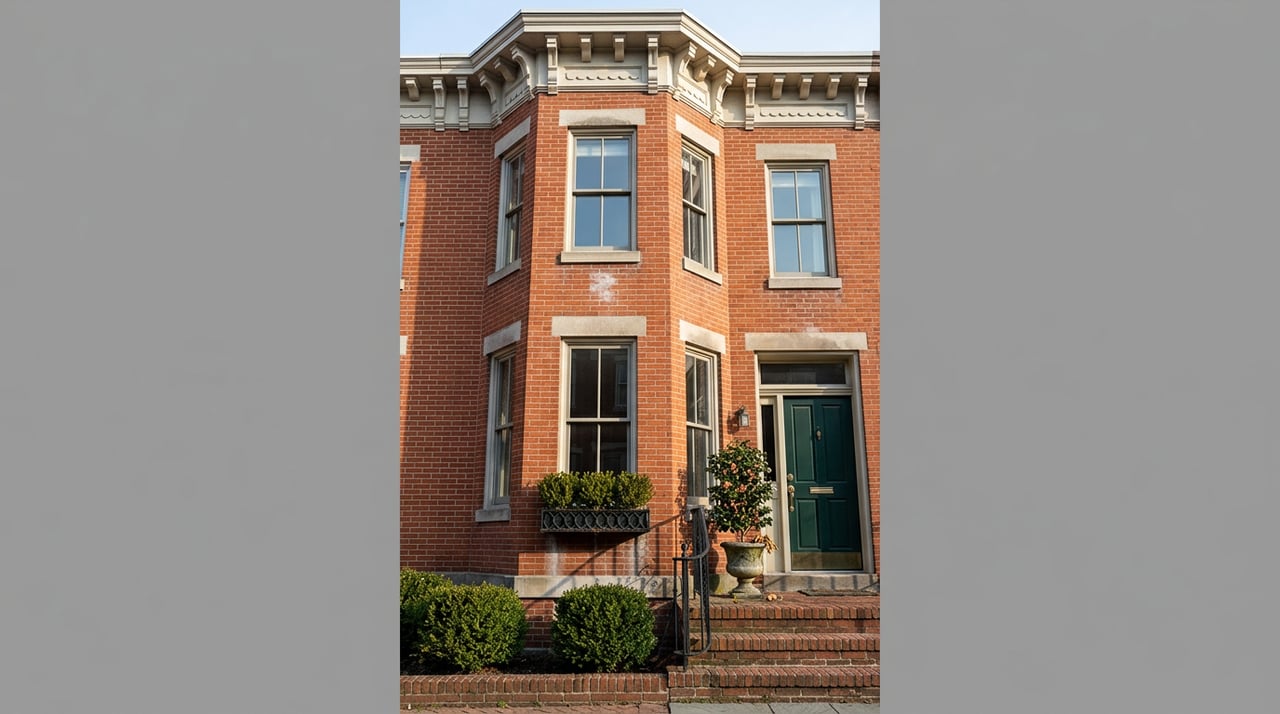
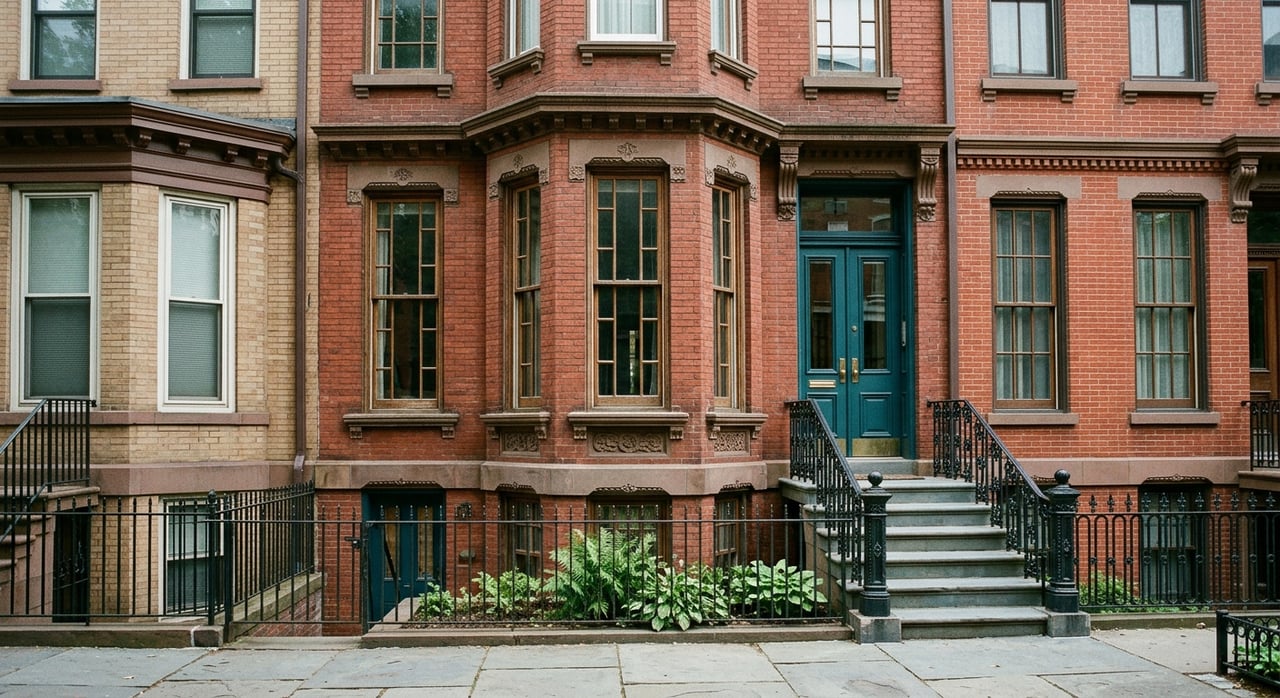
- Typical home style and layout
- Access to amenities you use regularly
Neighborhood profile pages can help with this. Live Baltimore notes that these pages often include estimated mortgage, estimated rent, median home purchase price, home types, school references, walk score, bike score, transit score, and nearby transit notes.
Some examples show how useful that can be. Downtown is described as commuter-friendly, lively, walkable, historic, and artsy, with easy access to Light Rail and Metro Subway. Locust Point highlights proximity to I-95 and water taxi access. Cross Keys is described as tucked away just off a major commuting route, while Bayview is noted as being minutes from I-95 and Johns Hopkins Bayview.
Use buyer incentives early
If you are relocating for work, you may have access to programs that reduce your out-of-pocket costs. The key is to check eligibility before you start writing offers.
Live Near Your Work is designed for people working in Baltimore City, with funds that can be used toward down payment or closing costs. The program includes more than 100 participating employers, which makes it especially relevant for corporate transferees and professionals moving into the city for a new role.
Baltimore City also offers a First-Time Homebuyers Incentive Program for eligible buyers at or below 80% of area median income. The program can provide 50% of the down payment up to $10,000, plus an additional $5,000 in some cases. It requires city-approved counseling and at least $1,000 from the buyer.
Live Baltimore also says there are more than 50 financial incentives available to Baltimore City homebuyers and homeowners. That makes early screening a smart part of any relocation plan.
Counseling comes before the offer
Many buyers do not realize how early they need to start this step. Nearly all incentive programs require a Homeownership Counseling Certificate from a City-approved counseling agency before an offer is written.
The certificate is good for one year, and Live Baltimore says counseling typically takes less than 10 hours. If you think you might qualify for any assistance, it makes sense to complete this step early so you do not miss an opportunity later.
Know the Trolley Tour timing
If you are interested in the $5,000 Buying Into Baltimore incentive, there is a very specific timing rule. Live Baltimore says you must attend Trolley Tour before making an offer and secure a ratified contract within 12 business days after the event.
For a relocating buyer, that deadline can affect your travel and search strategy. If you want to pursue that program, your home search should be organized well in advance.
Plan your closing logistics carefully
A relocation purchase often involves moving pieces like travel schedules, start dates, remote document signing, and utility planning. In Baltimore City, closing logistics also include local tax details that need to be handled correctly.
Baltimore City transfer tax and recordation tax must be cleared before the deed can be recorded. The city code says tax payment is evidenced by a receipt on the instrument, which is one reason settlement agents and title companies usually manage this step as part of the closing process.
This is another reason to run your numbers early. If your budget is tight, small changes in price, tax treatment, or eligibility can affect the cash you need at settlement.
Think beyond closing day
Buying for a new job is not just about getting the keys. It is also about making sure the home still feels affordable after your move is complete.
Baltimore City’s homestead credit is an important part of that long-term picture. For owner-occupied property, it caps annual increases in taxable assessments at 4%, which can help limit how quickly your taxable assessment grows over time.
Maryland’s Homeowners’ Property Tax Credit may also help if property taxes exceed a fixed percentage of household income. The credit is not automatic, and the state says qualified purchasers should apply before acquiring title and at least 30 days before expected settlement if they want any credit to reduce cash needed at closing. The annual filing deadline is October 1, and the state recommends filing ideally by April 15.
A smart relocation strategy for Baltimore City
If you want to make a confident move, keep your process simple. Start with your commute, narrow neighborhoods by lifestyle and housing type, and then run the full tax and closing-cost picture before you fall in love with a property.
That approach helps you avoid common relocation mistakes. It also gives you a clearer view of whether a home supports your work routine, your monthly budget, and your long-term plans in Baltimore City.
With the right local guidance, a remote move can feel much more manageable. If you want tailored neighborhood guidance, clear numbers, and concierge-level support through every step, schedule a free consultation with Alisa Goldsmith Properties.
FAQs
What is the Baltimore City housing market like for relocation buyers?
- In early 2026, Baltimore was described as a moderate or balanced market, with median sale prices reported around $225,000 to $240,000 and homes taking roughly 41 to 60 days to sell depending on the source.
What taxes should homebuyers expect in Baltimore City?
- Baltimore City property tax is about $2.248 per $100 of assessed value, the Maryland state property tax adds $0.112 per $100, and Baltimore City income tax is 3.2% of Maryland taxable income.
What closing costs matter most when buying in Baltimore City?
- Buyers should pay close attention to Baltimore City recordation tax, which is $5 per $500 of consideration or debt secured, and the city transfer tax, which is 1.5% of taxable basis.
Can an out-of-state buyer qualify as a first-time Maryland home buyer?
- Yes, if you have never owned Maryland residential real property that was your principal residence, you may still qualify under Maryland’s first-time Maryland home buyer definition.
How should remote buyers research Baltimore City neighborhoods?
- A smart approach is to compare neighborhoods by commute, parking, transit access, street activity, home style, and nearby amenities using Baltimore City and Live Baltimore neighborhood tools.
Are there homebuyer incentives for people moving to Baltimore City for work?
- Yes, some buyers may qualify for programs such as Live Near Your Work, Baltimore City’s First-Time Homebuyers Incentive Program, and other local financial incentives, depending on eligibility.
Do Baltimore City buyer incentive programs require counseling?
- Yes, nearly all incentive programs require a Homeownership Counseling Certificate from a City-approved counseling agency before an offer is written, and the certificate is valid for one year.
What is the Baltimore City homestead credit?
- For owner-occupied property, Baltimore City’s homestead credit caps annual increases in taxable assessments at 4%, which can help with long-term property tax stability.