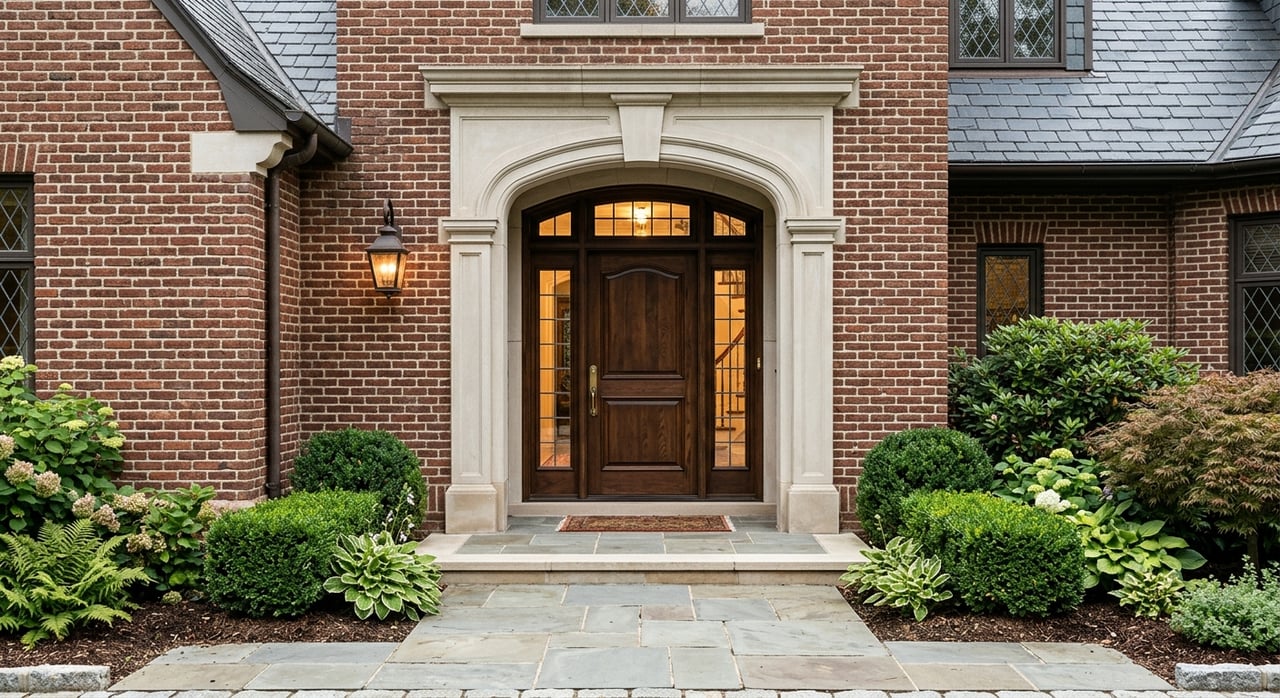
If you are selling an estate home in Greenspring Valley, you are not just putting a house on the market. You are presenting a property with land, setting, history, and a story that buyers may not find anywhere else in Baltimore County. The right approach can help you protect value, attract qualified interest, and navigate the details that often come with legacy properties. Let’s dive in.
Why Greenspring Valley Is Different
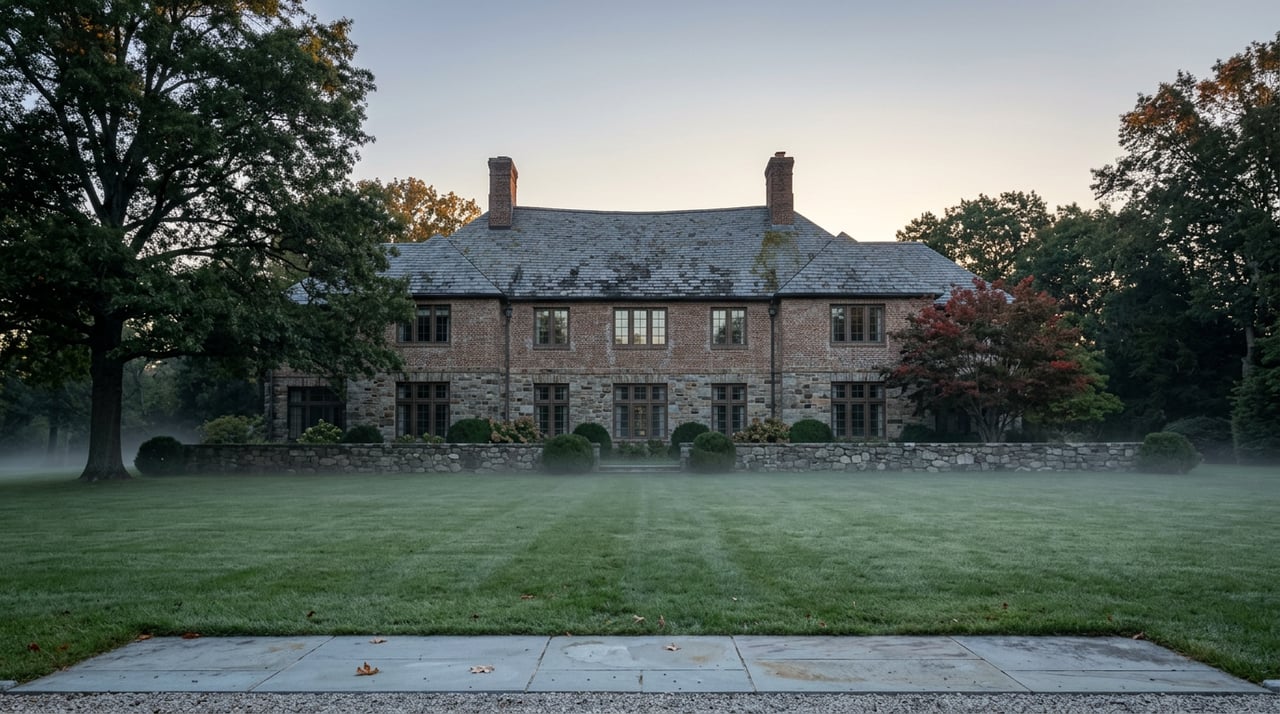
Greenspring Valley is a distinct estate submarket, not a typical suburban resale area. The Maryland Historical Trust describes the Green Spring Valley Historic District as a primarily rural landscape with historic agricultural roots and country houses developed by prosperous Baltimore residents.
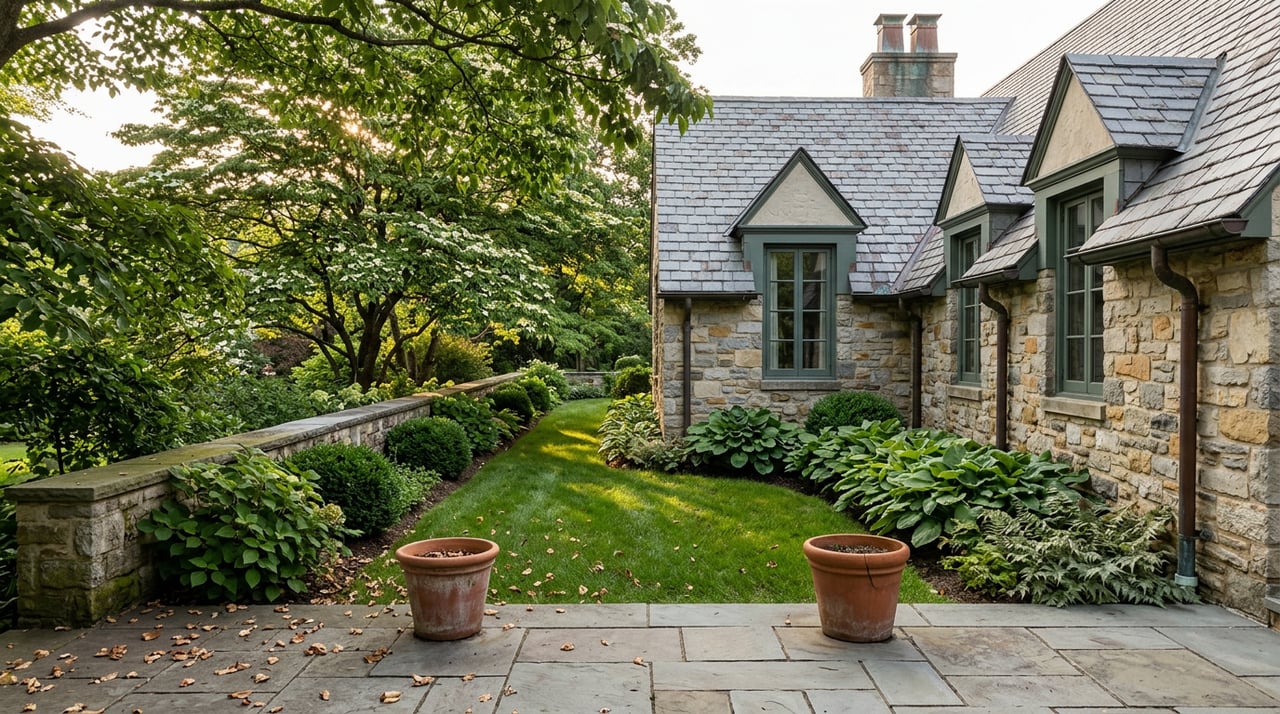
That setting matters when you sell. Large lots, mature trees, long drives, and a park-like feel are not just backdrop features. They are a meaningful part of what many buyers are paying for.
The Valleys Planning Council also highlights the area’s preserved scenic land, estate homes, and proximity to Baltimore. For many buyers, the value of a Greenspring property comes from the combination of privacy, acreage, architecture, and access.
Understand the Buyer for Estate Homes
Your likely buyer is not shopping the same way as a typical countywide buyer. Estate properties in Greenspring Valley sit far above broader Baltimore County pricing benchmarks, where county home values and sale prices are much lower than the luxury estate segment.
That is why your home should be positioned as part of a specific luxury niche. Comparing it to broad county averages can miss the real drivers of value, such as land, architectural character, outbuildings, privacy, and overall setting.
Current buyer data also helps shape the target audience. NAR affordability research shows that households earning $200,000 or more can afford a large share of available listings, while NAR’s generational report points to higher-income repeat buyers, Gen X buyers, and multi-generational households as important segments in today’s market.
For your estate sale, that often means marketing to:
- Move-up buyers seeking more land and privacy
- Multi-generational buyers who need space and flexibility
- Affluent downsizers who still want quality and setting
- Relocating buyers who value a polished digital presentation
Start With Historic and Property Diligence
Before you think about photography or pricing, it is smart to confirm exactly what you are selling from a legal and planning standpoint. Some Greenspring properties may be landmarks, part of a historic district, or subject to a Historic Environmental Setting.
According to Baltimore County’s historic preservation guidance, exterior changes and certain site improvements may require approval. That can include items like fences, pools, driveways, grading, or sheds.
This does not mean your property is harder to sell. It means buyers need clear information, and your listing package should be prepared carefully. If the home has historic designation, conservation easements, or preservation-related limitations, those details should be understood early.
You may also want to review whether the property could relate to any tax credit programs. The Maryland homeowner historic tax credit program may apply to eligible rehabilitation work, but approval rules matter and work started before approval does not qualify.
Prepare the House and Grounds
Estate homes usually need a broader pre-listing review than standard homes. Buyers at this level often look closely at major systems, long-term upkeep, and how well the property has been maintained over time.
That review may include:
- Roof condition
- Heating and cooling systems
- Windows and doors
- Exterior finishes
- Drainage
- Long driveways and parking areas
- Fencing and gates
- Outbuildings
- Mature landscaping and tree health
This step matters because buyers often care about both beauty and practicality. NAR reports that heating and cooling costs and windows, doors, and siding are among the environmental features buyers pay attention to.
In a property with scale, deferred maintenance can feel larger than it would in a smaller home. Addressing key issues before launch can improve confidence and support stronger pricing.
Staging Matters More Than You Think
In Greenspring Valley, presentation should help buyers understand both the architecture and the lifestyle. A design-led approach can make a large or long-held estate feel current, intentional, and easy to picture as a future home.
That is especially important because many estate sellers have owned their homes for years. NAR reports that sellers typically lived in their homes for 10 years before selling, and Older Boomers averaged 16 years, which helps explain why these homes often carry both emotional history and presentation challenges.
Strategic staging can solve that. In NAR’s 2025 staging profile, 83% of buyers’ agents said staging made it easier for buyers to visualize a property as a future home.
For estate properties, the most important areas often include:
- Living room
- Primary bedroom
- Dining room
- Entry sequence
- Outdoor entertaining spaces
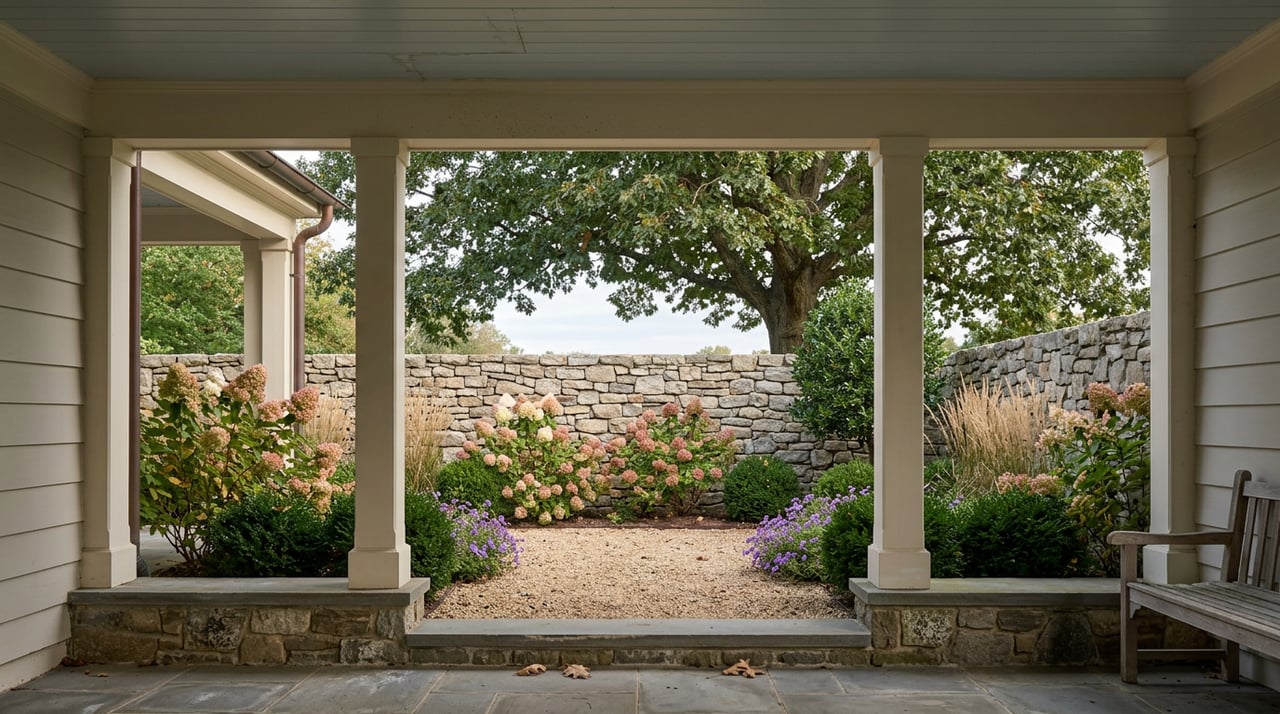
Landscape presentation matters too. NAR’s luxury guidance notes that yard upgrades can recover 100% of their cost, which is especially relevant when your home’s appeal begins at the gate, the drive, and the approach.
Price Within the Estate Market
Pricing an estate home in Greenspring Valley is not about plugging county averages into a formula. It requires a narrower lens and a more disciplined understanding of comparable estate sales in the immediate corridor.
According to NAR’s housing market research, buyers purchase within specific metro areas and neighborhoods, which means pricing should reflect the local context that matters most. In Greenspring Valley, that includes privacy, acreage, condition, architecture, outbuildings, and any restrictions that could affect future changes.
The property narrative also plays a role. A well-maintained historic estate with a compelling setting and clear documentation can be easier for buyers to understand and value than a similar home with unanswered questions.
Getting pricing right at the start is important. NAR’s 2025 seller data shows that 36% of sellers reduced their asking price at least once, while the median final sales price for recently sold homes was 100% of final list price. Strong preparation and realistic positioning can reduce the need for later corrections.
Market the Setting, Not Just the Rooms
In this part of Baltimore County, great marketing should do more than show square footage. It should communicate the full experience of the property.
That means your digital presentation needs to capture:
- The approach to the home
- The scale of the land
- The relationship between house and landscape
- Architectural details
- Natural light and room flow
- Outdoor living and entertaining potential
- Supporting structures and site features
This is especially important because buyers rely heavily on online search tools and images. NAR reports that agents are the most used information source in the home search, followed by mobile and tablet devices, and photos remain one of the most useful website features.
A luxury estate listing should never feel vague or under-documented. Buyers need enough visual and written detail to understand why the property is special before they ever schedule a showing.
Why MLS Exposure Still Matters
Even for a distinctive estate home, broad professional exposure remains essential. NAR reports that 88% of sellers listed on the MLS and 90% worked with a real estate agent.
For you, that means the baseline still matters. A strong MLS launch, supported by polished visuals and accurate property details, gives your home the best chance to reach qualified buyers, relocation audiences, and agents representing luxury clients.
In a market with a smaller buyer pool, reach and clarity are critical. The goal is not to attract everyone. It is to reach the right buyers and give them confidence in the opportunity.
A Thoughtful Strategy Creates Better Results
Selling an estate home in Greenspring Valley is part pricing exercise, part design exercise, and part storytelling. When the property has history, acreage, or preservation considerations, a thoughtful plan can make a meaningful difference in both buyer response and final outcome.
With the right preparation, you can present the home in a way that respects its character while also speaking clearly to today’s buyers. If you are thinking about selling in Greenspring Valley, Alisa Goldsmith Properties offers a design-forward, high-touch approach tailored to luxury and estate homes. Schedule a free consultation to talk through pricing, preparation, and marketing strategy.
FAQs
What makes selling an estate home in Greenspring Valley different from selling a typical Baltimore County home?
- Greenspring Valley is a distinct estate submarket where buyers often value land, privacy, architectural character, and setting as much as the house itself.
What should you review before listing a historic or legacy property in Greenspring Valley?
- You should confirm whether the property is in a historic district, designated as a landmark, or affected by a Historic Environmental Setting, conservation easement, or other restrictions that may affect improvements or buyer plans.
Why is staging important when selling a Greenspring Valley estate home?
- Staging helps buyers visualize how large, distinctive, or long-held homes can feel current and livable, especially in key rooms like the living room, primary bedroom, and dining room.
How should you price an estate home in Greenspring Valley?
- Pricing should be based on relevant estate comparables in the immediate area rather than countywide averages, with attention to land, condition, architecture, privacy, and any restrictions tied to the property.
What marketing works best for a Greenspring Valley estate listing?
- The strongest marketing typically combines MLS exposure with professional photography and a detailed digital presentation that shows the home’s setting, approach, landscape, and architectural details.
Can historic estate homes in Maryland qualify for tax credits?
- Some properties may relate to Maryland homeowner historic tax credit programs for eligible rehabilitation work, but program rules and approval timing matter.